Can You Wax Over Sensitive or Reactive Skin?

If you have sensitive, reactive, or condition-prone skin, you've probably wondered whether waxing is even an option for you. The short answer? For most people, yes, but the approach matters enormously. Whether you're dealing with rosacea, post-acne skin, eczema flare-ups, or general reactivity, waxing doesn't have to be off the table. It simply requires a more thoughtful, personalized process. This guide covers everything you need to know about preparing sensitive skin for facial and body waxing, including what to expect before, during, and after your service at Meraki Salon.
Understanding What "Sensitive Skin" Really Means in a Waxing Context
Sensitive skin isn't a single condition: it's an umbrella term that covers a wide range of skin types and responses. In a waxing context, sensitive skin typically refers to skin that flushes easily, reacts to products, takes longer to calm down after stimulation, or has an existing condition that affects the skin's protective barrier.
Common concerns that fall into this category include:
- Rosacea: A chronic condition that causes redness and visible blood vessels, often concentrated around the nose and cheeks. Heat and friction can temporarily intensify flushing.
- Eczema: Characterized by dry, itchy, and sometimes inflamed patches of skin that can be disrupted by harsh treatments.
- Post-acne or breakout-prone skin: Skin that is actively breaking out or recovering from breakouts may be more vulnerable to irritation.
- General reactivity: Some people simply have skin that responds strongly to products, temperature changes, or physical contact, even without a diagnosed condition.
Understanding your specific skin type helps your waxing specialist tailor the experience accordingly. This is why a thorough consultation at the start of your appointment is such an essential part of the process: it's not just a formality.
The Role of Patch Testing Before Facial Waxing
For anyone with sensitive or reactive skin, patch testing is one of the most important steps before committing to a full facial wax. A patch test involves applying a small amount of the wax formula to a discreet area, often behind the ear or on the inner wrist, and monitoring the skin's response over 24 to 48 hours.
This simple step helps identify whether you're reactive to the specific wax being used, whether it's a soft wax, hard wax, or a specialized formulation designed for delicate skin. Hard wax, in particular, is often the preferred choice for sensitive facial skin because it adheres to hair rather than skin, reducing the surface tension and overall irritation during removal.
At Meraki, the team takes patch testing seriously, especially for first-time clients or anyone coming in with a known skin concern. It's a small investment of time that makes a significant difference in your comfort and confidence going into the service.
It's also worth noting that mild redness after waxing is completely normal and expected. Most people experience some degree of post-wax flushing that resolves within a few hours. If redness or irritation lasts longer than 24 hours or seems to worsen progressively, it's a sign to check in with a skincare professional before your next appointment.
Pre-Wax Skin Preparation: What to Do (and Avoid) Beforehand
How you prepare your skin in the days leading up to your appointment plays a significant role in how well it tolerates waxing. For sensitive skin, this preparation phase is especially critical.
Do These Before Your Appointment
- Let hair grow to at least a quarter inch: Most specialists recommend allowing approximately two weeks of growth before waxing. Hair that's too short won't grip well, which can lead to multiple passes over the same area, and more irritation.
- Moisturize consistently in the days before: Hydrated skin is more supple and tends to respond better to waxing. Just avoid applying moisturizer on the day of your appointment.
- Stay out of the sun for 24 to 48 hours before your service: Sun-exposed skin is already in a sensitized state, and waxing over sunburned or wind-chapped skin is never recommended.
Avoid These Before Your Appointment
- Retinol, exfoliating acids (like AHAs and BHAs), and prescription topicals for at least 5 to 7 days before facial waxing: these thin the skin's surface and increase the risk of lifting or irritation.
- Exfoliating scrubs or facial brushes in the 48 hours leading up to your service.
- Active skincare treatments, chemical peels, or laser procedures within two to four weeks of your wax.
When in doubt, let your Meraki specialist know what's in your current skincare routine. They can help you time your appointment around any active treatments you're using.
How Meraki's Specialists Protect Sensitive Skin During Waxing
Working with a trained, experienced waxing specialist makes a meaningful difference when your skin is on the reactive side. At Meraki Salon, specialists are trained to adapt their technique based on what your skin needs, not a one-size-fits-all approach.
Here's what that looks like in practice:
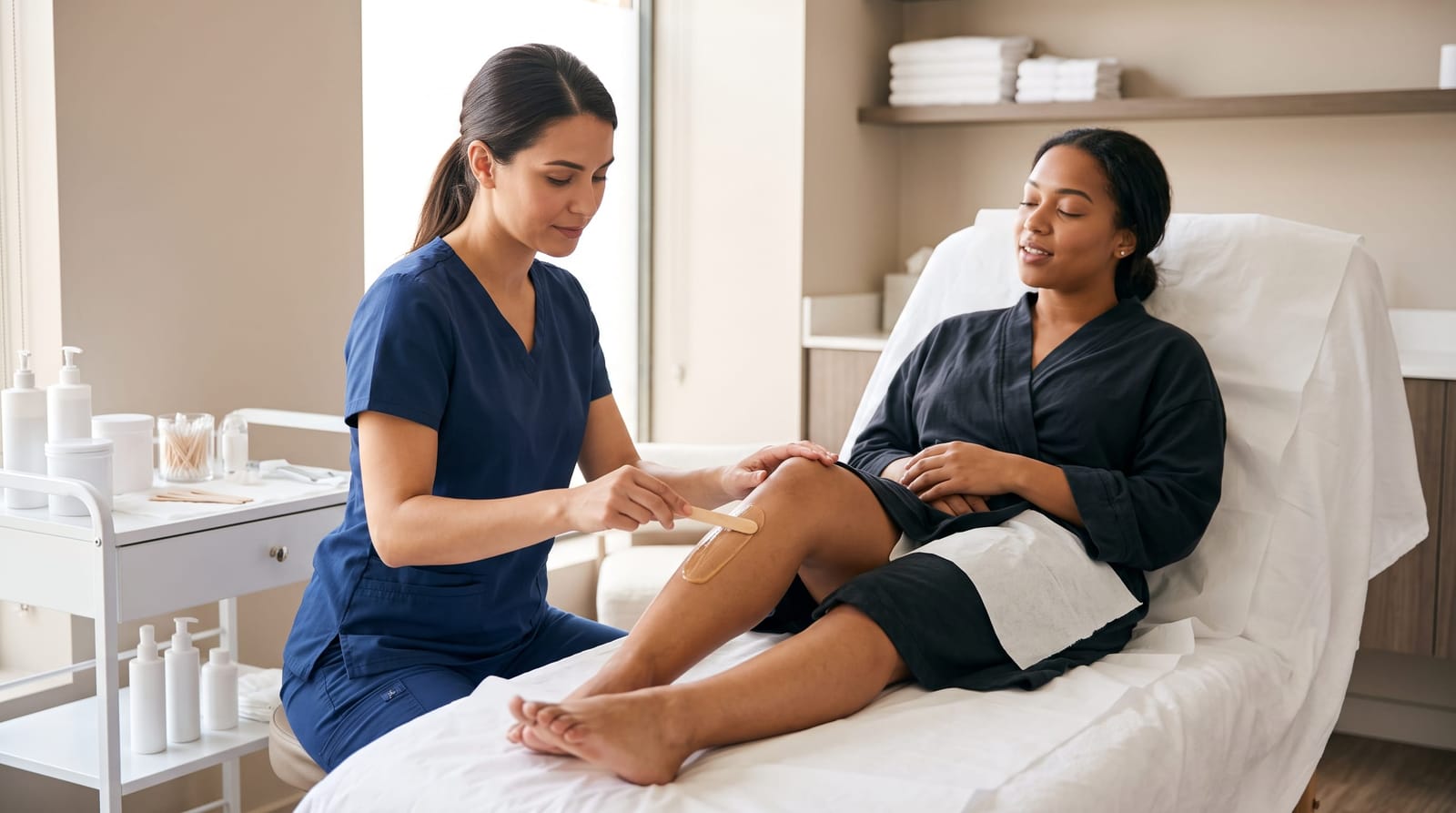
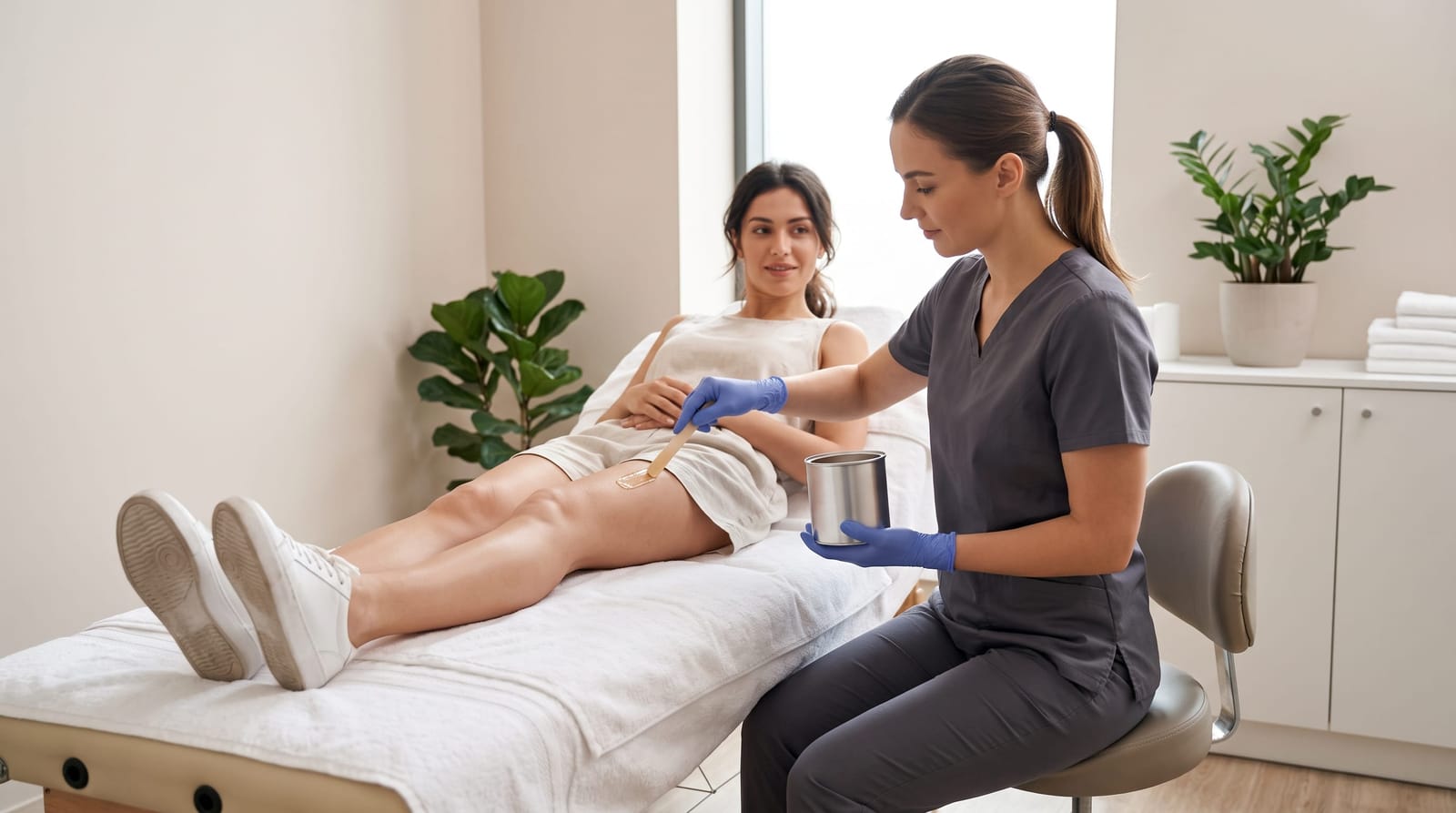
- Formula selection: Hard wax is typically chosen for sensitive facial areas. It clings to the hair, not the skin, and is gentler during removal. Some formulas also contain calming ingredients like chamomile or aloe.
- Temperature control: Wax that's too hot is a primary source of skin reactions. Specialists monitor wax temperature carefully and always do a touch test before application.
- Technique adjustments: Removing wax with controlled, swift motions, rather than slow or hesitant pulls, minimizes surface trauma and reduces the chance of prolonged redness.
- Post-wax soothing: After the service, a calming product is applied to close the follicle and reduce any immediate redness or warmth. This might include aloe vera gel, a post-wax lotion, or a targeted soothing serum.
If you're curious about how facial waxing timing compares across different service types, How Long Does a Facial Wax Take? offers a helpful breakdown of what to expect from start to finish, especially useful if you're planning your visit around a specific schedule.
What to Expect After Waxing With Sensitive Skin
Post-wax care is just as important as preparation, particularly when your skin leans reactive. After a facial wax, most people can expect:
- Mild redness or warmth for two to four hours: this is normal and not a cause for concern.
- Some people experience minor swelling around the follicles, which typically subsides within a few hours.
- Small, temporary bumps in the waxed area are common, especially for first-time clients or those with coarser hair.
To support your skin's recovery after a facial wax:
- Avoid touching or rubbing the waxed area for several hours.
- Skip makeup, heavy skincare products, and anything with fragrance for at least 24 hours.
- Stay out of steam rooms, saunas, and intense heat for 24 hours: open follicles are more vulnerable to bacteria and irritation during this window.
- Apply a gentle, fragrance-free moisturizer once the redness has calmed.
On the positive side, there's real incentive to stay consistent with your waxing routine: regular waxing over time can slow hair regrowth and lead to finer, softer regrowth, which also tends to be gentler on sensitive skin in subsequent sessions. Most clients enjoy smooth results for two to three weeks, with many rebooking around the three to four week mark when enough regrowth has occurred for another clean wax. For context on facial waxing duration, results typically last anywhere from two to six weeks depending on individual hair growth cycles, skin type, and the specific area treated.
If you're also exploring other facial hair removal options and wondering how waxing compares, Eyebrow Waxing vs. Threading vs. Tinting: What's Best for Your Brows? is a great resource for understanding the full range of choices available at Meraki.
Frequently Asked Questions
Can I get waxed if I have an active eczema flare-up?
It's best to wait until an active flare has fully settled before booking a wax. Waxing over broken, inflamed, or weeping skin is not recommended, as it can disrupt the skin's barrier and increase discomfort. Once your skin has calmed down and the affected area is no longer irritated, your Meraki specialist can assess the best approach for your service.
Is waxing safe if I have rosacea?
Many people with rosacea do wax successfully, but the approach needs to be tailored. Your specialist should know about your condition before beginning. Hard wax at a carefully monitored temperature, combined with calming post-wax products, can help minimize the temporary flushing that rosacea-prone skin may experience. Results vary by individual, and a patch test is strongly recommended.
How long before my wax should I stop using retinol?
Most waxing specialists recommend stopping retinol use at least five to seven days before a facial wax. Retinol accelerates cell turnover and thins the outer layer of the skin, which can make waxed areas more prone to sensitivity or minor skin lifting. When in doubt, mention any active skincare ingredients to your specialist at the start of your appointment.
What's the facial waxing duration for results: how long will smooth skin last?
Facial waxing duration for results typically ranges from two to six weeks, with most clients averaging two to three weeks of smooth skin before noticeable regrowth appears. Your individual hair growth cycle, the density of your hair, and how consistently you wax all play a role. Over time, regular waxing tends to extend the interval between sessions as regrowth becomes finer and slower.
Sensitive Skin and Waxing Can Coexist: With the Right Support
Having reactive skin doesn't mean waxing has to be an uncomfortable or risky experience. With proper preparation, the right product formulas, and a trained specialist who understands how to read and respond to your skin, waxing can absolutely be part of your regular beauty routine, even with eczema, rosacea, or post-acne concerns. At Meraki Salon, the goal is always a service that feels as good as it looks. If you've been hesitant because of your skin type, this is your invitation to have that conversation with a specialist and find an approach that works beautifully for you.