How to Prevent Ingrown Hairs After Waxing
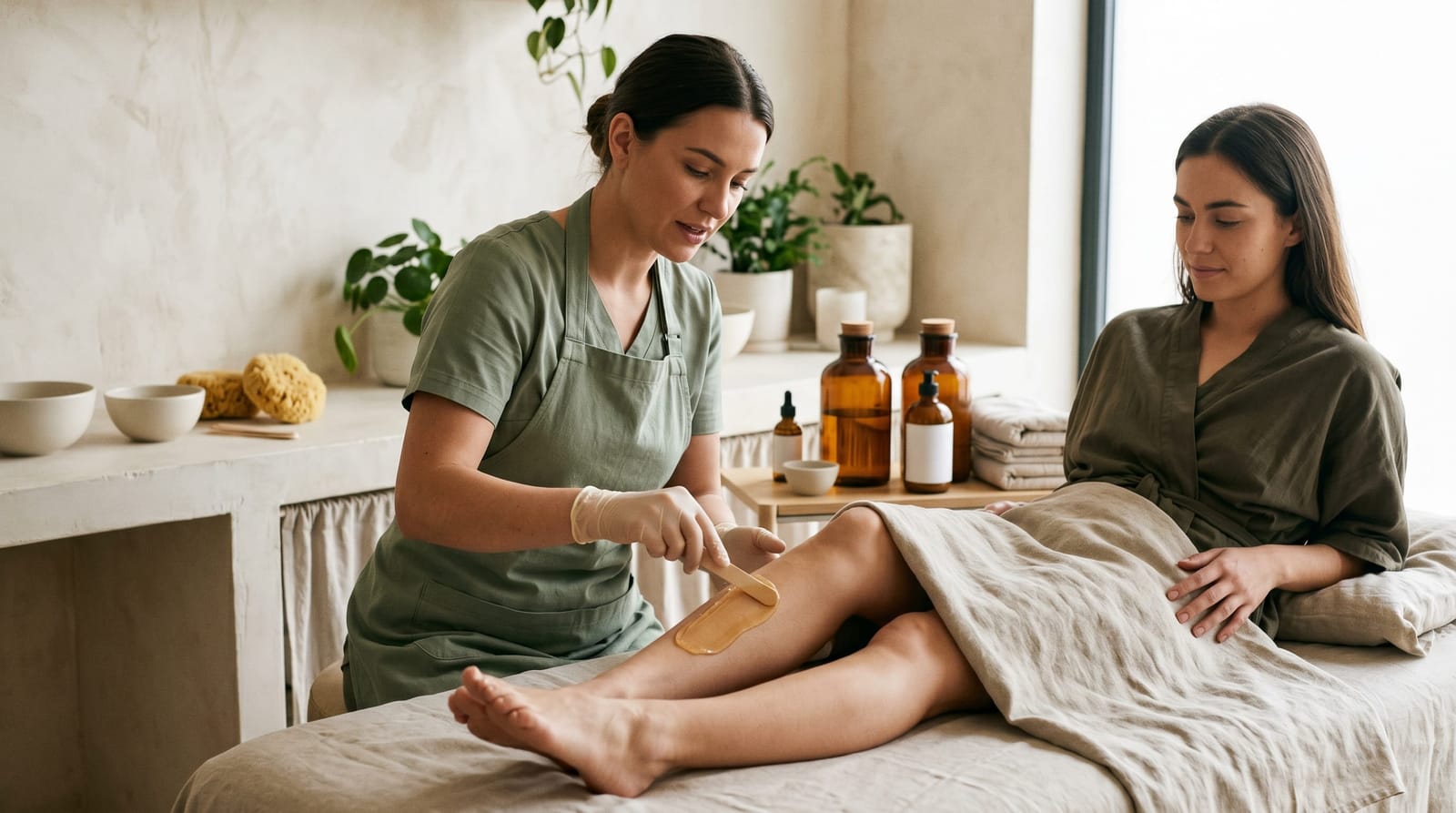
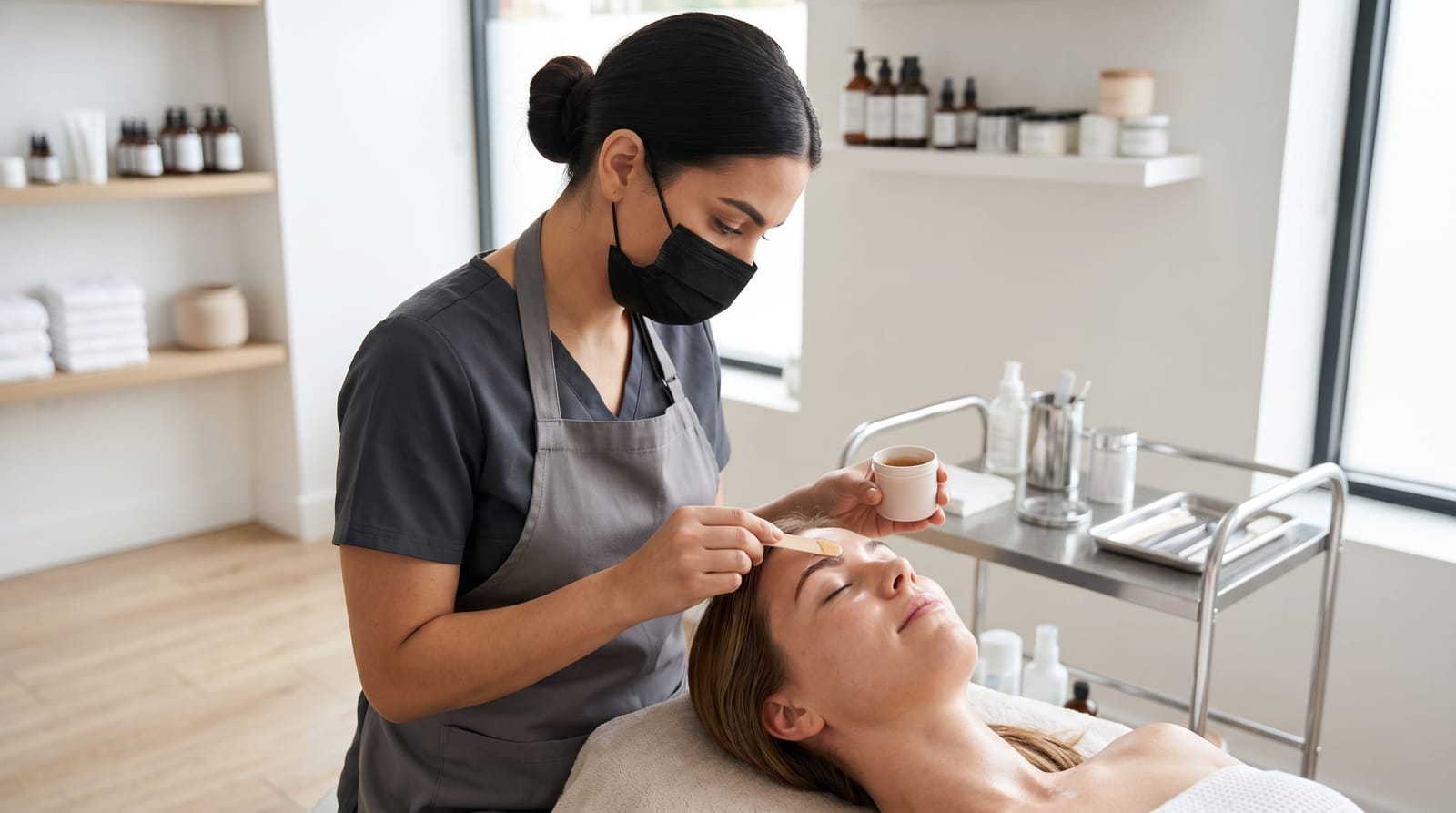
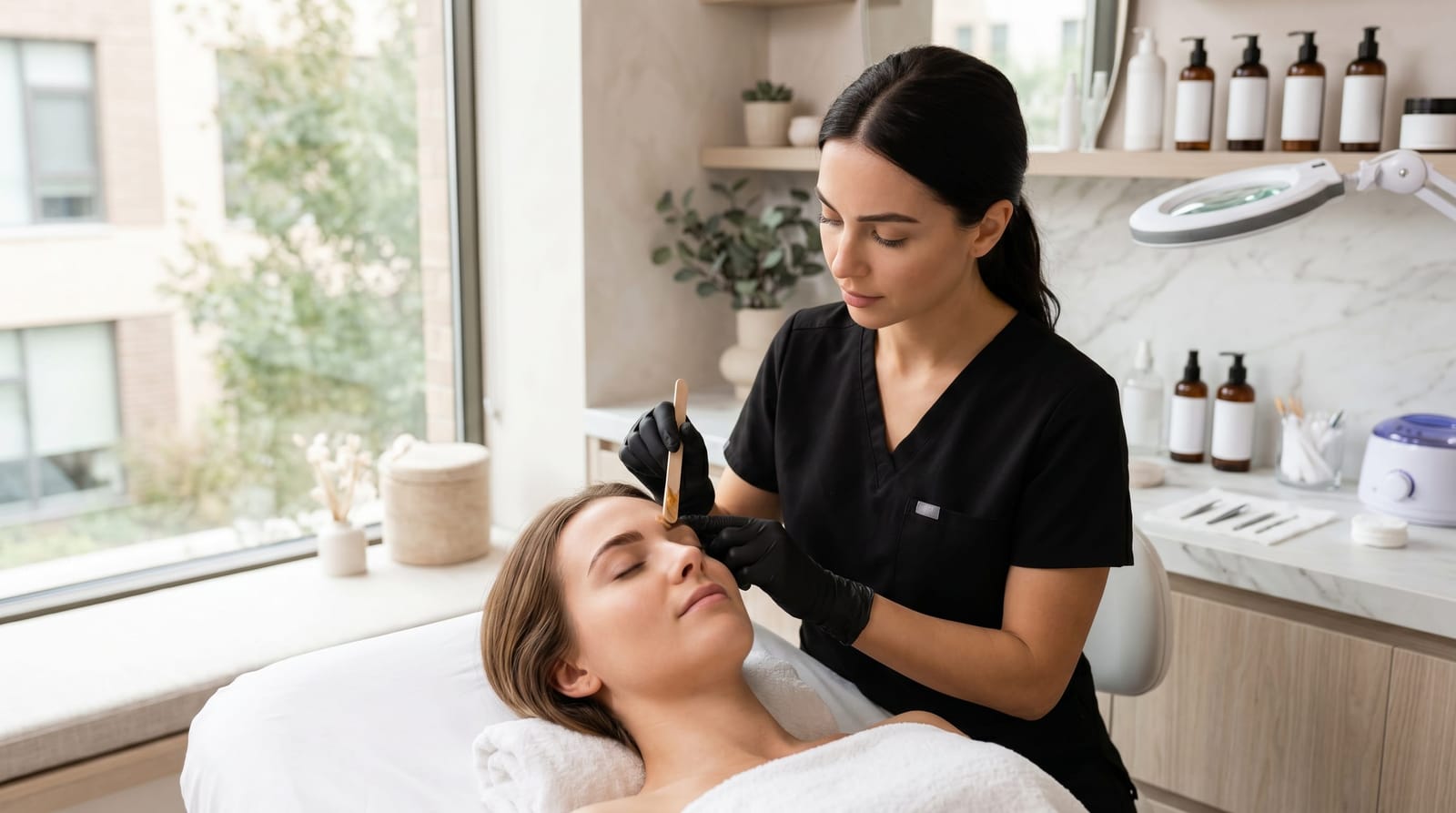
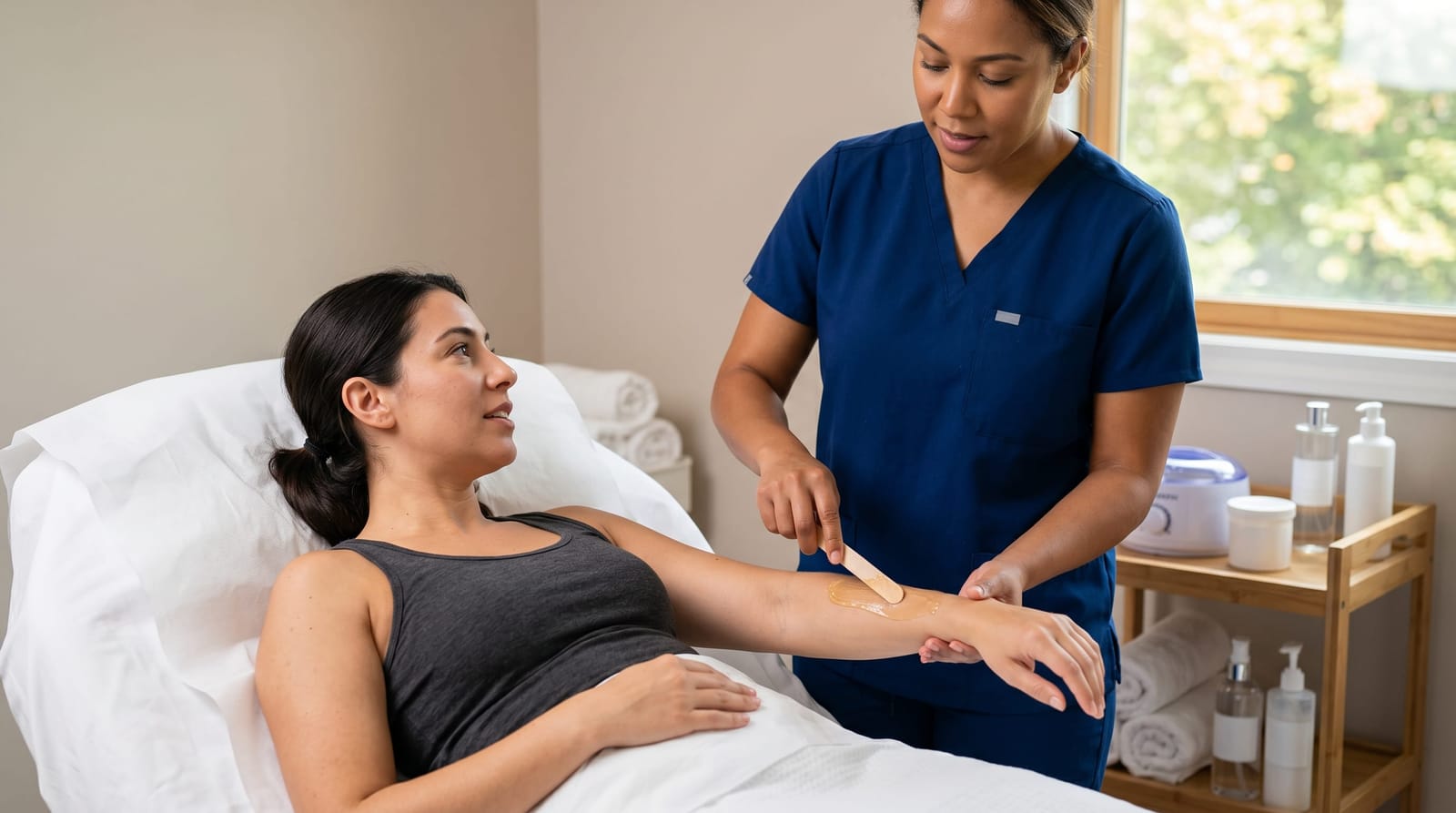
Ingrown hairs are one of the most common complaints clients bring up after a waxing appointment, and one of the most preventable. Whether you're getting your legs, bikini line, or underarms waxed, a few consistent habits can make a significant difference in how your skin heals and how smoothly your hair grows back. As part of our broader commitment to professional waxing services, this guide walks you through exactly how to prevent ingrown hairs after waxing, with specific routines, product tips, and advice for addressing existing ones.
Why Ingrown Hairs Happen After Waxing
Before you can prevent ingrown hairs, it helps to understand why they form in the first place. When hair is removed at the root, as it is during waxing, the new hair that grows back must break through the skin's surface. If that surface is clogged with dead skin cells, excess oil, or is simply too dry and tight, the hair can curl back inward rather than growing outward. This creates the classic red bump that can become inflamed or infected if left untreated.
Several factors increase your risk of developing ingrown hairs after waxing:
- Coarse or curly hair texture: Hair that curls naturally is more likely to curve back into the skin
- Dry or dehydrated skin: Tight, dry skin creates more resistance for emerging hairs
- Dead skin buildup: Accumulated skin cells block the hair follicle opening
- Tight clothing: Friction from snug fabrics pushes hairs back into follicles
- Shaving between wax appointments: This changes the hair's blunt tip, making it more likely to penetrate the skin sideways
Research suggests that up to 40% of people who wax regularly experience ingrown hairs at some point, but with the right aftercare routine, most of those cases are entirely preventable.
The Exfoliation Routine That Actually Works
Exfoliation is your single most effective tool to prevent ingrown hairs after waxing. By removing dead skin cells from the surface, you keep hair follicle openings clear so new hairs can emerge without obstruction. The key is timing it correctly: exfoliating too soon after your appointment can irritate freshly waxed skin.
When to Start Exfoliating
Wait at least 48 to 72 hours after your waxing appointment before introducing any exfoliation to the treated area. Your skin needs this window to calm down and close the follicles that were opened during the wax. Starting too early risks redness, irritation, and even breakouts.
How Often to Exfoliate
Once the initial healing period has passed, aim to exfoliate the waxed area 2 to 3 times per week. This frequency is enough to keep dead skin cell buildup from clogging follicles without over-stripping the skin's natural moisture barrier.
Best Exfoliation Methods
- Physical exfoliants: A soft body scrub or dry brush works well for legs and arms. Use gentle, circular motions and avoid aggressive scrubbing on sensitive areas like the bikini line
- Chemical exfoliants: Products containing glycolic acid or salicylic acid are particularly effective because they dissolve the bonds between dead skin cells rather than scrubbing them away. These are ideal for sensitive areas and tend to produce more consistent results
- Exfoliating gloves: A simple, affordable option for the shower that works on larger areas like legs and arms
Avoid using harsh scrubs with large, jagged particles on recently waxed or sensitive skin. The goal is gentle but consistent removal of dead cells, not aggressive abrasion.
Daily Moisturizing: The Step Most People Skip
Moisturizing daily after waxing is just as important as exfoliation, yet it's the step clients most often skip. Hydrated skin stays soft and pliable, which means emerging hairs encounter less resistance as they grow toward the surface. Dry, tight skin is significantly more likely to trap hairs beneath it.
Apply a fragrance-free, non-comedogenic moisturizer every day to waxed areas. "Non-comedogenic" means the formula won't clog pores: an important distinction when you're trying to keep follicles open. Heavily fragranced lotions or thick, pore-clogging body butters can actually work against you, even though they feel luxurious.
Look for moisturizers that include one or more of these beneficial ingredients:
- Aloe vera: Soothes post-wax inflammation while keeping skin hydrated
- Hyaluronic acid: Draws moisture into the skin without adding oil or blocking pores
- Ceramides: Strengthen the skin barrier and reduce sensitivity over time
- Tea tree oil (in small concentrations): Provides mild antibacterial benefits that can prevent infected ingrown hairs
Apply moisturizer morning and night to waxed areas, especially during drier months when indoor heating reduces ambient humidity. Consistently hydrated skin shows fewer ingrown hairs over time: many regular waxing clients report a noticeable improvement within just 4 to 6 weeks of daily moisturizing.
Lifestyle Habits That Reduce Ingrown Hairs
Your skincare products only do so much. The habits you maintain between appointments also play a measurable role in how your skin responds to waxing.
Wear Loose, Breathable Clothing After Your Appointment
For 24 to 48 hours after waxing, avoid tight waistbands, leggings, or underwear that creates friction against freshly waxed skin. Friction physically pushes emerging hairs back into follicles. Opt for loose cotton clothing that allows the skin to breathe. This is especially important after bikini or Brazilian waxing, where the skin is particularly sensitive.
Never Shave Between Wax Appointments
This is one of the most important rules in any professional waxing aftercare routine. Shaving cuts hair at a blunt, sharp angle that makes it far more likely to pierce the side of the follicle wall as it regrows. It also disrupts your hair growth cycle, making each future waxing appointment less effective. Commit fully to waxing on a consistent 4 to 6 week schedule and let the hair grow out naturally between sessions.
Stay Hydrated From the Inside Out
Drinking enough water, at least 8 glasses per day, supports overall skin elasticity and hydration. Well-hydrated skin is more supple and less likely to create the tight, resistant surface that traps ingrown hairs.
How to Treat Existing Ingrown Hairs
Even with a solid prevention routine, the occasional ingrown hair can still appear. Here's how to address them safely without making things worse.
- Apply a warm compress: Hold a warm, damp cloth against the area for 5 to 10 minutes to soften the skin and encourage the hair to surface on its own
- Use a targeted ingrown hair treatment: Products containing salicylic acid or glycolic acid applied directly to the bump can dissolve the skin barrier trapping the hair within a few days
- Gently exfoliate the area: Once the compress has softened the skin, light exfoliation can help free the trapped hair
- Do not pick or squeeze: This pushes bacteria deeper into the follicle, significantly increasing the risk of infection and scarring
- See a professional if the bump becomes infected: Signs of infection include increasing redness, warmth, swelling, or pus. A dermatologist or licensed esthetician can address this safely
Ingrown hair treatment kits that combine an exfoliating serum with a soothing lotion are particularly effective when used consistently as part of your between-appointment routine.
Frequently Asked Questions
How long after waxing can I start exfoliating?
Wait at least 48 to 72 hours after your waxing appointment before exfoliating the treated area. Your skin needs this initial period to calm down and for the hair follicles to close. Exfoliating too early can cause redness, irritation, or breakouts on recently waxed skin.
Can I use coconut oil to prevent ingrown hairs after waxing?
Coconut oil is best avoided on recently waxed areas, particularly the bikini line or face, because it has a comedogenic rating that can clog pores and hair follicles, which is the opposite of what you want. Stick to non-comedogenic moisturizers with lightweight ingredients like hyaluronic acid or aloe vera for the best results.
Why do I keep getting ingrown hairs even when I exfoliate?
If ingrown hairs persist despite regular exfoliation, the cause may be dry skin, tight clothing, or shaving between appointments. Try adding a daily moisturizer to your routine, switching to looser clothing after waxing, and committing to a consistent 4 to 6 week waxing schedule without shaving in between. Switching from physical to chemical exfoliation (glycolic or salicylic acid) can also make a significant difference for stubborn cases.
Does getting waxed regularly reduce ingrown hairs over time?
Yes: consistent waxing over several months can actually reduce ingrown hairs over time. Regular waxing weakens the hair follicle, causing hair to grow back finer and softer. Finer hair is much less likely to curl back into the skin. Most clients who maintain a regular waxing schedule and follow proper aftercare report fewer ingrown hairs after 3 to 4 months of consistent appointments.
Conclusion
Learning how to prevent ingrown hairs after waxing comes down to three consistent habits: exfoliating 2 to 3 times per week starting 72 hours post-appointment, moisturizing daily with a non-comedogenic product, and avoiding shaving between sessions. Small lifestyle adjustments, like wearing loose clothing after your appointment and staying hydrated, add up over time. If you're ready to experience professional waxing with personalized aftercare guidance, our team at Meraki in Westfield, NJ is here to help you get smooth, healthy results every time.