How to Strengthen Damaged Nails: Professional and At-Home Solutions

If your nails are peeling, breaking, or feeling thin and fragile, you are not alone, and the good news is that most nail damage is reversible with the right care. As part of a broader approach to nail health (covered in our complete guide to nail health and salon services in NJ), strengthening damaged nails requires understanding what caused the damage in the first place. Whether the culprit is frequent gel services, improper removal, dehydration, or simply lifestyle habits that your nails are trying to keep up with, there are both professional treatments and at-home routines that can restore strength and resilience. In this guide, we walk through exactly how to strengthen damaged nails step by step, from identifying the cause to building a sustainable nail care routine.
Step 1: Understand What Is Actually Weakening Your Nails
Before you can strengthen damaged nails, it helps to know what you are working against. Nail damage does not usually happen overnight: it is typically the result of repeated habits or product use that gradually strips the nail of moisture and structure.
Common Causes of Nail Damage
- Gel overuse without breaks: Gel manicures are long-lasting and beautiful, but back-to-back gel applications without recovery time can leave nails feeling thin and dehydrated over time. Studies and nail care professionals consistently recommend giving nails at least a 1-2 week break between gel services every few months.
- Improper removal: Peeling or picking off gel or shellac polish is one of the most common causes of nail damage. When polish is not soaked off properly, it takes layers of the actual nail plate with it, often leaving a rough, uneven surface.
- Harsh chemical exposure: Household cleaning products, acetone-heavy removers, and even excessive hand washing without moisturizing afterward all contribute to dehydration of both the nail and surrounding skin.
- Nutritional factors: Nails are made of keratin, a protein that depends on nutrients like biotin, iron, and zinc to form properly. A diet lacking in these can result in brittle, slow-growing nails. Research suggests that biotin supplementation may help in some cases, though it is always best to speak with a healthcare provider before starting any supplement.
- Mechanical trauma: Using nails as tools, opening packages, scraping surfaces, creates micro-fractures that weaken the nail structure over time.
Identifying which of these applies to your situation helps you address the root cause, not just the symptoms. Most clients dealing with weakened nails are experiencing a combination of two or more of these factors simultaneously.
Step 2: Give Your Nails a Structured Recovery Period
Strengthening damaged nails is not an overnight process. On average, fingernails grow approximately 3 millimeters per month, which means it can take 3 to 6 months to fully grow out damaged nail and replace it with healthy new growth. That timeline should feel encouraging rather than discouraging: it means every step you take right now is already working.
What a Recovery Period Looks Like
A nail recovery period does not mean abandoning all nail polish or skipping your salon visits. It simply means being intentional about what goes on your nails and giving them proper support during this time. Here is what a structured recovery approach generally includes:
- Take a temporary break from gel or acrylics if your nails are visibly thin, peeling, or splitting. Even 2 to 4 weeks without a long-wear product can make a noticeable difference in moisture retention.
- Switch to a breathable or non-toxic polish if you want color without added stress. Regular polish, especially formulas free of formaldehyde, toluene, and DBP, allows more oxygen to reach the nail plate.
- Keep nails shorter during recovery. Shorter nails are less prone to snagging and breaking, which gives the new growth underneath a better chance to develop without interruption.
- Be patient and consistent. Recovery routines only work when maintained daily, not sporadically. Setting a simple morning or evening habit, cuticle oil application, gentle moisturizer, makes the biggest difference over time.
This is also a great time to explore your nail finish options more thoughtfully. Understanding the difference between Shellac vs regular polish can help you make smarter choices about which products put the least amount of stress on already-sensitive nails going forward.
Step 3: Build a Daily At-Home Moisturizing Routine
Hydration is the single most important thing you can do at home to strengthen damaged nails. Nails are porous, which means they absorb and lose moisture just like skin does, and dehydrated nails are brittle, inflexible nails.
The At-Home Routine That Actually Works
Leading nail care experts consistently emphasize the following daily habits for nails in recovery:
- Apply cuticle oil at least once daily, ideally twice: once in the morning and once before bed. Look for oils formulated with jojoba, vitamin E, or almond oil, which absorb easily and deeply hydrate both the nail plate and surrounding skin. One expert recommendation is to apply cuticle oil every single day and treat it the way you would a skincare serum, not optional, just part of the routine.
- Use a nail strengthener 1 to 2 times per week. Nail strengtheners work by temporarily binding loose nail layers together and creating a protective surface. They are most effective when used consistently over 4 to 6 weeks rather than just occasionally. Look for formulas that contain keratin, calcium, or hydrolyzed proteins.
- Moisturize your hands immediately after washing them. Water itself does not moisturize, in fact, repeated wetting and drying strips natural oils. A lightweight hand cream or lotion applied right after drying your hands makes a significant difference in overall nail hydration.
- Wear gloves when cleaning. Exposure to household cleaning products, even dish soap used daily, is a leading contributor to ongoing nail dehydration. A simple pair of rubber gloves protects your recovery progress effortlessly.
Learning to care for your cuticles between salon appointments is a detailed topic on its own. For more specific guidance, check out our post on how to strengthen damaged nails through daily cuticle care: it covers product application techniques, what to avoid, and how to maintain results between visits.
Step 4: Support Your Nails From the Inside Out
While topical treatments address what is happening at the surface, what you eat and how you nourish your body directly affects the quality of nail growth you will see over the coming months. Nails are living structures, and they respond to overall wellness.
Nutritional Support for Stronger Nails
A few key nutrients play a particularly important role in nail strength and growth rate:
- Protein: Since nails are made of keratin: a form of protein: diets low in protein often show up as slow nail growth or increased brittleness. Including adequate lean protein (poultry, legumes, eggs, fish) supports healthy nail formation.
- Biotin (Vitamin B7): Biotin is one of the most commonly recommended nutrients for nail strength. Some small studies suggest biotin supplementation can improve nail thickness in individuals with brittle nails. Always check with a healthcare provider before adding supplements to your routine.
- Iron and Zinc: Deficiencies in both iron and zinc are associated with nail changes including ridging, pallor, and brittleness. A balanced diet rich in leafy greens, seeds, legumes, and whole grains supports healthy levels of both.
- Hydration: General water intake affects nail hydration as much as topical products. Aiming for adequate daily fluid intake is one of the simplest, most overlooked factors in nail health.
This information is general and educational: always consult with a qualified healthcare provider if you have specific questions about nutritional needs or supplementation for your individual situation.
Step 5: Invest in Professional Treatments That Accelerate Results
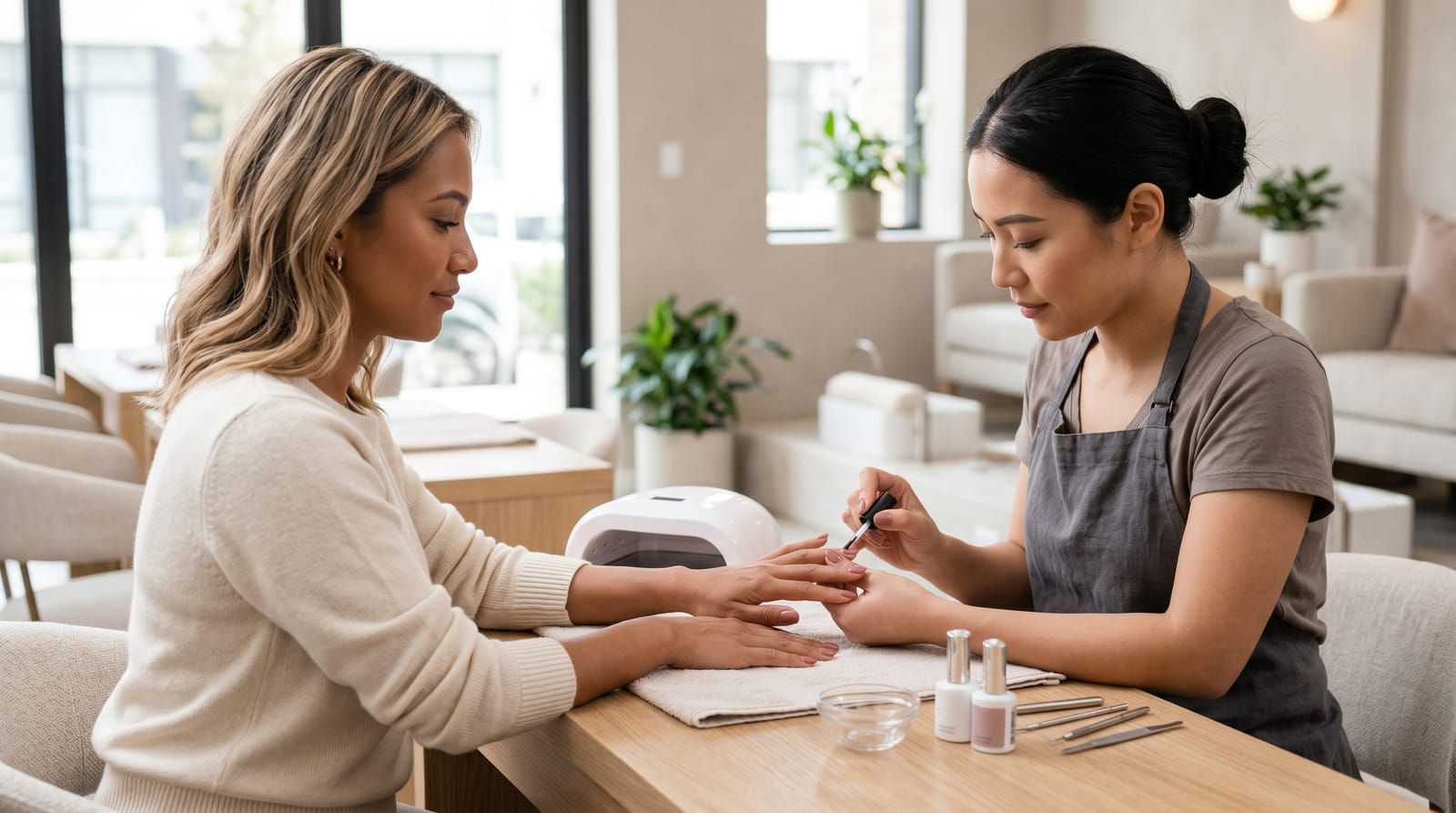
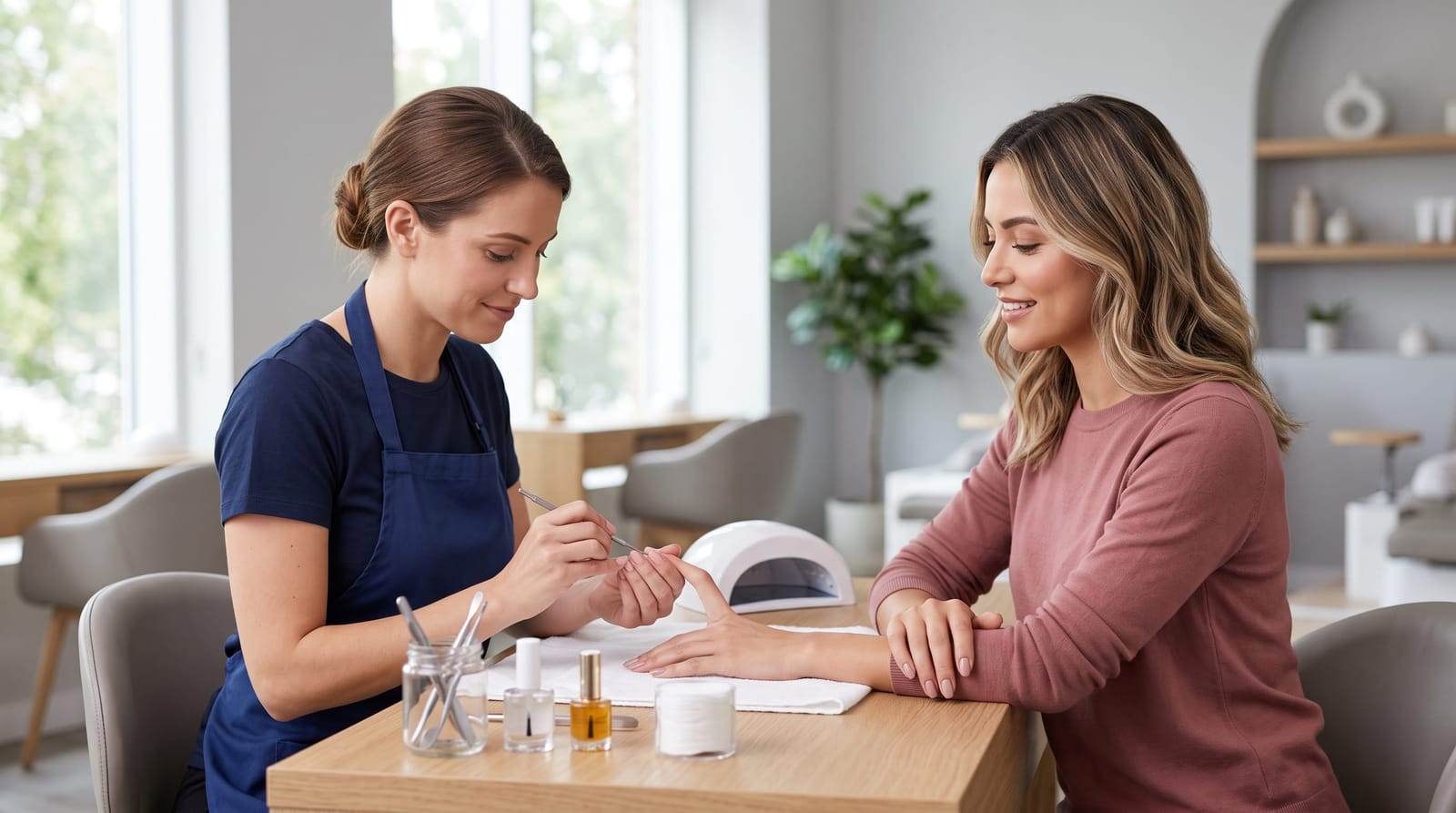
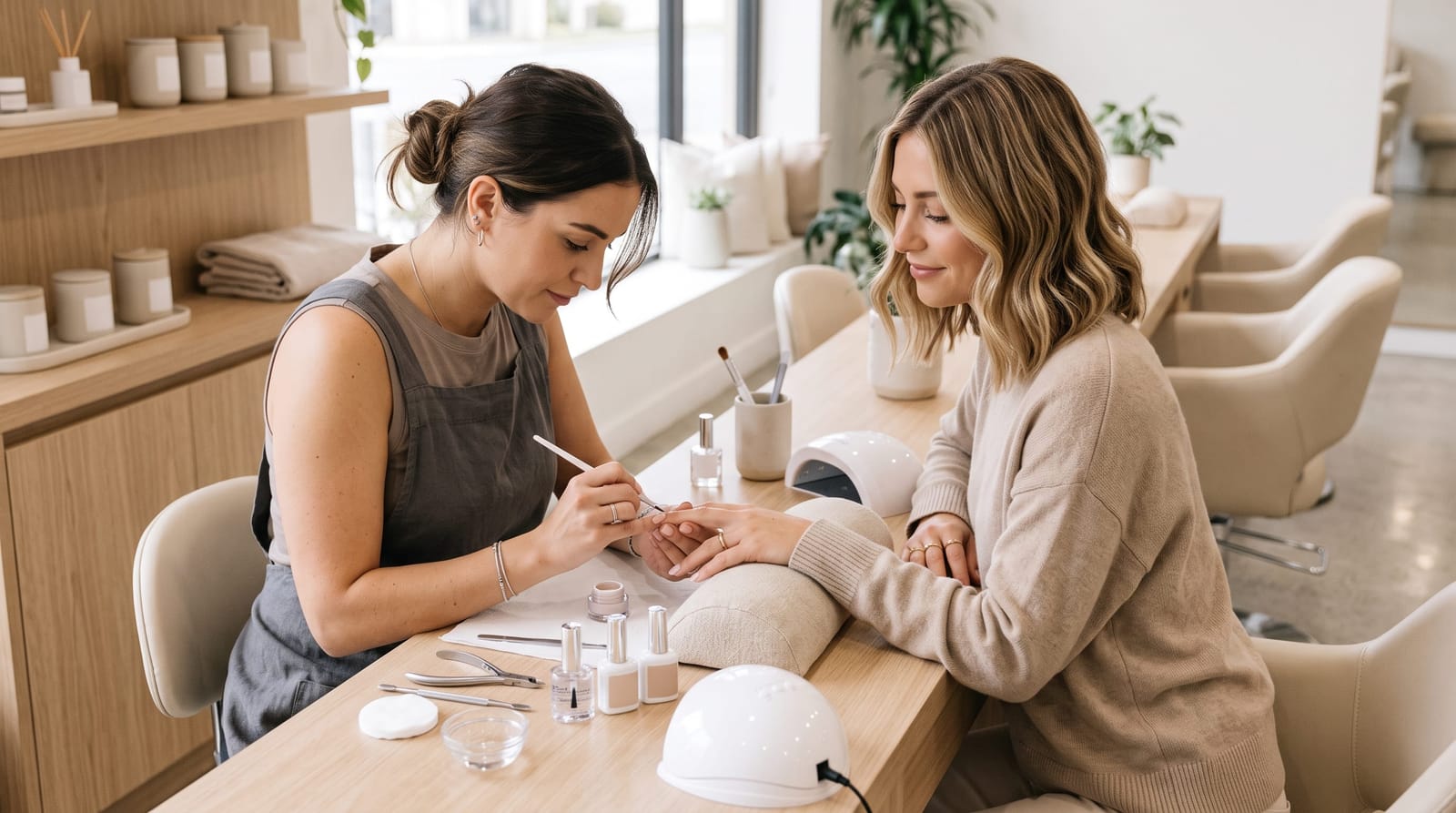
At-home care is powerful, but professional nail treatments provide a level of support and precision that is difficult to replicate on your own. At Meraki Salon, our nail services include hydrating cuticle treatments designed to restore moisture balance and gently condition the nail and surrounding skin: particularly beneficial for clients who are in a nail recovery phase or who have experienced thinning from long-term gel use.
What Professional Nail Care Adds to Your Routine
- Expert product application: A trained nail technician applies treatment products correctly, at the right thickness, in the right layers, ensuring your nails get the full benefit without over-loading the nail plate.
- Proper shaping and buffing techniques: Incorrect filing direction (always file in one direction, not back and forth) causes micro-tears. Professional shaping eliminates this issue entirely.
- Hydrating cuticle treatments: Professional cuticle conditioning treatments soften and nourish the cuticle area more deeply than daily oil application alone, especially when combined with gentle steaming or soaking.
- Safe removal every time: One of the most impactful things a salon can do for nail health is perform proper, careful removal of any previous product. This alone prevents the most common cause of repeated nail damage.
If you enjoy nail color between recovery periods, our team can recommend the most nail-friendly finish for your current condition. You might also enjoy exploring modern French manicure ideas: a classic look that works beautifully with strengthening base coats and shorter, healthier nail lengths.
For clients who want to extend their nail care into a full self-care experience, a spa pedicure services appointment is a wonderful complement: giving toenails the same professional hydration and conditioning attention that your fingernails receive.
Related Details: Going Deeper on Nail Recovery
This guide covers the foundational approach to strengthening damaged nails, but there are specific aspects of nail care that deserve a closer look as you build your routine:
- Cuticle care between appointments: The cuticle acts as a protective seal for the nail, and neglecting it, or handling it too aggressively at home, directly affects nail health. Our detailed guide on cuticle care between manicure appointments covers exactly how to maintain this area without causing additional irritation.
- Choosing the right nail finish during recovery: Not all polishes and topcoats are created equal when nails are in a vulnerable state. Understanding product ingredients and formulas helps you make selections that protect rather than prolong damage.
Conclusion: Strong, Healthy Nails Are Achievable: One Step at a Time
Strengthening damaged nails is a process, not a quick fix, but it is absolutely achievable when you combine the right daily habits with thoughtful professional care. From moisturizing consistently and using a nail strengthener 1 to 2 times per week, to supporting nail growth through nutrition and choosing salon services that prioritize nail health, every step builds on the last. The most important thing is to start, stay consistent, and give your nails the recovery time they need. At Meraki Salon in NJ, our team is here to guide you through that process with treatments designed to restore, protect, and celebrate the nails you have. Book your nail health treatment today and let us help you get started.