Is Lived-In Color the Same as Balayage? What NJ Clients Should Know
If you've spent any time scrolling through hair inspiration photos or chatting with friends about color appointments, you've probably noticed that "balayage," "lived-in color," and "ombré" tend to get used as if they mean the same thing. They don't, and understanding the difference can genuinely change the way you approach your next color service. Whether you're a natural brunette looking for something effortless, or you're simply trying to communicate clearly with your colorist, this guide will walk you through what each term actually means and help you figure out which one fits your lifestyle best.
What Is Balayage, Really?
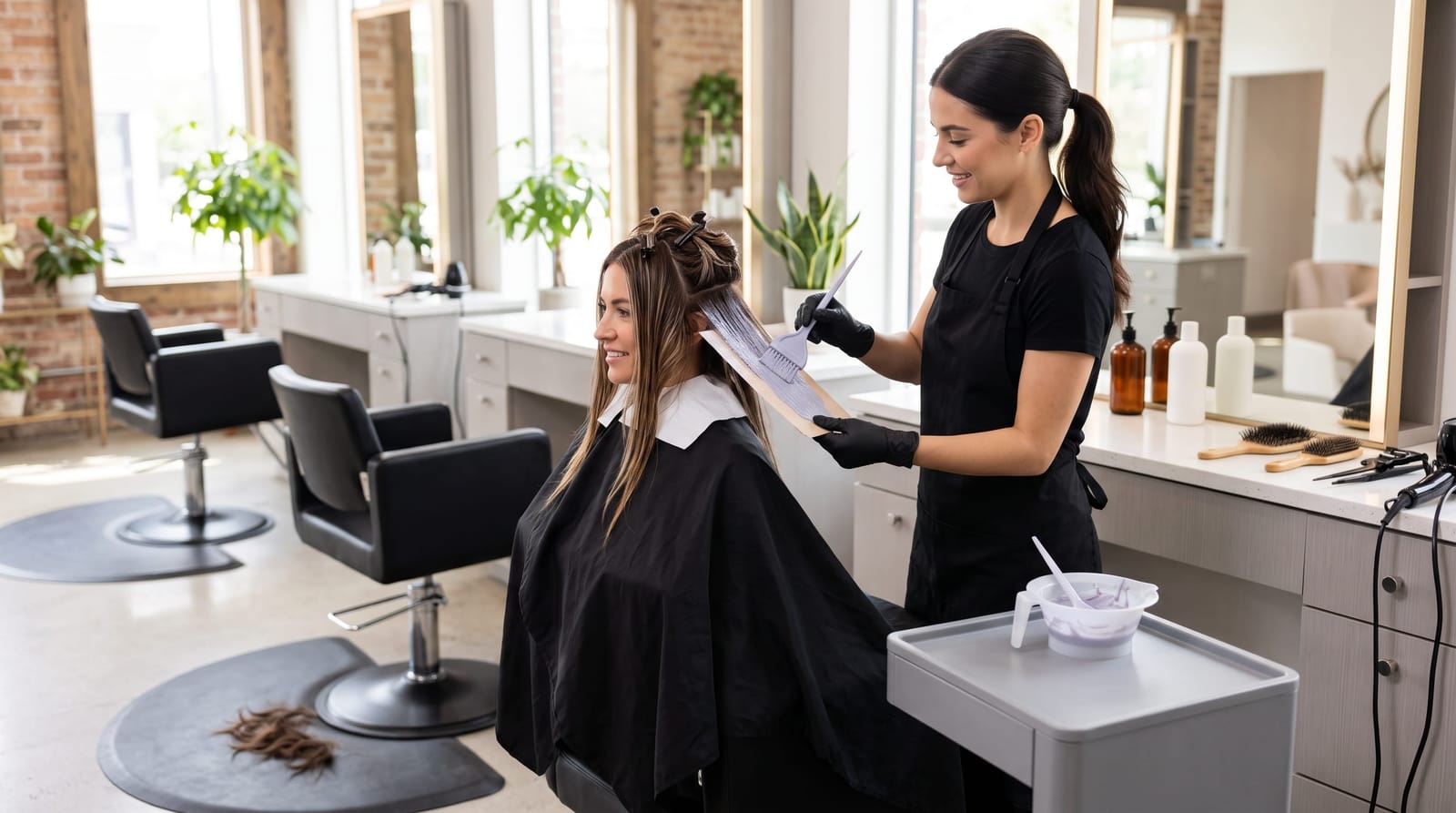
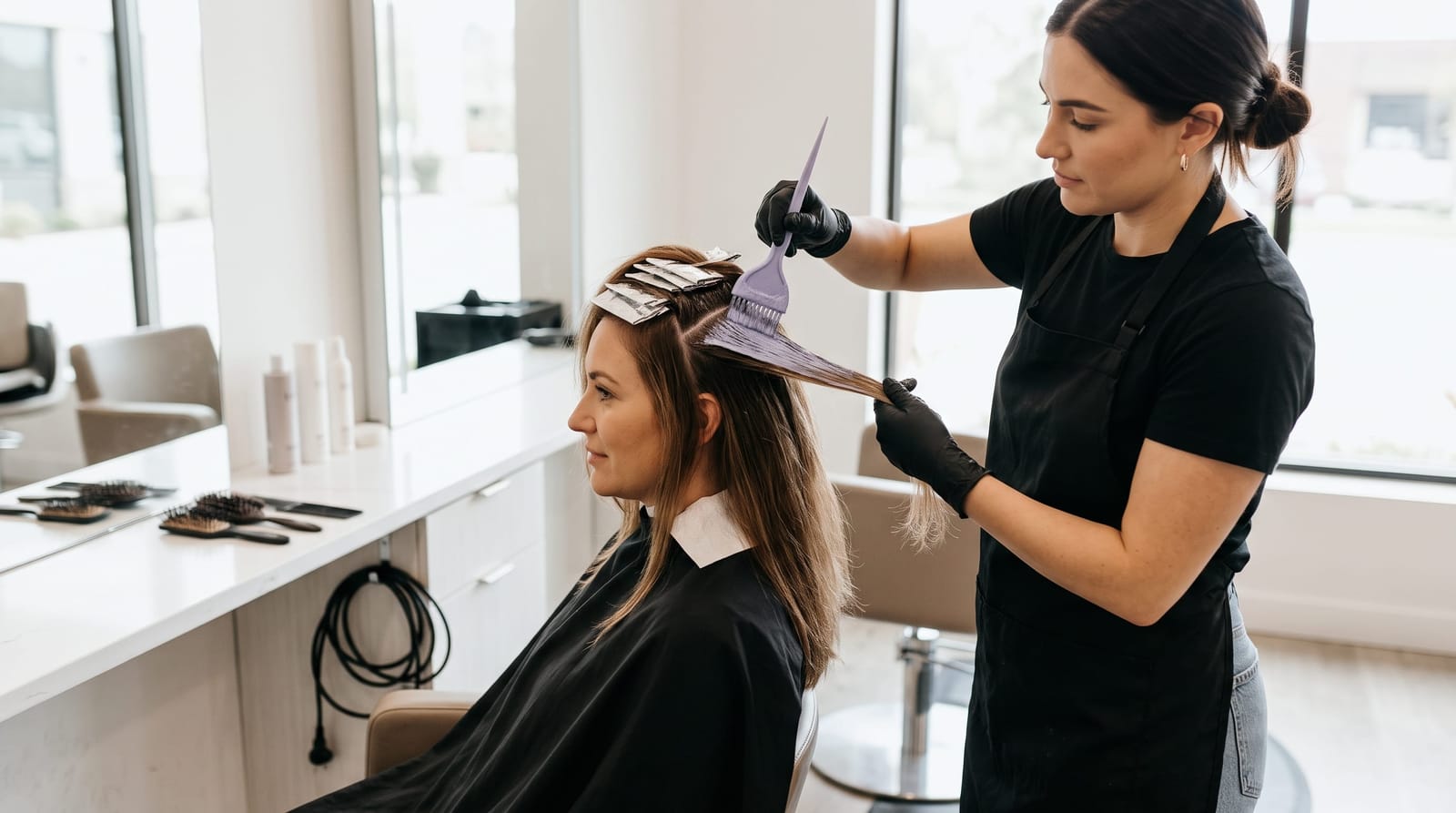
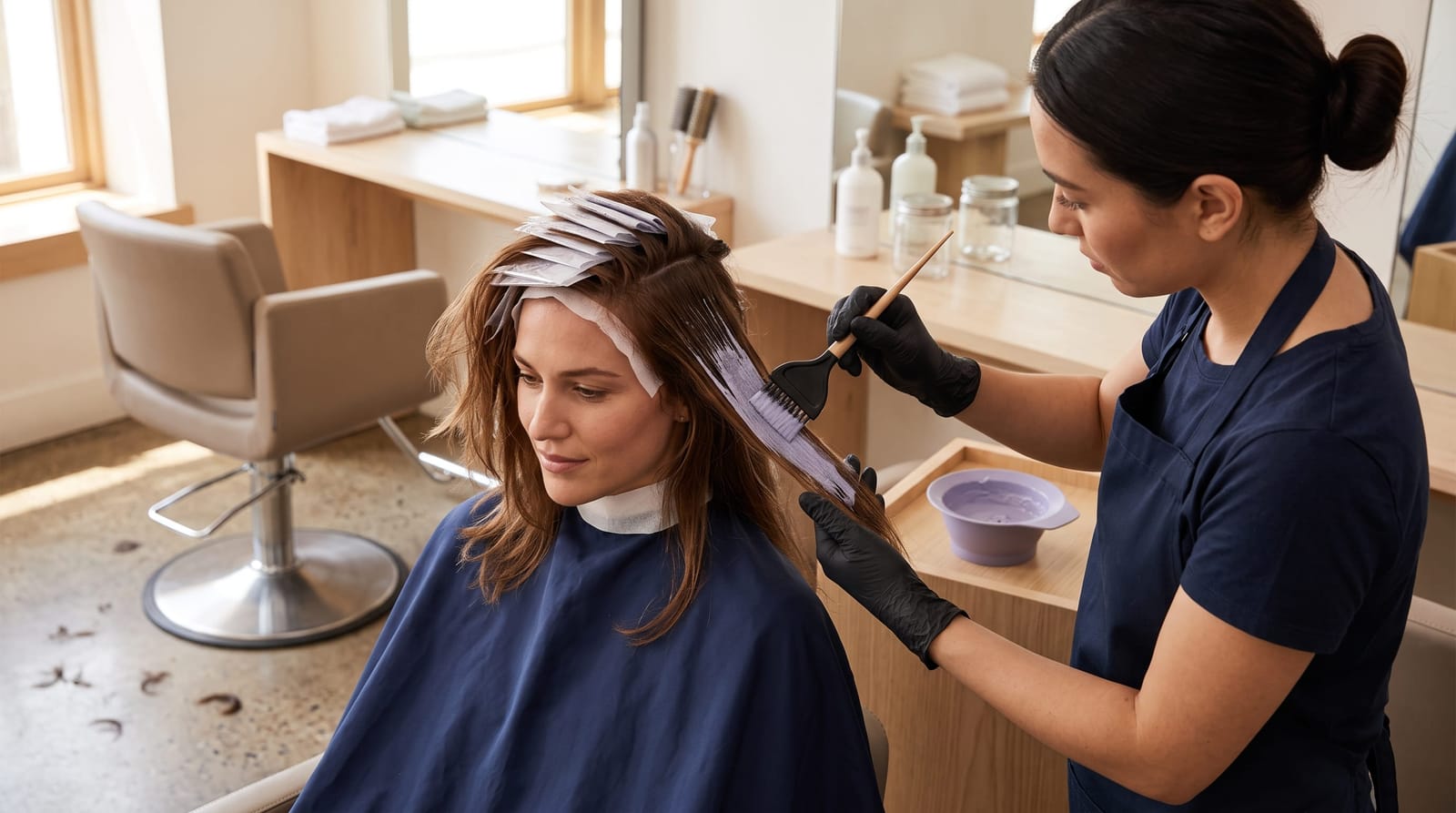
Balayage is a technique: a specific way that a colorist applies lightener or color to the hair. The word itself comes from French, meaning "to sweep," and that's essentially what happens: your colorist sweeps color freehand onto sections of hair, working without foils. This open-air approach allows the lightener to develop more softly, creating gradual transitions rather than sharp lines.
What makes balayage so popular, especially for brunettes in the Westfield, Mountainside, and Springfield area, is how naturally it mimics the way hair lightens on its own from sun exposure. The result tends to look dimensional and sun-kissed rather than uniform. Your roots can grow in without creating a harsh line of demarcation, which is a big reason why clients with naturally darker hair gravitate toward this technique.
Balayage is particularly well-suited for low maintenance brunette hair color because the placement is intentional and selective. A skilled colorist will focus the lighter pieces around your face, at the ends, and where light naturally hits: meaning regrowth blends in beautifully for months before you need a touch-up.
So What Is "Lived-In Color"?
Lived-in color is more of a look or an aesthetic than a specific technique. Think of it as the goal, rather than the method. When someone asks for lived-in color, they're describing a finished result that looks natural, a little effortless, and as if the color has been gently fading and growing out in the most flattering way possible. It's the opposite of a fresh, all-over, perfectly uniform color job.
Balayage is one of the most common techniques used to achieve a lived-in look, but it's not the only one. A colorist might also use techniques like root smudging, glossing, or strategic toning to create that same soft, undone effect. In other words: balayage is often a component of lived-in color, but lived-in color is the broader vision.
For brunettes, lived-in color often translates to something like a dimensional brunette: a rich base with warmer or lighter pieces woven through, giving the hair depth and movement without looking high-contrast or heavily processed. Trending shades like candlelit brunette and soft bronde fall squarely into this category, offering gorgeous warmth with minimal upkeep between appointments.
Where Does Ombré Fit In?
Ombré is another technique-meets-aesthetic that often gets lumped in with balayage and lived-in color, but it has its own distinct look. Ombré creates a more defined gradient: darker at the root, transitioning into lighter ends in a way that's more pronounced and structured. There's a visible shift from one tone to another, even if the transition is softened.
Balayage tends to blend more seamlessly throughout the hair, while ombré creates a stronger contrast between roots and ends. Both can look stunning, but they give different results:
- Balayage: Soft, blended, scattered lightness throughout the hair: very natural-looking
- Ombré: A more structured gradient: darker roots fading into distinctly lighter ends
- Lived-in color: The overall aesthetic goal, effortless, natural, and low-contrast, achieved through any combination of techniques
If you've been using these terms interchangeably when describing what you want, you're not alone. But now that you know the difference, you'll be able to walk into your next consultation with a clearer picture of your ideal result, and your colorist will thank you for it.
Which One Is Right for Your Lifestyle?
The most important question isn't really about technique: it's about how you actually live and how much time you want to spend maintaining your color between salon visits.
Here's a simple way to think about it:
- If you want something truly effortless with the longest stretch between appointments: A balayage-based lived-in color on a naturally dark brunette base is one of the most forgiving options available. Dark roots blend naturally with the placement, and rich brunette shades like espresso, charcoal brunette, or a deep dimensional brown hold beautifully over time. Color-depositing conditioners can help refresh tone between visits.
- If you love a more defined contrast between light ends and dark roots: Ombré might be your style, especially if you enjoy a more modern, graphic look. Keep in mind that the transition line may become more visible as your hair grows, so touch-ups tend to happen a little more frequently.
- If you want the most natural, "I woke up like this" result: Ask specifically for a lived-in color consultation. Your colorist can pull together multiple techniques, balayage, root smudging, glossing, to create something that looks like your hair at its very best, naturally.
For clients with naturally brunette hair who want gorgeous color without frequent salon visits, a balayage consultation at Meraki Salon is a great place to start the conversation.
How to Talk to Your Colorist About What You Want
One of the most helpful things you can do before a color appointment is to come in with a few inspiration images, not because your colorist needs to replicate them exactly, but because visuals communicate tone, contrast, and overall feel far better than words alone.
When you sit down for your consultation, try describing what you want in terms of outcome and lifestyle rather than technique:
- "I want something that looks natural and grows out gracefully."
- "I'd love warmth around my face without anything too dramatic."
- "I want to be able to go four to six months without a touch-up."
- "I don't want a harsh root line when my hair grows."
These kinds of details give your colorist the information they need to recommend the right technique, whether that's balayage, a lived-in blend, or a combination approach. For a deeper look at how balayage compares to other highlight options, our complete guide to balayage vs. foil highlights breaks it all down in one place.
Frequently Asked Questions
Can I ask for lived-in color if I'm a natural brunette?
Absolutely, in fact, lived-in color often looks most beautiful on brunettes. Dark hair provides a rich natural base, and the contrast with warmer or lighter pieces creates gorgeous depth and dimension. Many brunettes find that a lived-in balayage result lasts longer and grows out more naturally than other techniques.
How often do I need to come in for a balayage touch-up?
One of the biggest advantages of balayage, especially for brunettes, is that it's designed to grow out gracefully. Many clients schedule touch-ups every three to five months, though this varies depending on how much contrast is in the color and your personal preference. Your colorist can recommend a maintenance schedule that fits your lifestyle.
What's the difference between a gloss and a toner, and do I need one?
A gloss and a toner are similar services: both deposit tone and add shine to the hair. They're often used after balayage or highlighting to refine the final color, reduce brassiness, or add warmth. Whether you need one depends on your starting color and desired result. Your colorist will recommend one if it makes sense for your specific look.
Is balayage suitable for very dark hair?
Yes, balayage can be done on very dark hair, though achieving a lighter result on deep brunette or black hair may require multiple sessions to keep the process gradual and the hair healthy. For clients with very dark hair, colorists often recommend starting with a subtle, warm-toned balayage that lifts gradually over a series of appointments rather than going dramatically light in one visit.
The Bottom Line
Balayage, lived-in color, and ombré are related ideas, but they're not the same thing. Balayage is a freehand painting technique, ombré is a specific gradient look, and lived-in color is the effortless, natural aesthetic that many of these techniques help create. For brunettes especially, a balayage-based lived-in result offers one of the most beautiful and low-maintenance paths to dimensional, sunlit color. If you've been curious about which approach fits your hair and your schedule, a personalized color consultation is the best first step, and a great opportunity to explore exactly what your hair can do.