Professional Pedicure Services with Spa Experience
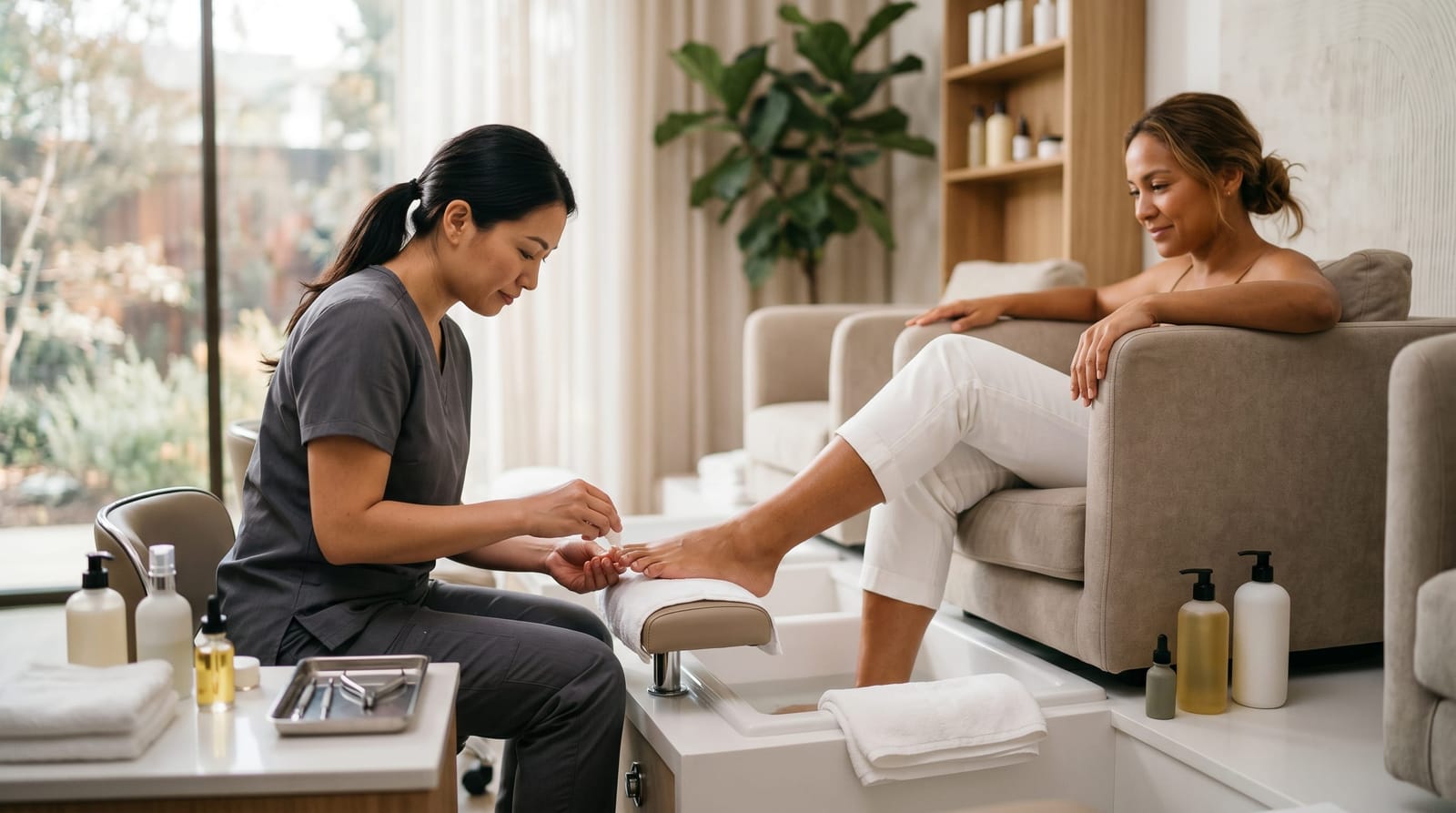
When it comes to complete nail care, most people focus on their hands, but your feet deserve just as much attention. A professional pedicure is far more than a cosmetic treatment. It's a therapeutic service that improves foot health, relieves tension, and delivers a genuinely restorative spa experience. Whether you're exploring our full range of nail salon Mountainside NJ services or specifically searching for a pedicure Mountainside NJ clients trust, this guide covers everything you need to know. From callus removal and cuticle care to massage techniques and seasonal foot treatments, we'll walk you through what a high-quality pedicure involves, why it matters for your long-term foot health, and how to make the most of every visit to Meraki Salon and Spa.
What Separates a Professional Pedicure from a DIY Foot Treatment
At-home foot care has its place, but there are clear limits to what you can safely and effectively accomplish on your own. A professional pedicure at a reputable spa combines clinical-grade tools, trained technique, and a structured service sequence that produces results no pumice stone or drugstore foot cream can replicate.
Studies suggest that roughly 75% of people will experience foot problems at some point in their lives: issues like cracked heels, ingrown toenails, and callus buildup that worsen over time without proper care. A licensed nail technician is trained to identify early signs of these conditions and address them before they become painful.
The Professional Advantage
- Sterile tools: Professional salons use properly sanitized or single-use implements, reducing infection risk significantly compared to reused at-home tools.
- Correct nail shaping: Toenails should be cut straight across with slightly rounded edges: improper trimming is one of the leading causes of ingrown toenails.
- Callus assessment: Technicians can distinguish between calluses that need removal and those providing protective function, preventing over-filing that can cause sensitivity.
- Product quality: Professional-grade exfoliants, masks, and moisturizers penetrate more effectively than most retail options.
- Massage technique: Trained therapists apply targeted pressure to specific foot zones, offering genuine tension relief rather than surface-level rubbing.
Beyond results, the professional setting itself matters. A calm, well-appointed spa environment with ergonomic pedicure chairs, warm water soaks, and skilled hands creates a sensory experience that transforms a routine grooming task into genuine self-care.
The Full Spa Pedicure Experience: Step by Step
Understanding what happens during a spa pedicure services appointment helps you arrive with realistic expectations, and appreciate the value of each phase. A complete spa pedicure typically runs 45 to 75 minutes, depending on the service level you choose.
Phase 1: Soak and Soften
Your service begins with a warm water foot soak, usually infused with Epsom salts, essential oils, or effervescent tablets. This 10 to 15 minute soak serves multiple purposes: it softens hardened skin, relaxes tight muscles in the feet and lower calves, and begins the process of rehydrating dry, cracked areas. The temperature, scent, and mineral content of the soak can be customized based on your skin's needs and your personal preferences.
Phase 2: Nail Shaping and Cuticle Care
After the soak, your technician trims and shapes your toenails, then addresses the cuticles. Rather than cutting cuticles aggressively, a practice that increases infection risk, experienced technicians gently push back and dissolve excess cuticle tissue using a professional-grade softening solution. This keeps the nail bed clean and healthy without compromising your skin's natural barrier.
Phase 3: Exfoliation and Callus Removal
This is one of the most impactful phases of a professional pedicure. A scrub or exfoliating mask is applied to remove dead skin cells from the entire foot and lower leg. For areas of heavier buildup, typically the heel, ball of foot, and outer edge of the big toe, a foot file or paddle is used to gently reduce calluses. For clients with significant callus buildup, this alone can dramatically improve both comfort and appearance.
Phase 4: Masking and Moisture Treatment
A nourishing foot mask is applied and allowed to absorb while your feet are wrapped in warm towels or booties. This phase is as relaxing as it is functional, delivering intensive hydration to the skin. Premium treatments may include paraffin wax dips, which coat the foot in a warm wax layer that locks in moisture and leaves skin noticeably softer after just one session.
Phase 5: Massage
The massage portion of a spa pedicure is where the experience becomes truly therapeutic. A skilled technician works through the feet, heels, arches, and lower legs: areas that carry significant tension, particularly for people who spend long hours standing, walking, or wearing restrictive footwear. The massage improves circulation, reduces inflammation in tired muscles, and stimulates lymphatic drainage. Many clients report that this single phase is worth the entire appointment.
Phase 6: Polish Application
The final phase involves your choice of nail finish. Options typically include classic nail polish, gel color for longer-lasting results, a simple buff and shine for a natural look, or a French tip design. Your technician applies a base coat, two color coats, and a topcoat to ensure even coverage and maximum longevity.
Callus Removal: What You Should Know
Calluses form as a natural protective response: your skin thickens in areas of repeated friction or pressure. For most people, the heels and balls of the feet are the most affected zones. While mild calluses are normal, heavy buildup can lead to cracking, pain, and altered gait patterns as you unconsciously shift your weight to avoid discomfort.
Professional callus removal is measured and precise. Over-filing calluses is a common mistake in rushed services: removing too much tissue can cause the skin to become more sensitive and reactive, actually accelerating callus regrowth. At Meraki Salon and Spa, technicians are trained to remove the appropriate amount of buildup while preserving the foot's natural protective layers.
When to Prioritize Callus Treatment
- Visible cracking or fissures in the heel area
- Discomfort when walking barefoot or in thin-soled shoes
- Skin that catches on socks or sheets
- Discoloration or hardening at pressure points
- Buildup that has resisted at-home moisturizing
For clients with diabetes or circulatory conditions, professional foot care is especially important. These individuals are at elevated risk for foot complications, and regular professional monitoring can catch early issues before they escalate.
Massage Benefits and Why They Matter for Foot Health
The human foot contains 26 bones, 33 joints, and over 100 muscles, tendons, and ligaments. It also serves as one of the body's primary pressure-bearing structures, absorbing forces of up to three times your body weight with every stride. Given this level of daily demand, the restorative value of a targeted foot and lower leg massage cannot be overstated.
Research published in peer-reviewed journals has found that foot massage can reduce cortisol levels, lower perceived stress, and measurably improve sleep quality: particularly when performed consistently over time. Even a single 20-minute massage session has been shown to produce meaningful decreases in anxiety and muscle tension in study participants.
Specific Benefits of Pedicure Massage
- Improved circulation: Massage stimulates blood flow to the feet and lower legs, which is especially beneficial for people with sedentary jobs or those who experience cold feet.
- Reduced swelling: Lymphatic stimulation through massage helps reduce fluid retention in the ankles and feet: a common issue during pregnancy, in warm weather, or after long flights.
- Plantar fascia relief: Targeted work along the arch of the foot can ease tension in the plantar fascia, providing relief for clients who experience morning foot pain or general arch fatigue.
- Lower leg tension release: Calf and shin massage addresses tightness from high heels, athletic activity, or prolonged standing.
- Stress reduction: The feet contain numerous reflex points connected to systems throughout the body: stimulating these areas produces a systemic relaxation response.
Seasonal Foot Care: Adapting Your Pedicure Routine Year-Round
Your feet face different challenges in different seasons, and a thoughtful pedicure schedule accounts for these changes. If you're wondering about the right pedicure frequency schedule for your lifestyle, seasonality is one of the most important factors to consider.
Spring and Summer
Warm weather means open-toed shoes, sandals, and barefoot activity, all of which increase exposure and the rate of callus formation. During summer months, most active clients benefit from pedicures every 3 to 4 weeks. This cadence maintains polish appearance while keeping callus buildup manageable and skin hydrated against the drying effects of heat and sun exposure.
Fall and Winter
Closed shoes and boots trap moisture and heat, creating conditions that can affect nail health and skin integrity. Meanwhile, indoor heating strips moisture from the skin, leading to cracking: particularly in the heels. Winter pedicures every 4 to 6 weeks, with an emphasis on deep hydration treatments and paraffin options, help maintain foot health through the colder months even when bare feet aren't on display.
Year-Round Maintenance Between Appointments
- Apply a urea-based foot cream nightly to maintain moisture levels
- Wear moisture-wicking socks to prevent fungal conditions
- Use a mild pumice stone on wet skin in the shower: never on dry skin
- Change shoes regularly to distribute pressure points across different areas
- Stay hydrated, as systemic dehydration accelerates skin dryness
Related Nail Care Topics Worth Exploring
If you're building a complete nail care routine, pedicures are just one piece of the picture. A well-rounded approach also includes hand care, from classic polish to long-lasting gel options. Explore our full guide to manicure Westfield NJ services for a detailed look at manicure options that complement your pedicure routine. We also offer dedicated nail health and cuticle care treatments for clients who want to address specific concerns like brittle nails, damaged cuticles, or thinning nail plates. And for those interested in nail art beyond solid color, our French tips and minimalist nail art services provide refined design options that work beautifully on both fingers and toes.
Conclusion: Your Feet Carry You: Give Them Professional Care
A professional pedicure Mountainside NJ residents can rely on does more than make your toenails look polished. It's a structured foot health service that addresses callus buildup, improves circulation, relieves muscle tension, and delivers deep hydration, all within a genuinely relaxing spa environment. When performed consistently and by trained professionals, regular pedicures contribute to long-term foot comfort, prevent common problems before they develop, and give you one hour to genuinely decompress.
At Meraki Salon and Spa, located at 887 Mountain Avenue in Mountainside, NJ, our pedicure services are designed to meet every client where they are, whether you're coming in for the first time or maintaining a regular routine. Call us at (908) 232-1067 to book your appointment, or stop by to explore our full menu of nail services.