The Complete Guide to Body Waxing: How to Prepare, What to Expect, and Aftercare Tips

If you've ever Googled "does waxing hurt?" at midnight or wondered whether you're doing your pre-wax prep correctly, you're not alone. Body waxing is one of the most popular hair removal methods available, and one of the most misunderstood. Whether you're preparing for your first appointment or you've been waxing for years and want to get better results, the difference between a smooth, comfortable experience and an uncomfortable one often comes down to preparation and aftercare.
Body waxing preparation isn't complicated, but it does require a little intention. Skip a few key steps and you might deal with unnecessary irritation, breakouts, or less-than-perfect results. Follow the right routine and waxing becomes one of the most satisfying parts of your self-care calendar: leaving skin silky smooth for weeks at a time.
In this complete guide, we're covering everything you need to know about body waxing: how to prepare your skin before your appointment, what actually happens during a professional wax, how to care for your skin afterward, and how to time your waxing schedule around your busiest seasons and events. Whether you're heading in for a leg wax, a bikini service, or facial waxing, this guide is your go-to reference from start to finish.
At Meraki Salon & Spa in New Jersey, our waxing specialists work with clients of all skin types and experience levels. We believe that informed clients get the best results, so let's start at the beginning.
---What Is Body Waxing and Why Do So Many People Choose It?
Body waxing is a semi-permanent hair removal method that removes hair directly from the root using warm or hard wax applied to the skin. Unlike shaving, which cuts hair at the surface, waxing pulls the entire hair follicle out, which is why results last so much longer. Most clients enjoy smooth skin for anywhere from three to six weeks, depending on their natural hair growth cycle and the area being treated.
Waxing is available for nearly every part of the body, including legs, arms, underarms, the bikini area, back, chest, and face. Each area requires a slightly different technique and wax type, which is one of the reasons professional waxing produces results that are difficult to replicate at home.
Why Clients Choose Professional Waxing Over Other Hair Removal Methods
Shaving is fast and inexpensive, but the results are short-lived: most people see regrowth within a day or two. Depilatory creams can cause skin sensitivity and often have a strong odor. Laser hair removal is a longer-term option, but it requires multiple sessions, a higher investment, and isn't ideal for every skin and hair type combination.
Professional body waxing hits a sweet spot: it's efficient, delivers consistently smooth results, and with regular appointments, many clients notice that hair grows back finer and softer over time. There's also something genuinely luxurious about walking out of a professional wax appointment feeling completely polished: it's a self-care ritual that many clients look forward to as part of their monthly or seasonal routine.
The key to getting the most out of every waxing appointment, whether it's your first or your fiftieth, is knowing how to prepare your skin properly, which brings us to the foundation of this guide.
---Body Waxing Preparation: A Step-by-Step Guide for Every Area
Proper body waxing preparation is the single most important thing you can do to improve your waxing results. It reduces discomfort, helps the wax adhere correctly, and minimizes the risk of post-wax irritation. Here's a complete breakdown of how to prepare, organized by timing and body area.
3-4 Weeks Before Your Appointment
The most important body waxing preparation step happens weeks before you ever set foot in the spa: stop shaving and tweezing. Waxing requires hair to be at least a quarter inch long, roughly the length of a grain of rice, so the wax can grip and remove it cleanly. Most people need to let hair grow for three to four weeks after their last shave.
Tweezing is especially important to stop, because it disrupts individual follicles and can cause uneven hair growth, making it harder to achieve a clean wax. If you've been shaving regularly and want to transition to waxing, your first appointment may require a longer growth period. Your esthetician can advise you during your consultation.
24-48 Hours Before Your Appointment
Gentle exfoliation is one of the most recommended body waxing preparation steps in the days leading up to your appointment. Using a mild physical exfoliant or soft washcloth, gently buff the area being waxed to lift away dead skin cells and help free any hairs that may be growing close to the surface. This step makes it easier for the wax to grab each hair cleanly and reduces the chance of ingrown hairs developing afterward.
However, avoid over-exfoliating or using harsh scrubs right before your appointment: exfoliating too aggressively can leave skin sensitive and more prone to irritation during the wax. The 24-to-48-hour window is the sweet spot.
If you use retinol or retinoid-based skincare products on your face or body, pause that routine at least seven days before a facial wax. Retinol increases skin cell turnover and can make skin significantly more sensitive, which may cause the wax to lift surface skin rather than just hair. This applies to prescription-strength retinoids as well as over-the-counter formulas.
Day-Of Body Waxing Preparation
On the day of your appointment, cleanse the area being waxed with a gentle soap or body wash and make sure the skin is completely dry before your session begins. Clean, dry skin allows the wax to bond properly to the hair, not to moisture, oils, or product residue. Avoid applying lotion, body oil, or any heavy skincare products to the area being waxed on the day of your appointment.
Wear loose, comfortable clothing to your appointment, especially if you're getting a leg wax, bikini wax, or underarm service. Tight waistbands, leggings, or fitted fabrics can cause friction and discomfort on freshly waxed skin.
If you're particularly sensitive to discomfort, some clients find it helpful to schedule their appointment a week after their menstrual cycle, when skin tends to be less sensitive. This is worth keeping in mind if you're planning body waxing preparation for a bikini or Brazilian service.
---What to Expect During a Professional Wax Appointment
First-time waxing clients often feel nervous about not knowing what to expect, and that uncertainty can make the experience feel more daunting than it actually is. Here's a clear, honest overview of what happens during a professional wax at Meraki Salon & Spa.
The Consultation and Skin Assessment
Every waxing appointment at Meraki begins with a brief consultation. Your esthetician will ask about your skin type, any products you're using (especially retinol, exfoliating acids, or prescription topicals), your waxing history, and any sensitivities or concerns. This helps them choose the right wax formula and technique for your skin.
For first-time clients, this is also a great time to ask questions. There are no silly questions when it comes to understanding what's about to happen: the more comfortable and informed you feel, the better your experience will be.
The Waxing Process
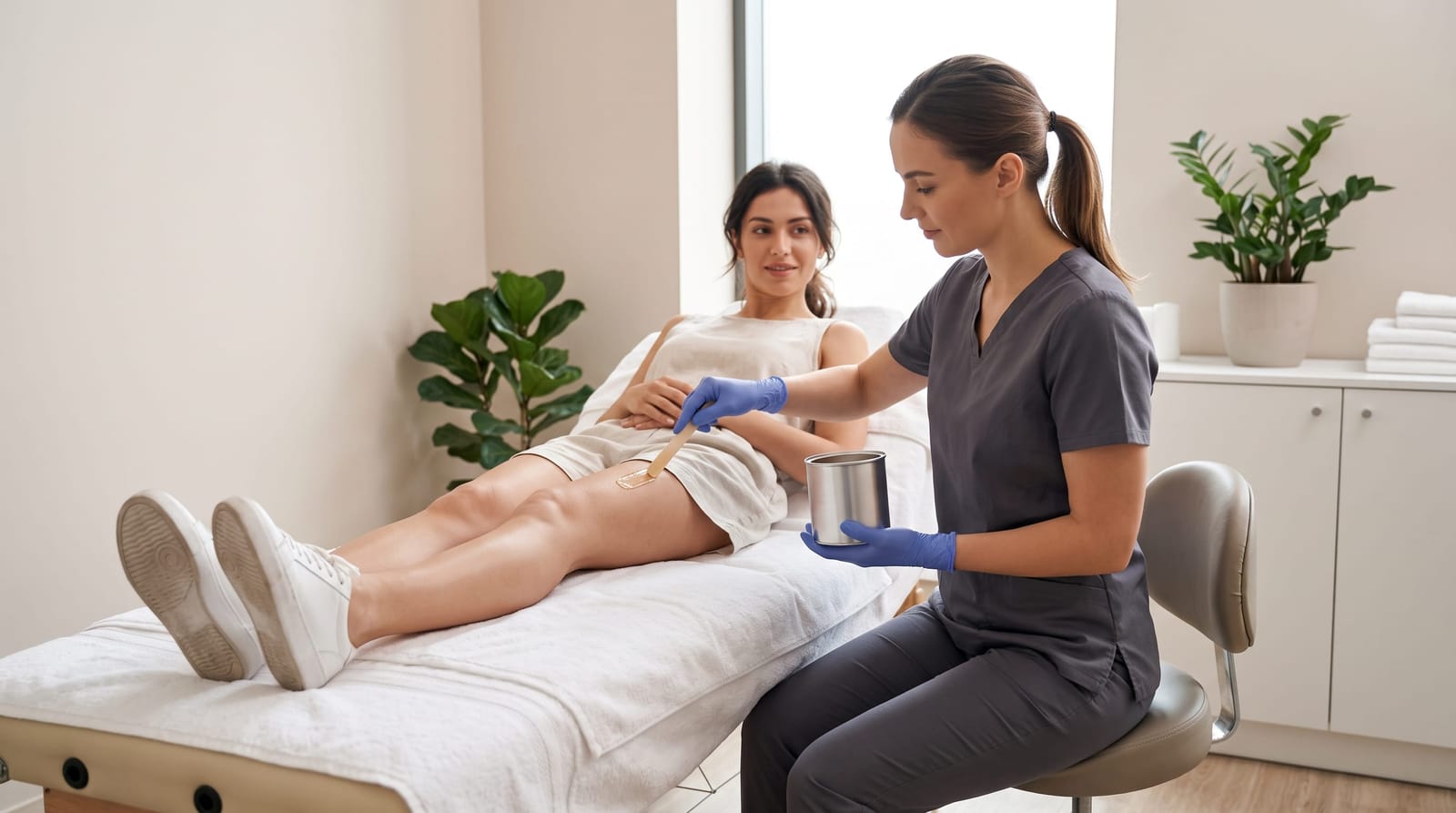
Your esthetician will begin by cleansing the area being waxed and applying a light pre-wax oil or powder to create a barrier between the wax and your skin. This is especially common with hard wax services for the bikini and underarm areas.
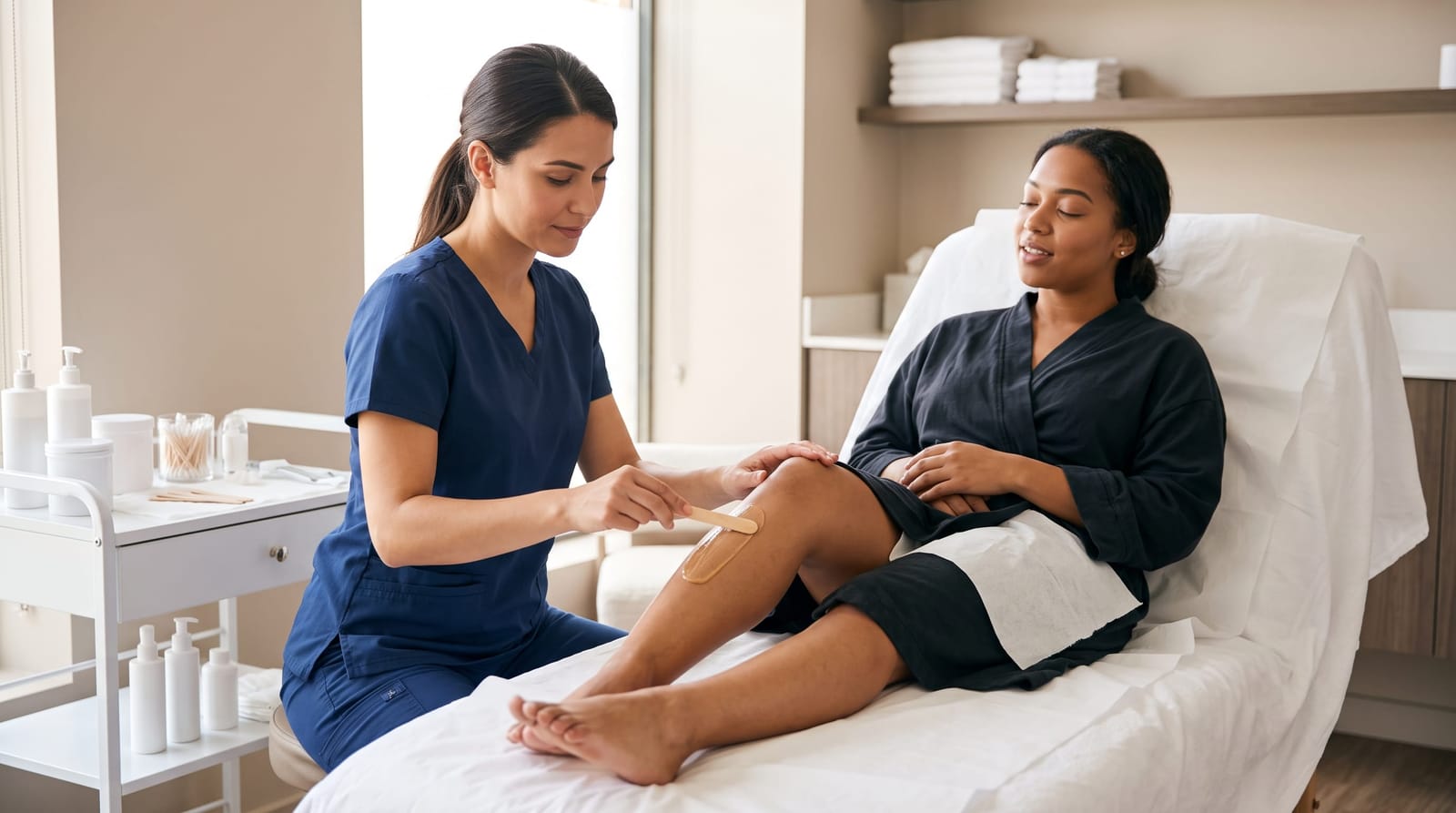
Warm wax is applied in small sections in the direction of hair growth, then removed quickly against the direction of growth: either with a cloth strip or, for hard wax, on its own once it cools and hardens. The sensation is a brief, sharp pull that most clients describe as intense but very quick. Most people find that the anticipation of discomfort is worse than the wax itself.
After each section is removed, your esthetician will apply gentle pressure to the skin to calm the area before moving on. A full leg wax typically takes 30-45 minutes, while a bikini or Brazilian service may take 20-40 minutes depending on the service type. Eyebrow waxing usually takes 10-15 minutes.
Post-Wax Soothing Treatment
Once the waxing is complete, your esthetician will remove any remaining wax residue and apply a soothing post-wax lotion or gel, often containing ingredients like aloe vera or chamomile, to calm the skin and reduce redness. Some temporary redness or sensitivity is completely normal and typically fades within a few hours.
---Pain Management Tips: Making Your Wax More Comfortable
One of the most common questions about body waxing preparation is how to manage discomfort, especially for sensitive areas. Here's what actually helps.
Timing matters. Skin tends to be more sensitive in the days leading up to and during your menstrual cycle, so if you're scheduling a bikini or Brazilian wax, planning your appointment for the week after your period ends can make a noticeable difference in comfort level.
Stay hydrated. Well-hydrated skin is more supple and tends to respond better to waxing than dry, dehydrated skin. Drinking plenty of water in the days before your appointment is a simple but effective body waxing preparation habit worth building.
Avoid caffeine and alcohol before your appointment. Both can increase skin sensitivity and may make the experience less comfortable. Try to skip your morning coffee or afternoon espresso on the day of your wax if you're concerned about sensitivity.
Breathe through it. Sounds obvious, but slow, deep breathing during the wax genuinely helps your body relax, which reduces muscle tension and can make each pull feel less intense.
Trust your esthetician's technique. A skilled wax specialist works quickly and confidently. Hesitation or slow removal is one of the main reasons waxing feels more painful than it needs to. At Meraki, our estheticians are trained in efficient, comfortable technique that minimizes unnecessary discomfort.
---Aftercare: How to Care for Your Skin After Waxing
Body waxing preparation doesn't end when you leave the salon: what you do in the 24 to 48 hours after your appointment has a significant impact on how your skin looks and feels in the days that follow. Good aftercare helps prevent irritation, ingrown hairs, and breakouts while keeping your skin smooth for as long as possible.
The First 24 Hours After Waxing
In the first 24 hours post-wax, your skin is more sensitive than usual. The follicles are open, which makes skin temporarily more vulnerable to heat, friction, and bacteria. During this window:
- Avoid hot showers, hot tubs, saunas, and steam rooms
- Skip intense exercise that causes heavy sweating
- Avoid direct sun exposure on freshly waxed areas
- Don't apply perfumed products, deodorant (for underarm waxing), or any products containing alcohol or acids to the waxed area
- Wear loose-fitting, breathable clothing, especially after a bikini, leg, or underarm wax
These precautions help protect your skin while the follicles close and sensitivity subsides. Most people find that redness and sensitivity resolve within a few hours, but skin that was already compromised (from sunburn, active breakouts, or product sensitivity) may take a little longer to settle.
48 Hours and Beyond: Ongoing Aftercare
Starting around 48 hours after your wax, once initial sensitivity has calmed, gentle exfoliation becomes your most important aftercare habit. Light, regular exfoliation two to three times per week helps prevent dead skin cells from trapping new hair growth close to the skin's surface, which is the primary cause of ingrown hairs.
Keep the waxed area moisturized with a lightweight, fragrance-free lotion to maintain softness and support healthy skin cell turnover. Consistent moisturizing also helps extend the time between waxing appointments by keeping skin supple and comfortable as hair grows back.
Avoid tweezing any hairs that appear in the days after your wax. This disrupts the follicle, creates uneven regrowth patterns, and can make your next wax appointment more complicated. If you notice stubborn ingrown hairs, an exfoliating glove or gentle chemical exfoliant (like a lactic acid lotion) used as part of your regular routine can help keep them at bay.
---Waxing Schedules: How to Time Your Appointments for Best Results
One of the most overlooked aspects of body waxing preparation is the scheduling strategy. Getting your timing right means you'll always have smooth skin when it matters most, and consistent appointments actually make waxing more comfortable over time.
How Often Should You Wax?
Most clients schedule waxing appointments every three to six weeks, depending on the area and their individual hair growth rate. Areas like the upper lip or eyebrows may need more frequent attention (every three to four weeks), while leg and arm waxing clients often go every four to six weeks.
Consistency is genuinely important with waxing. When you wax on a regular schedule, you begin targeting hair follicles during the same growth phase, which leads to more uniform hair removal. Over time, many consistent waxing clients notice that regrowth becomes finer and sparser, though results vary by individual.
Planning Around Seasons and Events
Seasonal planning is one of the smarter body waxing preparation strategies. If you know you'll be in a swimsuit in June, don't start your waxing routine in May: begin in March or April. This gives you two or three appointments before your first beach trip, which means your skin will be more accustomed to waxing and your results will be at their most refined.
For special events like weddings, vacations, or milestone occasions, plan your last wax appointment two to three days before the event rather than the day before. This gives any temporary redness time to fully resolve so your skin looks its absolute best for the occasion.
Summer is peak season for waxing: particularly for bikini, leg, and full body services. Booking in advance and establishing a pre-summer waxing schedule ensures you're not scrambling for a last-minute appointment in June when availability fills up quickly.
---Area-Specific Body Waxing Preparation Tips
While the general preparation principles apply across the board, each body area has a few nuances worth knowing. Here's a quick reference guide for the most common waxing services.
Leg Waxing
Leg waxing is one of the most popular services and tends to be well-tolerated even by first-time clients. Body waxing preparation for legs focuses on letting hair reach adequate length (approximately a quarter inch), exfoliating 24-48 hours before, and arriving with clean, dry legs free of lotion. Wear loose pants or a skirt to your appointment for post-wax comfort.
Underarm Waxing
Underarm skin is thin and sensitive, so body waxing preparation here includes skipping deodorant on the day of your appointment. Hair in the underarm area grows in multiple directions, so an experienced esthetician will wax in sections to address all growth patterns. Avoid wearing tight sleeveless tops immediately after.
Bikini and Brazilian Waxing
This is the area that generates the most questions from new clients, and understandably so. In addition to standard body waxing preparation, it's helpful to wear comfortable cotton underwear to your appointment and plan your visit around your cycle for maximum comfort. First-time Brazilian wax clients especially benefit from a thorough consultation before their service begins.
Facial Waxing
Eyebrows, upper lip, chin, and full-face waxing all require pausing retinol use for at least seven days prior. Don't apply makeup or heavy skincare products to the face on the day of your appointment. Post-wax, avoid applying foundation or concealer directly to freshly waxed areas for at least a few hours to let skin settle.
---Deep Dive Topics: Explore the Full Body Waxing Guide
This guide covers the fundamentals of body waxing preparation and aftercare, but there's a lot more to explore when it comes to specific services, seasonal planning, and targeted skincare routines. Our waxing specialists at Meraki have put together detailed resources on each of the topics below to help you get the most out of every appointment.
- Summer waxing preparation: Everything you need to know about getting bikini-ready before summer, including how far in advance to start waxing, what to do between appointments, and how to protect freshly waxed skin in the sun.
- Prevent ingrown hairs waxing: A complete aftercare guide focused on one of the most common post-wax concerns. Learn exactly how ingrown hairs develop, how to treat them when they appear, and how to build an aftercare routine that prevents them from forming in the first place.
- Body waxing services NJ: Not sure whether to book a full leg or half leg wax? This guide compares both services side by side, covering coverage, comfort, timing, and cost, so you can book with confidence.
- First Brazilian wax experience: A dedicated guide for anyone preparing for their first Brazilian wax, including exactly what to expect, how to prepare, what to wear, and how to care for skin afterward.
- Facial waxing duration: A complete look at eyebrow, lip, chin, and full-face waxing services, including how long each takes, how often to schedule appointments, and skincare prep tips specific to facial waxing.
Why Choose Meraki Salon & Spa for Body Waxing in New Jersey
Body waxing preparation is important, but so is choosing the right place to have your service done. At Meraki Salon & Spa in New Jersey, our waxing specialists are trained in advanced waxing techniques for all body areas, with a strong focus on skin comfort, hygiene, and consistent results.
We work with clients across every experience level, from first-time waxers who need a little extra guidance to long-term clients with established waxing schedules. Every appointment includes a personalized skin consultation, professional-grade wax products suited to your skin type, and a relaxing, upscale spa environment where you'll always feel comfortable and cared for.
We use both soft wax and hard wax depending on the area being treated: hard wax for sensitive areas like the bikini and underarms (which adheres to hair rather than skin), and soft wax for larger body areas like the legs. This approach helps minimize discomfort and deliver precise, clean results every time.
We also prioritize hygiene with strict single-use applicator practices, so you can feel confident in the safety and professionalism of your service. Our team stays current on best practices in professional waxing so that your skin is always in expert hands.
---Final Thoughts: Body Waxing Preparation Makes All the Difference
Whether you're a first-time client or someone who's been waxing for years, revisiting your body waxing preparation routine is always worthwhile. The steps are simple: let hair grow to the right length, exfoliate 24-48 hours before, cleanse and dry skin on the day of, dress comfortably, and follow a consistent aftercare routine afterward. But the impact of getting each of these steps right shows up immediately in how comfortable your appointment feels and how long your results last.
Waxing isn't just about hair removal, for many of our clients, it's a confidence-boosting, feel-good ritual that fits naturally into their self-care schedule. When you arrive prepared and leave knowing how to care for your skin, the whole experience shifts from something you dread to something you genuinely look forward to.
If you're ready to book your next waxing service in New Jersey, the team at Meraki Salon & Spa is here to help you feel smooth, polished, and completely at ease from your very first appointment. We'd love to welcome you.
Book your waxing appointment at Meraki Salon & Spa in NJ today, and come in feeling prepared, confident, and ready for beautiful results.