Waxing Aftercare and Skin Health
Getting waxed is one of the most effective ways to achieve long-lasting, silky-smooth skin, but the treatment itself is only half the story. What you do in the hours and days following your appointment plays a significant role in how your skin looks, feels, and recovers. Proper waxing aftercare tips are the difference between glowing, comfortable skin and unwanted redness, breakouts, or ingrown hairs. Whether you just experienced your first Brazilian wax or you're a regular at the salon, understanding how to care for freshly waxed skin is essential. In this guide, we'll walk you through everything, from the first 24 hours post-wax to long-term skin health habits, so your results stay beautiful and your skin stays happy.
Why Aftercare Matters: What's Happening to Your Skin After Waxing
Waxing removes hair directly from the root, which means the follicles are temporarily open and the surface of the skin experiences a degree of physical stress. Even with the most professional technique and high-quality wax, this is a process your skin needs to recover from. Studies suggest that the skin's surface barrier can remain compromised for up to 24 to 48 hours after waxing, making it more vulnerable to bacteria, friction, and environmental irritants during that window.
Immediately after your appointment, you may notice some redness, mild swelling, or a sensation of warmth, all of which are completely normal inflammatory responses. For most clients, these symptoms subside within a few hours. However, without the right aftercare routine, that temporary sensitivity can escalate into more persistent issues like folliculitis (inflammation of the hair follicles), contact dermatitis, or ingrown hairs.
Understanding this recovery process helps you make smarter choices in the days following your wax. Think of post-wax skin the same way you'd think about skin after a facial treatment: it needs gentle handling, careful product selection, and time to settle before returning to its strongest, healthiest state.
The First 24 Hours: The Most Important Window
The first day after your wax is when your skin is at its most sensitive, and the choices you make during this period have the biggest impact on your results. Following a few key waxing aftercare tips during these initial hours can dramatically reduce irritation and prevent complications.
What to Avoid in the First 24 Hours
- Heat and steam: Avoid hot showers, saunas, steam rooms, and hot tubs. Heat causes further inflammation and opens pores in a way that increases the risk of bacterial infection. Stick to lukewarm water when cleansing.
- Sun exposure: Freshly waxed skin is significantly more susceptible to UV damage. Dermatologists recommend avoiding direct sun exposure for at least 24 hours, and applying SPF 30 or higher if you must be outdoors.
- Tight clothing: Friction against freshly waxed skin, especially after Brazilian wax Westfield NJ appointments: can cause chafing and irritation. Opt for loose, breathable fabrics like cotton.
- Touching the skin: Your fingertips carry bacteria, and pressing or scratching at waxed areas can introduce that bacteria into open follicles.
- Vigorous exercise: Sweat combined with friction is a fast track to irritation and follicle inflammation. Many estheticians recommend waiting at least 24 hours before high-intensity workouts.
- Active skincare ingredients: Retinoids, AHAs, BHAs, and exfoliating scrubs should be completely avoided for at least 48 hours post-wax. These ingredients are too aggressive for compromised skin.
What to Do Right After Your Appointment
Your esthetician will typically apply a post-wax soothing lotion or oil immediately after your service. At home, you can continue to calm the skin using products that contain aloe vera, chamomile extract, or tea tree oil. A cold compress held gently against the skin for 10 to 15 minutes can also reduce inflammation quickly and comfortably.
Preventing Ingrown Hairs: Your Biggest Post-Wax Priority
Ingrown hairs are the most common concern clients have after waxing, and for good reason: they're uncomfortable, can leave marks, and tend to appear just when you want your skin to look its best. Research indicates that ingrown hairs occur when the hair curls back or grows sideways into the skin rather than upward, which is especially common in areas with coarse or curly hair texture.
The good news is that ingrown hairs are largely preventable with consistent aftercare. For a deeper look at targeted strategies, our detailed guide on how to prevent ingrown hairs waxing covers everything from exfoliation timing to product ingredients.
Exfoliation: Timing Is Everything
Gentle exfoliation is one of the most effective tools for preventing ingrown hairs, but timing matters enormously. You should wait a full 48 hours after waxing before introducing any form of exfoliation. Once that window has passed, incorporating a gentle physical or chemical exfoliant 2 to 3 times per week helps keep dead skin cells from building up over the follicle and trapping new hair growth beneath the surface.
For the body, a soft exfoliating mitt or a mild sugar scrub works beautifully. For more sensitive areas, like those treated during body waxing services NJ appointments for the underarms or bikini line: look for a gentle chemical exfoliant with salicylic acid or glycolic acid used sparingly and diluted.
Moisturizing as Prevention
Dry skin is a major contributor to ingrown hairs. When the skin's surface is dehydrated, it becomes thicker and tougher, making it harder for hair to break through cleanly. Daily moisturizing, using fragrance-free, non-comedogenic lotions, keeps the skin supple and allows hair to grow back smoothly. Apply moisturizer at least once daily, paying particular attention to waxed areas.
Soothing Irritated Skin: Products and Ingredients That Actually Help
Even with the best preparation and technique, some skin sensitivity after waxing is normal. Knowing which ingredients genuinely calm and repair the skin, and which ones to avoid, helps you make confident choices at the drugstore or beauty counter.
Skin-Soothing Ingredients to Look For
- Aloe vera: A gold-standard post-wax soother, aloe vera gel has clinically documented anti-inflammatory properties and is gentle enough for even the most reactive skin types. Look for pure aloe vera gel with minimal added ingredients.
- Witch hazel: A natural astringent that helps tighten pores and reduce redness without harsh chemicals. It's particularly effective for areas prone to folliculitis.
- Calendula: Known for its healing and anti-inflammatory properties, calendula is commonly found in gentle post-treatment creams and is especially well-suited for sensitive skin.
- Centella asiatica (Cica): A popular K-beauty ingredient that has gained wide recognition in professional skincare for its ability to calm inflammation and support the skin's repair process.
- Hydrocortisone cream (1%): For more significant redness or irritation, an over-the-counter 1% hydrocortisone cream can provide targeted relief. Use sparingly and not for more than a few days.
Ingredients and Products to Avoid
Fragranced body lotions, alcohol-based toners, and products containing menthol or eucalyptus can all cause stinging and further irritation on post-wax skin. Thick, occlusive products like heavy petroleum jelly should also be avoided immediately after waxing, as they can trap heat and bacteria in open follicles. Keep your routine clean, minimal, and gentle for the first 48 hours.
Long-Term Skin Health: Building a Routine That Supports Your Waxing Schedule
Waxing works best as part of a consistent, ongoing routine. Most clients who wax regularly notice significant changes over time: hair tends to grow back finer, sparser, and softer with each session. On average, clients who wax consistently every 4 to 6 weeks report a noticeable reduction in hair density within 3 to 6 months of maintaining their schedule.
Building a supportive daily routine between appointments is what makes those long-term results possible. Here's what a healthy between-wax skincare routine looks like:
- Daily moisturizing: Non-comedogenic, fragrance-free lotion applied morning and evening keeps skin soft and prevents dry-skin-related ingrowns.
- Gentle exfoliation 2-3 times per week: Starting 48 hours after waxing and continuing until about 3 days before your next appointment.
- Sun protection: SPF 30 or higher daily on any exposed waxed areas, especially the face after treatments like eyebrow or lip waxing.
- Hydration from within: Drinking adequate water, the commonly cited 8 glasses per day remains a reasonable baseline, supports overall skin health and elasticity.
- Avoid shaving between appointments: Shaving between wax sessions causes hair to grow back with a blunt edge, making the next wax more uncomfortable and less effective.
How Hair Length Affects Your Next Appointment
For wax to grip hair effectively, it needs to be approximately ¼ inch long: roughly the length of a grain of rice. Hair that's too short won't be caught by the wax, and hair that's too long can make the process more uncomfortable. Maintaining awareness of your hair growth cycle and timing your appointments accordingly will give you consistently better results every visit.
Face-Specific Aftercare: Special Considerations for Facial Waxing
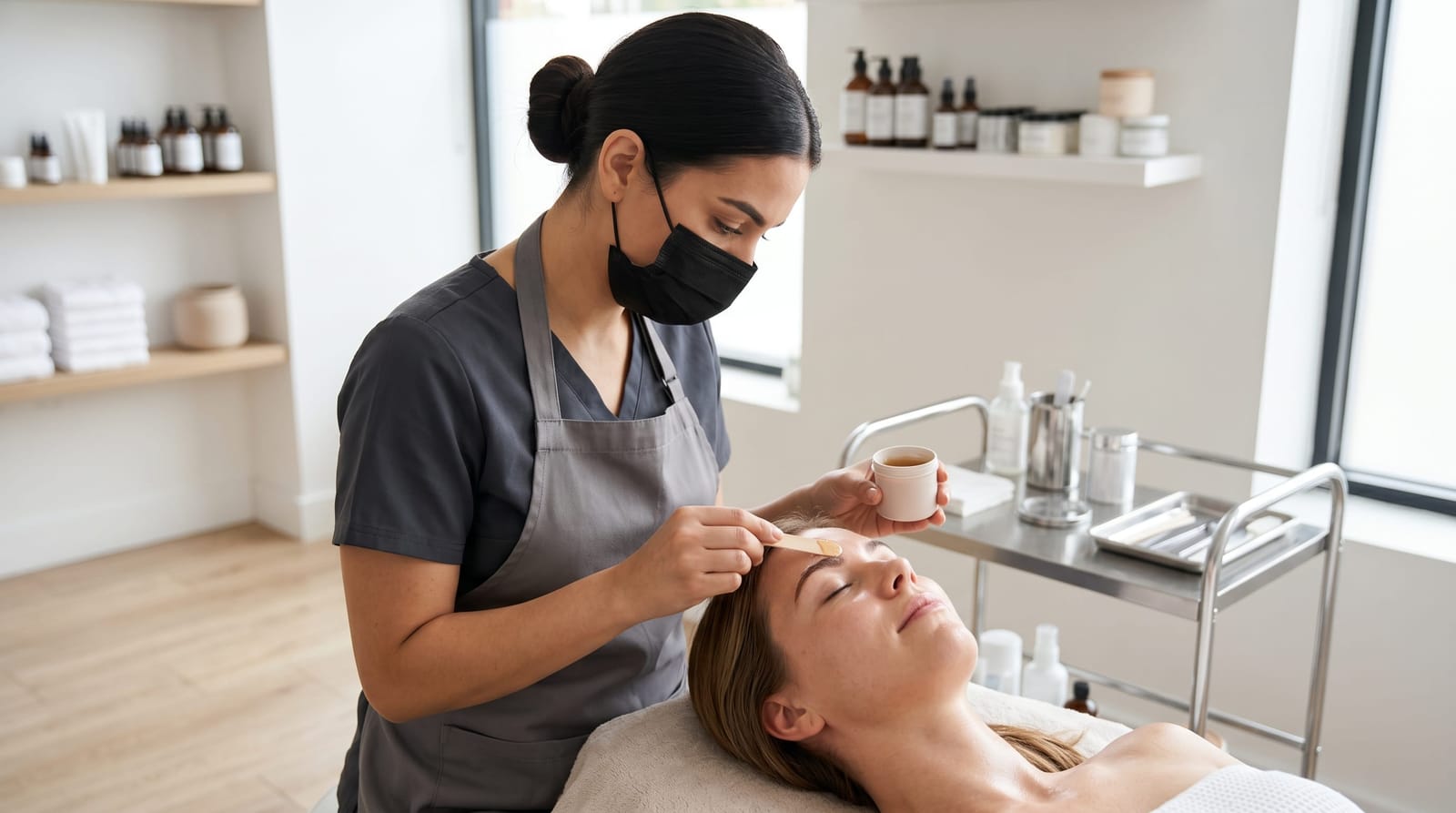
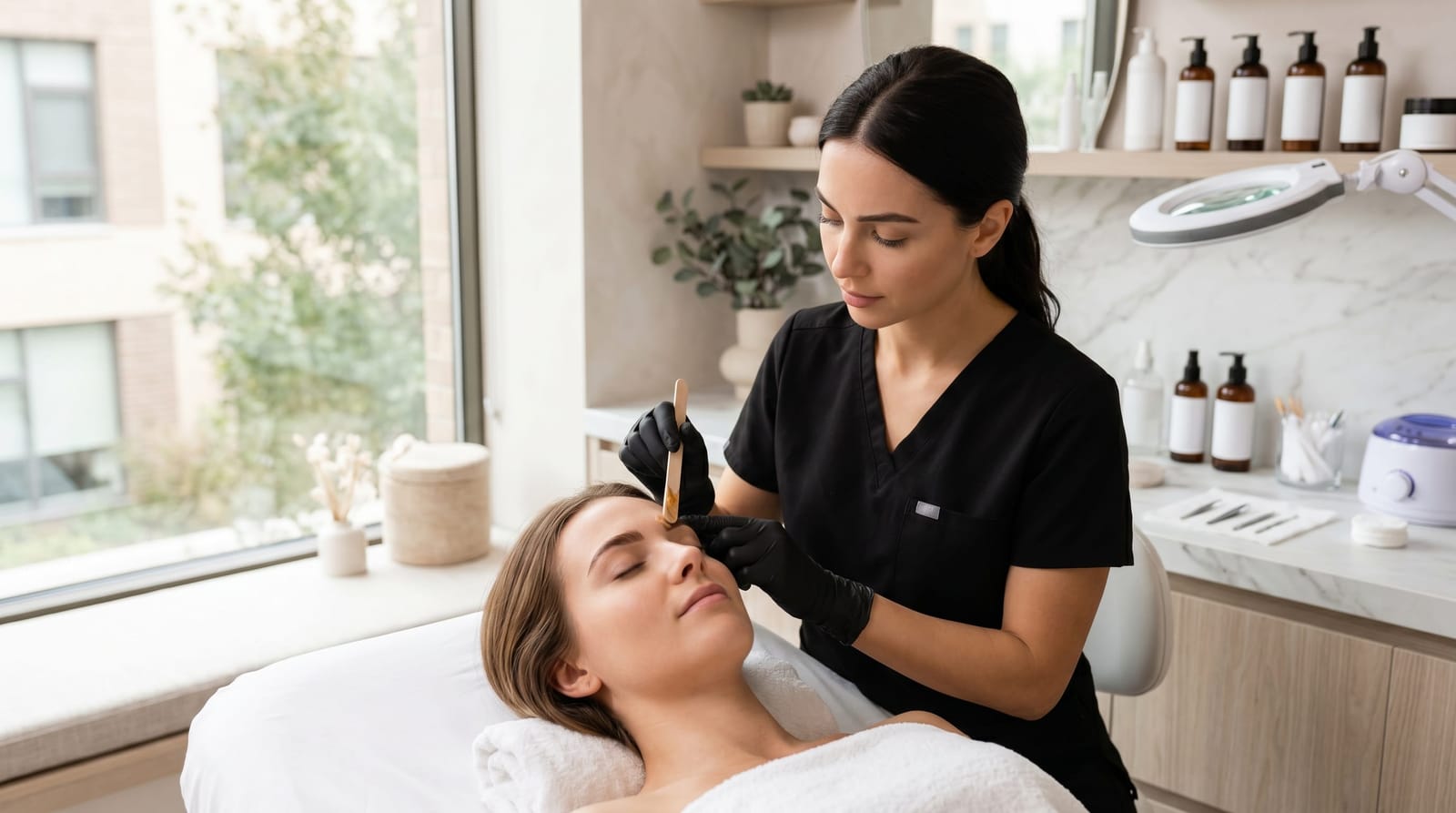
Facial skin is thinner, more reactive, and more exposed to environmental factors than body skin, which means it deserves extra attention after waxing. If you've recently had a brow shaping, lip wax, or full-face treatment, like those offered alongside our eyebrow waxing Mountainside NJ services: there are a few additional considerations to keep in mind.
Avoid applying makeup for at least 4 to 6 hours after facial waxing. Foundation, concealer, and powders can clog open follicles and introduce bacteria to vulnerable skin. When you do resume your makeup routine, clean brushes and sponges thoroughly before use. Many clients choose to schedule facial waxing appointments in the evening so the skin has time to settle overnight before they need to apply makeup the next morning: a practical tip that significantly reduces the likelihood of breakouts.
If you use prescription retinoids or topical acne treatments on your face, inform your esthetician before your appointment. These ingredients make the skin more sensitive and can cause skin lifting during the wax process. Your esthetician may recommend pausing these products for several days before your appointment as well as after.
Related Topics Worth Exploring
Proper aftercare is one piece of the larger picture when it comes to getting the most out of your waxing services. If you're interested in going deeper on specific aspects of skin health and hair removal, we've created detailed resources on preventing ingrown hairs after waxing: a common concern that deserves its own focused conversation. This guide covers everything from the best exfoliation methods to product recommendations formulated specifically for post-wax skin.
Conclusion: Beautiful Results Start With the Right Aftercare
Waxing is an investment in smooth, healthy skin, and your aftercare routine protects that investment every single day between appointments. By following thoughtful waxing aftercare tips, choosing the right products, and building consistent skincare habits, you'll see better results with every session. The most common issues clients experience, redness, ingrowns, and irritation, are largely avoidable with the right approach. At Meraki Salon, our estheticians are here to guide you through every step of the process, from preparation to aftercare, so your skin always looks and feels its absolute best. Ready to experience professional waxing in a relaxing, expert environment? Book your appointment today and let us take care of the rest.