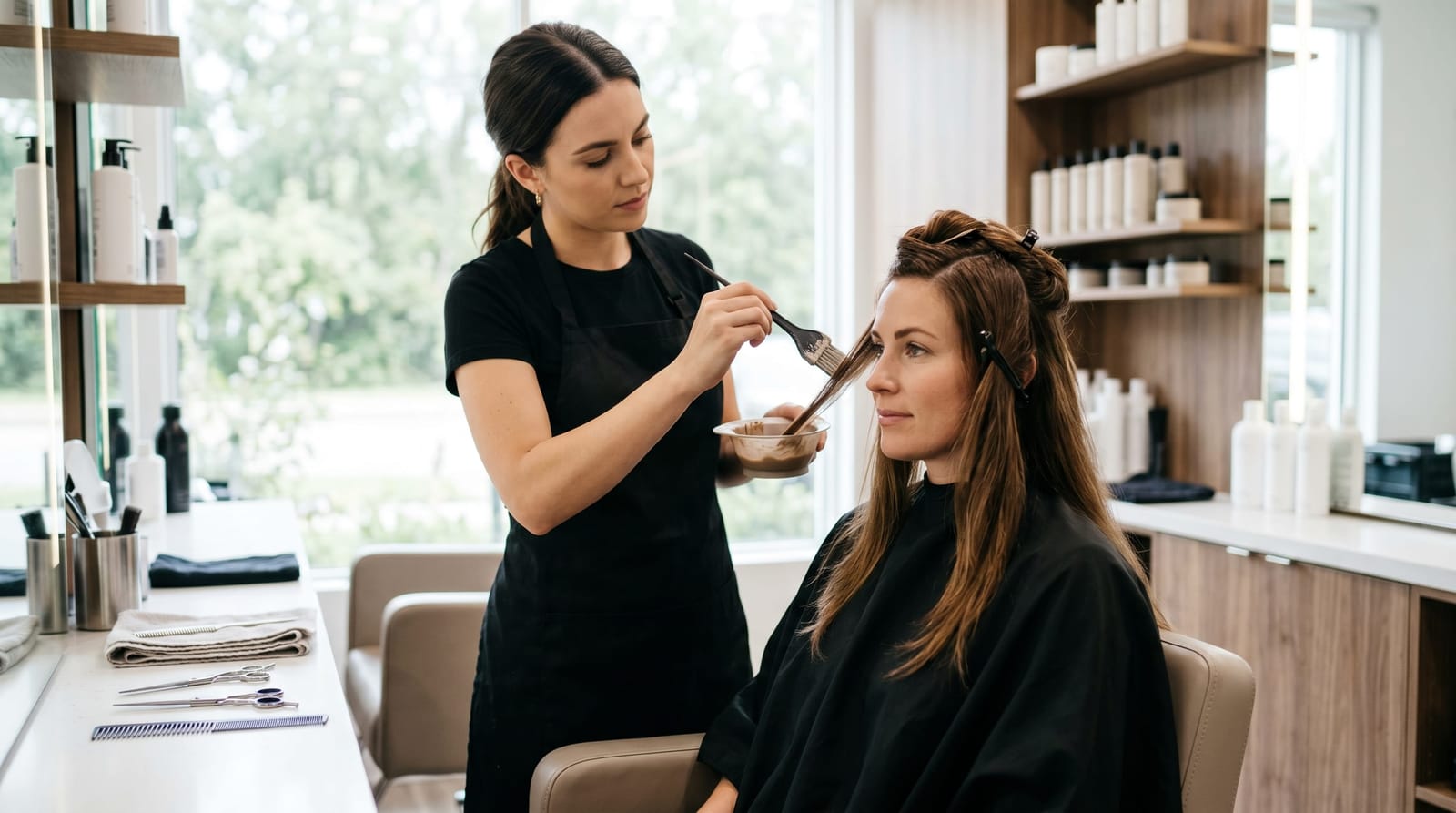
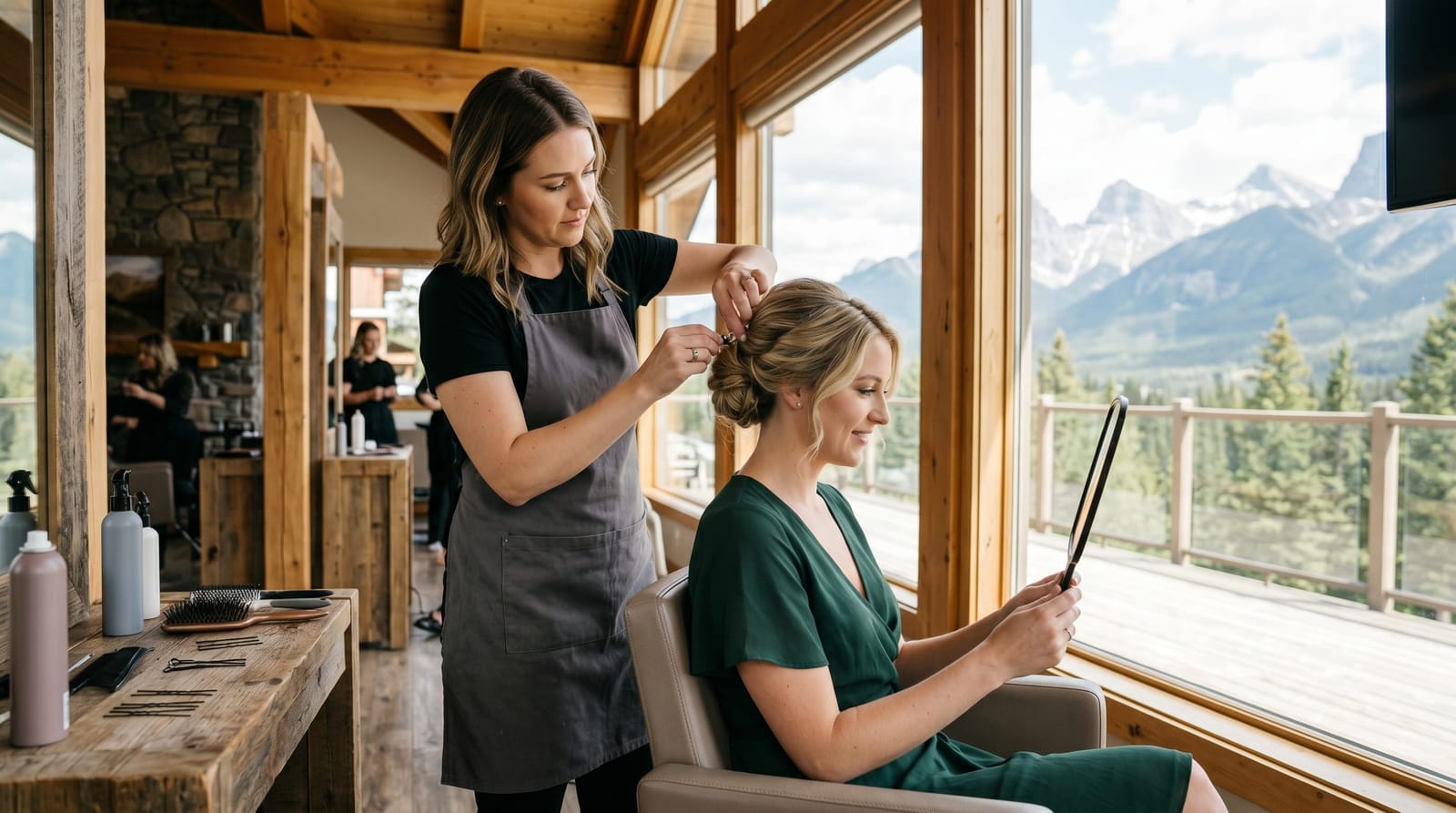
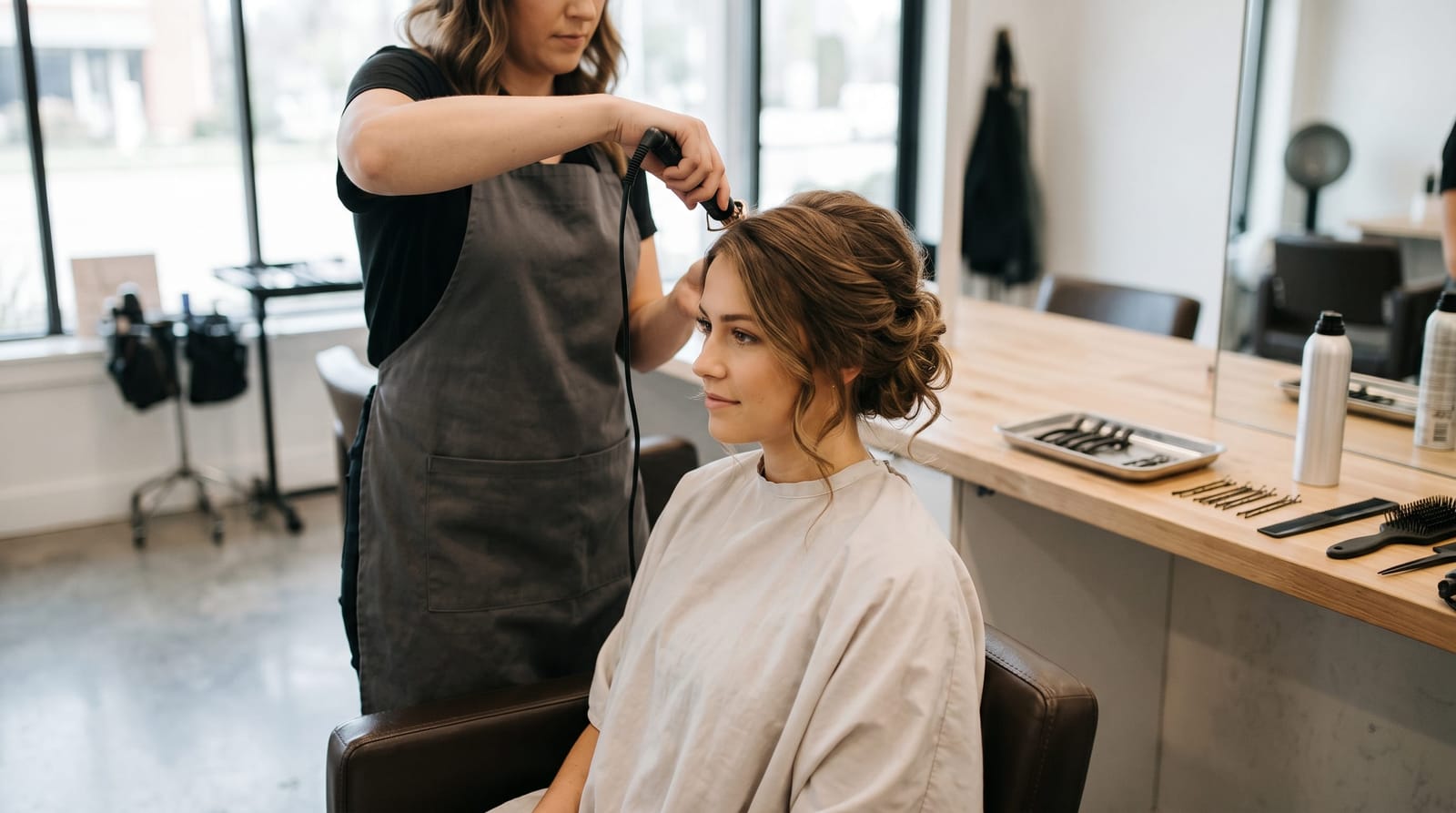
Wedding Hair Services: Bridal Styling and Wedding Party Coordination
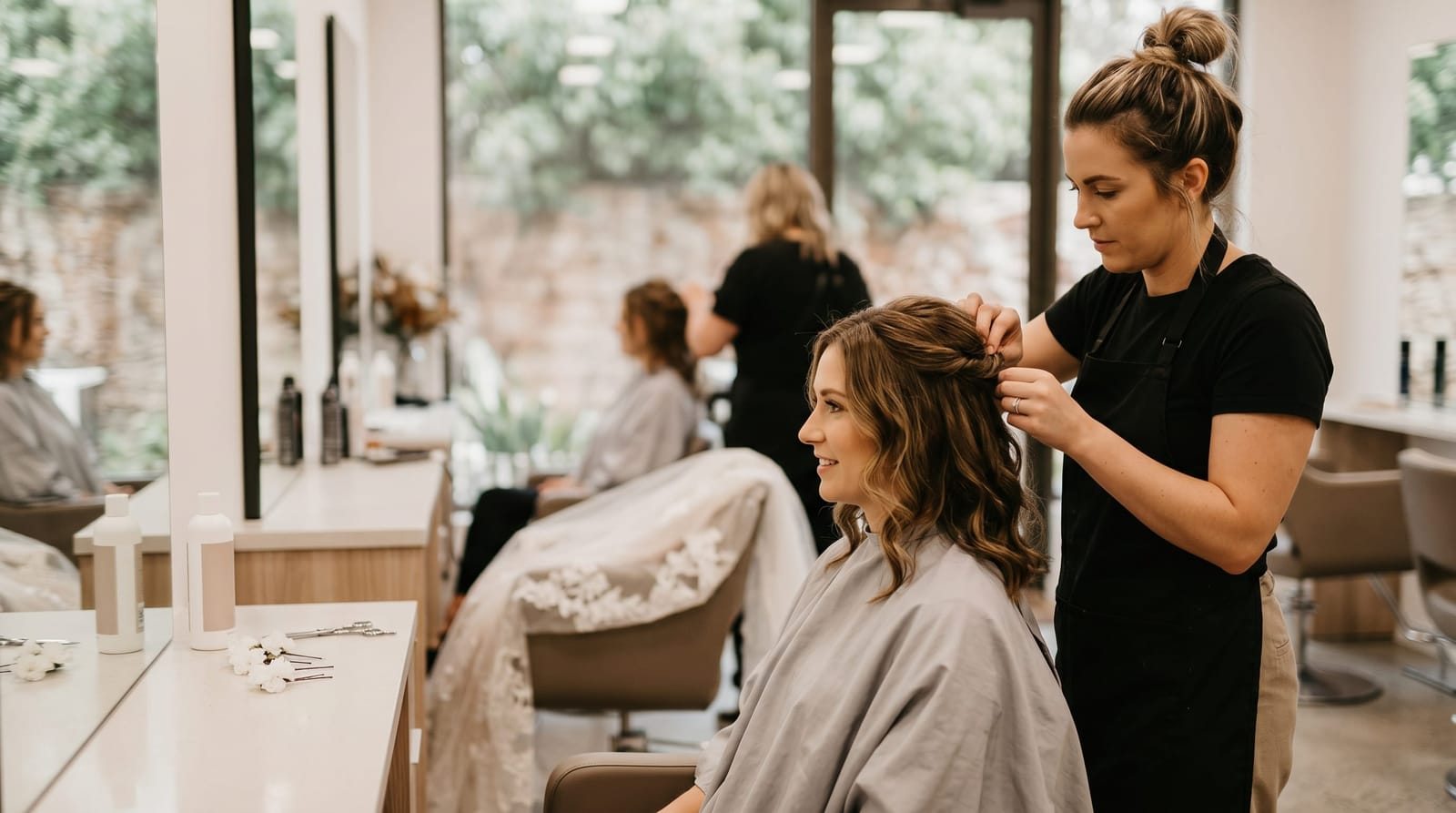
A thoughtful wedding hair plan brings together a style you love and a schedule that gives everyone time to get ready. When choosing a bridal hair stylist in NJ, look for examples that reflect your preferred look, a clear discussion of your hair and accessories, and timing built around your first photos, not just the ceremony.
At Meraki Salon & Spa in Mountainside, New Jersey, we offer formal updos and event hair, along with blowouts and styling tailored to your preferences. For wedding planning, the details below can help you compare styling options, prepare for a trial, and coordinate your wedding party.
What Makes Wedding Hair Planning Different?
Wedding styling involves more than choosing an attractive finished look. Your hair may need to work with a veil, stay comfortable through a long celebration, and move between indoor portraits, an outdoor ceremony, and dancing. The best starting point is a style that suits both your hair and the way you want to spend the day.
- Comfort: A secure style should not feel painfully tight or pull when you turn your head.
- Wear: Wind, humidity, movement, and your hair's natural texture can affect how the style changes throughout the celebration.
- Accessories: A veil or decorative comb needs placement that works with the hairstyle, including a plan for removal.
- Timing: Styling needs to fit alongside makeup, dressing, photography, and travel.
When reviewing a stylist's work, look beyond the overall effect. Examples with a similar length, texture, or density to yours can make the conversation more useful. Notice whether you prefer a polished finish, soft movement, visible curls, or loose pieces around the face.
The Bridal Consultation: Turn Inspiration Into a Practical Plan
A consultation is a chance to explain what you like and understand how that look can work with your hair. Bring inspiration, but also describe what appeals to you in each image. You might love the shape of one bun, the softness of another style, and the accessory placement in a third.
Details Worth Discussing
- Your usual styling habits: Explain how your hair behaves when curled, worn smooth, or left in its natural texture. Mention whether you feel most comfortable with it up or down.
- Hair length, density, and recent services: Include color, smoothing treatments, or extensions, as these can influence preparation and styling choices.
- Dress and accessories: Bring a photo of the neckline and back of the outfit, plus pictures of your veil, earrings, and hair accessories.
- The setting: Share whether the ceremony and photos will be indoors or outdoors, along with any travel between locations.
- The wedding party: List everyone receiving hair services and their preferred style, rather than relying on a headcount alone.
- Service details: Request an itemized quote that separates the wedding-day style, trial, accessories or extensions, and any travel or additional touch-up time.
Discuss your wedding hair booking timeline once the date and getting-ready location are set. A clear headcount and ready-by time make that planning conversation more productive.
Choose a Style Around Your Priorities
An updo keeps more hair away from your face and shoulders, while loose waves emphasize movement and length. A half-up style offers some face-framing control while leaving hair down. None is automatically the best choice for every wedding.
For example, if your dress has a detailed back that you want visible in photographs, an updo or side-swept style may suit that priority. If wearing your curls loose feels most like you, focus the discussion on defining their shape and placing the veil without hiding them.
The Bridal Hair Trial: Test the Look and the Feel
A trial lets you see the planned style on your own hair before the wedding. It is especially helpful when you are considering an unfamiliar look, a substantial accessory, or extensions. It also gives the stylist a chance to assess preparation and timing.
A trial cannot reproduce every wedding-day condition, but it can reveal useful adjustments. You may discover that you prefer less height at the crown, fewer loose pieces, or a different veil position.
How to Prepare for Your Trial
Planning what to bring to your bridal hair trial helps keep the appointment focused. Useful items include:
- Your veil and any combs, pins, headbands, or other accessories you plan to wear.
- Photos of your outfit, especially its neckline and back.
- A small selection of inspiration images, including anything you want to avoid.
- Any extensions intended for the finished style, discussed with the stylist beforehand.
Follow the stylist's washing, drying, and product instructions for the planned look. Day-old hair is not automatically better for every texture or technique, and arriving with heavy product buildup can complicate styling.
What to Check Before and After the Appointment
Look at the style from the front, sides, and back. Check how it feels when you sit, turn your head, or move your shoulders. Mention pulling, uncomfortable pins, or an accessory that feels heavy while adjustments can still be made.
Afterward, take photos in different lighting and wear the style for several hours. Note which pieces loosen and whether that change feels natural or distracting. Specific feedback, such as “I would like these front pieces secured farther back,” is easier to act on than simply saying the style did not last.
Wedding Party Coordination: Build the Schedule Backward
Start with the earliest moment everyone needs to be fully dressed and ready. That may be a first look, family portraits, or departure for the venue. Working backward from the ceremony alone can leave too little time for everything that happens beforehand.
What the Schedule Needs to Include
- Each person's services: Record who needs hair, makeup, or both, and note style complexity and extensions.
- Stylist-provided timing: Use estimates for the actual planned looks rather than assigning every person an identical appointment length.
- Hair and makeup order: Coordinate both schedules so the same person is not expected in two chairs at once.
- Dressing and accessories: Leave space for changing, securing the veil, and checking the finished look.
- Travel and a buffer: Include movement between locations and room for small delays or adjustments.
The bride does not automatically need the first or last appointment. The order depends on photography plans, the style, and coordination with makeup. If the schedule becomes too tight, discuss whether additional styling support or simpler wedding-party looks would make it more workable.
Coordinate the Looks Without Making Them Identical
A shared detail can bring the wedding party together while allowing each person to wear a flattering, comfortable style. That detail might be soft texture, low-set updos, or complementary accessories.
For example, one person could wear a low bun, another a low ponytail, and another a pinned curly style. Similar placement and accessories can create a coordinated effect without forcing different lengths and textures into the same shape.
Collect preferences before the wedding morning. Include reference photos and notes about short hair, curls, extensions, or accessories so these details are part of the schedule from the beginning.
On-Location or In-Salon Styling?
The location affects both convenience and the morning's logistics. Compare the complete plan, including travel, workspace, and how the wedding party will move between appointments.
On-Location Appointments
Getting ready at a home, hotel, or venue removes the trip to a salon and can keep the wedding party together. It also requires a suitable workspace, including chairs, lighting, access to outlets, and room for tools. Hair and makeup teams need enough space to work without blocking each other or the photographer.
Include setup time, parking, venue access, travel charges, and any minimum service requirements in the planning discussion.
In-Salon Appointments
A salon provides an established styling workspace and may suit a smaller group or a getting-ready location with limited room. The tradeoff is transportation: allow time to reach the next location, dress, and complete any remaining preparations.
Clothing with buttons or a zip can make changing easier without pulling a fitted neckline over finished hair.
Plan for Wear, Veil Removal, and Small Touch-Ups
Secure pinning, appropriate preparation, and finishing products all contribute to how a style wears. Even so, loose waves may soften and face-framing pieces may move during the celebration. Discuss whether you welcome that softer look or prefer more hair secured away from your face.
If you plan to remove your veil, have a trusted person learn how to release it without disturbing the pins supporting the hairstyle. A quick demonstration can be more useful than trying to work it out between photographs.
Keep touch-up supplies simple and suited to the look. Matching pins and an appropriate finishing product may be useful, along with instructions on where a loose section can be secured. If you want a second hairstyle for the reception, include that change in the service plan and schedule rather than treating it as a quick adjustment.
Keep the Final Plan in One Place
Once the details are settled, put the styling schedule, preparation instructions, accessory list, and agreed reference photos in one shared document. Give each wedding-party member their arrival time and hair-preparation notes, and assign one person to handle morning-of coordination.
With those practical details organized, the focus can stay on a look that feels comfortable, personal, and right for your celebration.