How to Strengthen Weak or Damaged Nails

Weak, peeling, or brittle nails are one of the most common concerns we hear about at our nail salon in Mountainside, NJ. Whether your nails have been damaged by gel removal, environmental exposure, or simply neglect, the good news is that with the right approach, you can absolutely strengthen damaged nails and restore them to a healthy, resilient state. This guide covers professional treatments, at-home care strategies, cuticle health, and realistic timelines so you know exactly what to expect on your nail recovery journey.
Understanding Why Nails Become Weak and Damaged
Before you can effectively strengthen damaged nails, it helps to understand what caused the damage in the first place. Nails are made of keratin, a protein that requires moisture, nutrients, and protection to stay strong. When any of those elements are disrupted, nails begin to show signs of stress.
Common culprits include:
- Improper gel or acrylic removal: Peeling off product instead of soaking it off strips away the top layers of the nail plate, leaving nails thin and fragile.
- Frequent exposure to water and harsh chemicals: Dishwashing without gloves, cleaning products, and acetone-heavy removers all dehydrate the nail structure over time.
- Nutritional deficiencies: Low iron, biotin, or protein intake can visibly weaken nail growth before you even notice other symptoms.
- Over-filing or aggressive buffing: Removing too much nail surface during manicures reduces the nail's natural thickness and protective layers.
- Underlying health conditions: Thyroid disorders, anemia, and certain medications can all affect nail strength.
Identifying your specific cause is the first step toward choosing the most effective treatments to strengthen damaged nails for the long term.
Professional Treatments That Help Strengthen Damaged Nails
There are professional-grade treatments available at a quality nail salon that go far beyond what over-the-counter products can accomplish. If your nails are significantly compromised, starting with a professional assessment makes sense before investing in at-home products that may not target your specific issue.
Nail Strengthening Treatments
Professional nail strengtheners, often applied as a base coat during a manicure service, create a protective film over the nail plate that reinforces the nail as it grows out. These are formulated with ingredients like calcium, keratin peptides, or hydrolyzed wheat protein, all of which help rebuild the nail's natural structure from the surface down.
Protein-Infused Manicures
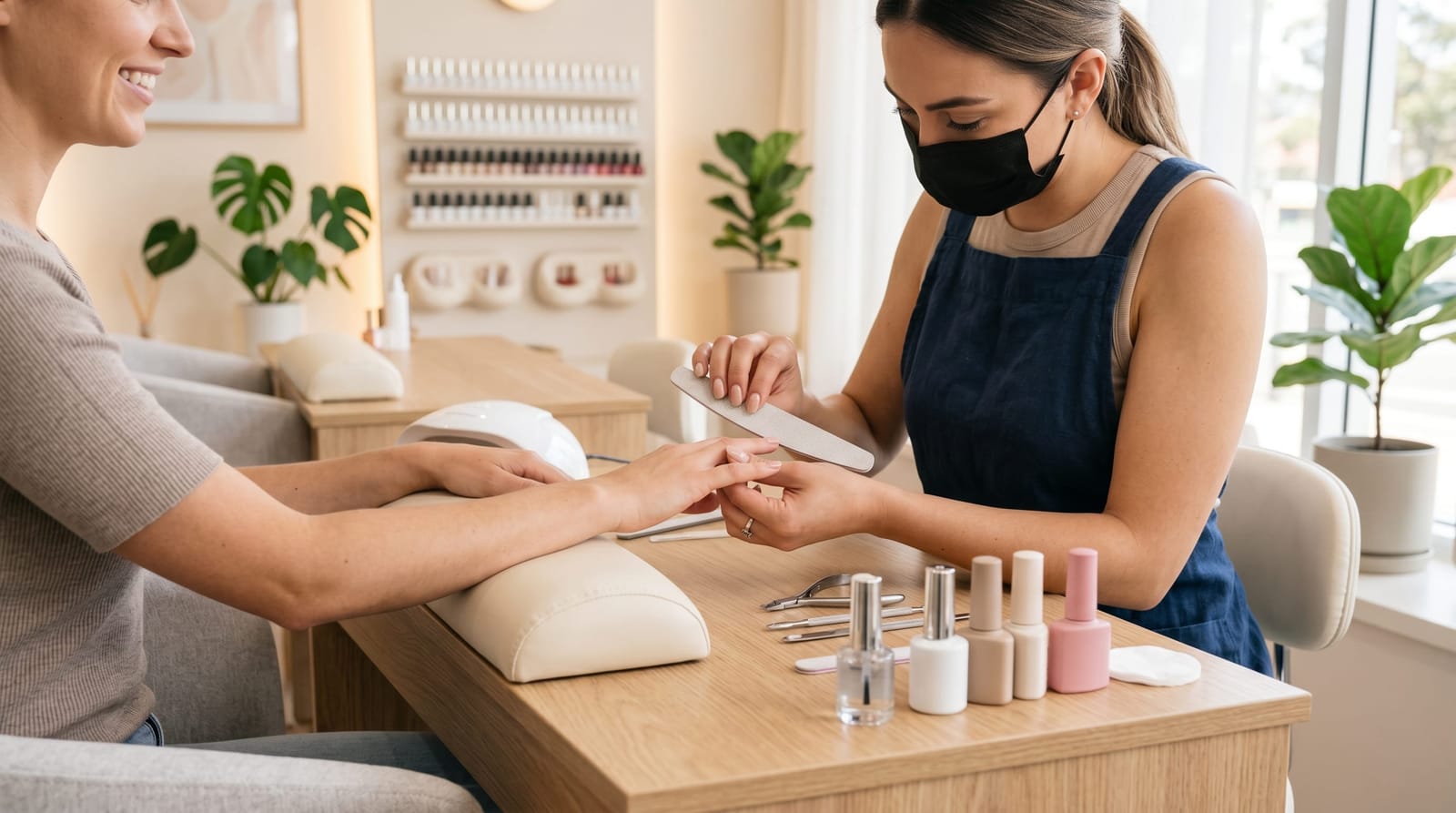
A hydrating, protein-rich manicure treatment can deliver concentrated nourishment directly to the nail bed and surrounding skin. These services typically include a gentle soak, cuticle care, a fortifying mask or serum, and a nail strengthener application: giving you an immediate improvement in nail flexibility and appearance.
Nail Repair Overlays
For severely damaged or split nails, a thin overlay using a lightweight hard gel or nail wrap can protect the nail while it grows out naturally. This is not the same as adding length: it simply shields the damaged nail from further breakage so your healthy nail beneath has a chance to emerge. Our team at Meraki routinely recommends this option for clients who want to strengthen damaged nails without masking the problem with thick acrylics.
At-Home Nail Care: Building a Daily Strengthening Routine
Professional treatments are most effective when supported by a consistent at-home routine. The combination is what produces real, lasting results. Here is a practical daily and weekly protocol to strengthen damaged nails between salon visits.
Daily Habits
- Apply cuticle oil morning and night. Jojoba oil, vitamin E oil, and almond oil are all excellent choices for keeping the nail bed and surrounding tissue hydrated. Dry cuticles crack and create entry points for bacteria while simultaneously allowing moisture to escape from the nail plate.
- Wear gloves for household tasks. Every time your hands are submerged in water or exposed to cleaning agents, your nails absorb and then lose moisture rapidly. Nitrile gloves are your nails' best friend.
- Apply a nail strengthener as a base coat. Use a dedicated strengthening formula every time you apply polish, or wear it alone for a "naked nail" treatment phase when you are trying to strengthen damaged nails without polish on top.
- Stay hydrated and eat protein-rich foods. Nails are protein structures. Eggs, lean meats, legumes, and nuts all support keratin production. Biotin-rich foods like eggs and almonds are particularly beneficial.
Weekly Maintenance
- File nails gently every two to four days. Light filing along the edges prevents snags and micro-tears that lead to peeling and breakage. Use a fine-grit file and always file in one direction: never back and forth, which causes fraying.
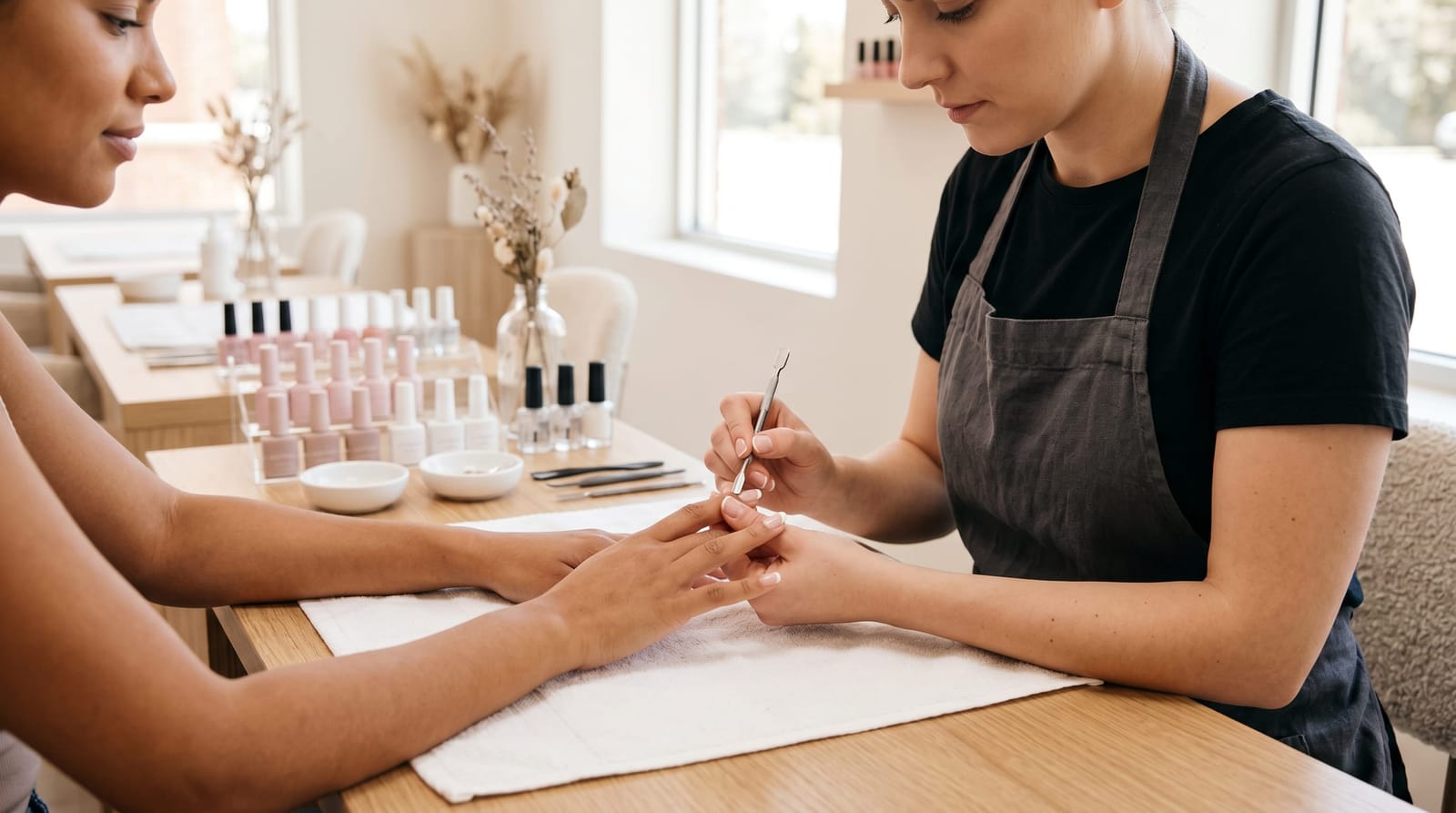
- Do a 10-minute cuticle soak. Warm water with a drop of olive oil softens cuticles so you can gently push them back without cutting, reducing the risk of damage or infection.
- Avoid picking or peeling polish. Peeling nail polish takes nail cells with it. Always remove polish with a gentle, acetone-free remover on a soft cotton pad.
The Role of Cuticle Health in Nail Strength
Many people overlook the connection between cuticle health and the ability to strengthen damaged nails, but it is a critical relationship. The cuticle is a thin layer of skin that seals the base of the nail, protecting the matrix: the area where new nail cells are produced. When cuticles are dry, cracked, or aggressively cut, that protective seal breaks down.
A compromised nail matrix produces weaker, thinner nail cells from the start. This means that even if you are applying strengtheners and eating well, you may not see the results you expect because the new growth itself is starting from a stressed origin point.
Consistent cuticle oil application is the single most impactful habit for long-term nail strength. Look for oils that contain vitamin E, which repairs the skin barrier, and jojoba, which most closely mimics the skin's natural sebum and absorbs quickly without leaving a greasy residue.
Avoid cutting cuticles aggressively. Gentle pushing after softening is sufficient for most people. If your cuticles are severely overgrown or damaged, ask a nail technician for a professional cuticle treatment rather than attempting to cut them at home.
What to Expect: A Realistic Timeline to Strengthen Damaged Nails
One of the most important things to understand when working to strengthen damaged nails is that nails grow slowly: approximately 3 to 4 millimeters per month on average. You are not repairing the existing damaged nail; you are supporting the growth of new, healthier nail from the matrix outward.
With consistent professional treatments and at-home care, most people begin to notice a meaningful improvement in 4 to 6 weeks. Full nail replacement, where the entire nail plate is new, healthy growth, takes approximately 3 to 6 months depending on how fast your nails grow and how damaged they were to begin with.
Set realistic expectations and track your progress by taking weekly photos in natural light. Small improvements in texture, flexibility, and appearance are signs the protocol is working, even before you see a dramatic change in length or strength.
Frequently Asked Questions
How long does it take to strengthen damaged nails?
With consistent care, including daily cuticle oil, a nail strengthener, protective habits, and good nutrition, most people see noticeable improvement in 4 to 6 weeks. Full recovery, where the entire nail plate is healthy new growth, typically takes 3 to 6 months. Patience and consistency are essential because you are growing new nail, not repairing the existing damaged plate.
Can I wear nail polish while trying to strengthen damaged nails?
Yes, but with care. Apply a nail strengthener as your base coat before color, and remove polish with a gentle, acetone-free remover. Many nail professionals recommend periodic "naked nail" phases, going without polish for a week or two, to give nails a break from product. Avoid gel or acrylics until the nail is significantly healthier unless a thin protective overlay is recommended by your nail technician.
Is biotin effective for strengthening weak nails?
Biotin (vitamin B7) has been shown in some studies to improve nail thickness and reduce splitting in people with brittle nails, particularly those with a biotin deficiency. It is found naturally in eggs, nuts, salmon, and sweet potatoes. If you prefer a supplement, consult your doctor before starting, as biotin at high doses can interfere with certain lab test results. It works best as part of a complete nail-strengthening strategy, not as a standalone solution.
What is the best nail strengthener to use at home?
The best nail strengthener for you depends on the type of damage. For thin, peeling nails, look for formulas with keratin peptides or hydrolyzed protein. For brittle, dry nails, choose a flexible strengthener with moisturizing ingredients rather than a hard calcium formula, which can make very dry nails more prone to cracking. Your nail technician can recommend a professional-grade option suited to your specific nail condition.
The Bottom Line on Strengthening Damaged Nails
Whether your nails have been weakened by gel services, chemical exposure, or nutritional gaps, you have every reason to be optimistic. The combination of professional nail strengthening treatments, smart at-home habits, consistent cuticle care, and proper nutrition creates a powerful protocol that delivers real results over time. If you are ready to give your nails the expert attention they need, our team at Meraki nail salon in Mountainside, NJ is here to help you build a personalized plan. Nail health is an ongoing commitment, and we are proud to support yours at every step.