Keratin Treatment Aftercare: How to Make Your Results Last Longer
You've invested in a keratin smoothing treatment NJ clients rave about, and now the real question is how to protect that investment. Getting a keratin smoothing treatment is just the first step. What you do in the weeks that follow determines whether your results last three months or closer to six. The good news? Proper aftercare is straightforward once you know the rules. This guide walks you through everything you need to do, from the first 72 hours post-treatment to your long-term maintenance routine, so your hair stays smooth, frizz-free, and beautifully healthy. Think of this as your step-by-step playbook for protecting your results and getting the most out of every treatment.
Step 1: Respect the Critical First 72 Hours
The first three days after your keratin smoothing treatment are the most important. During this window, the keratin formula is still bonding to your hair cuticle and completing the smoothing process. Disrupting that bond too early is one of the most common reasons results fade faster than expected.
What to Avoid in the First Three Days
- Water exposure: Keep hair completely dry for at least 72 hours. This includes rain, sweat, and humidity. Even a light misting can cause unwanted kinks or waves to form before the keratin has fully set.
- Hair ties and clips: Anything that creates a crease or indentation in your hair during this period can leave a permanent mark in the treated strands. Wear hair down or use a very loose, seamless tie only if absolutely necessary.
- Tucking hair behind your ears: This small, habitual movement creates a bend at the ear line that can set into the hair before the treatment cures.
- Sweaty workouts: Hold off on intense exercise for the first three days. Sweat has a similar effect to water exposure during this window.
Studies on keratin bonding suggest the cross-linking process that makes smoothing treatments effective is still active for up to 72 hours after application under heat. Rushing past this step is one of the top reasons clients report results fading 30 to 40 percent faster than expected.
Step 2: Switch to the Right Shampoo (This One Is Non-Negotiable)
After your keratin smoothing treatment, your shampoo choice becomes one of the most impactful decisions you'll make for your hair. Standard shampoos, even many marketed as "gentle", contain sulfates, which are cleansing agents that strip the keratin coating from your strands far too quickly.
Why Sulfate-Free Shampoo Matters So Much
Sulfates like sodium lauryl sulfate and sodium laureth sulfate are effective at removing buildup, but they're also highly alkaline. Keratin treatments work by smoothing the cuticle and sealing it with a protective protein layer. Sulfates essentially dissolve that layer over time, cutting your results short by weeks or even months.
Research on surfactant chemistry shows that sulfate-based shampoos can reduce the lifespan of a keratin treatment by up to 50 percent compared to sulfate-free alternatives. For a treatment that typically costs $200 to $450 depending on hair length and thickness, that's a significant difference in value.
At Meraki Salon, we recommend specific professional-grade sulfate-free shampoos that are formulated to be pH-balanced for post-keratin hair. These aren't just gentler: they're designed to actively maintain the smoothing results rather than passively avoid damaging them. For a deeper look at which products work best, check out our guide on keratin smoothing treatment NJ shampoo selection, where we break down ingredients to look for and what to avoid.
How Often Should You Wash?
Washing hair less frequently also extends your keratin smoothing treatment results. Most clients do well washing 2 to 3 times per week rather than daily. Dry shampoo, used sparingly between washes, can help manage roots without compromising your treatment.
Step 3: Protect Hair from Chlorine and Salt Water
Chlorine and salt water are two of the most damaging elements for a keratin smoothing treatment. Both are highly effective at stripping the keratin protein layer from your hair, and neither gives you much warning before the damage shows up as frizz and lost smoothness.
Pool and Ocean Prep
If you plan to swim, preparation is everything. Before entering the water, thoroughly saturate your hair with clean, fresh water. This reduces how much chlorinated or salt water your strands absorb. Following up immediately with a rinse and your sulfate-free shampoo helps minimize exposure time.
Wearing a swim cap offers the most protection for your keratin smoothing treatment. While it's not always the most stylish option, it keeps results intact significantly longer for regular swimmers. Clients who swim frequently without protection often notice their results fading within 6 to 8 weeks instead of the typical 3 to 5 months.
Apply a leave-in conditioner or hair oil before exposure to chlorine or salt water as an added barrier. Argan oil and similar lightweight oils create a thin protective layer over the cuticle that helps slow product penetration.
Step 4: Use Heat Styling Strategically
One of the best things about a keratin smoothing treatment is that your daily styling time drops dramatically: sometimes by 50 to 70 percent. But using heat tools thoughtlessly can undo your results faster than necessary.
Best Practices for Heat After a Keratin Treatment
Always apply a heat protectant before using a flat iron, blow dryer, or curling tool. Even though keratin-treated hair is generally more resilient, heat protectant prevents moisture loss and surface damage that can roughen the cuticle over time.
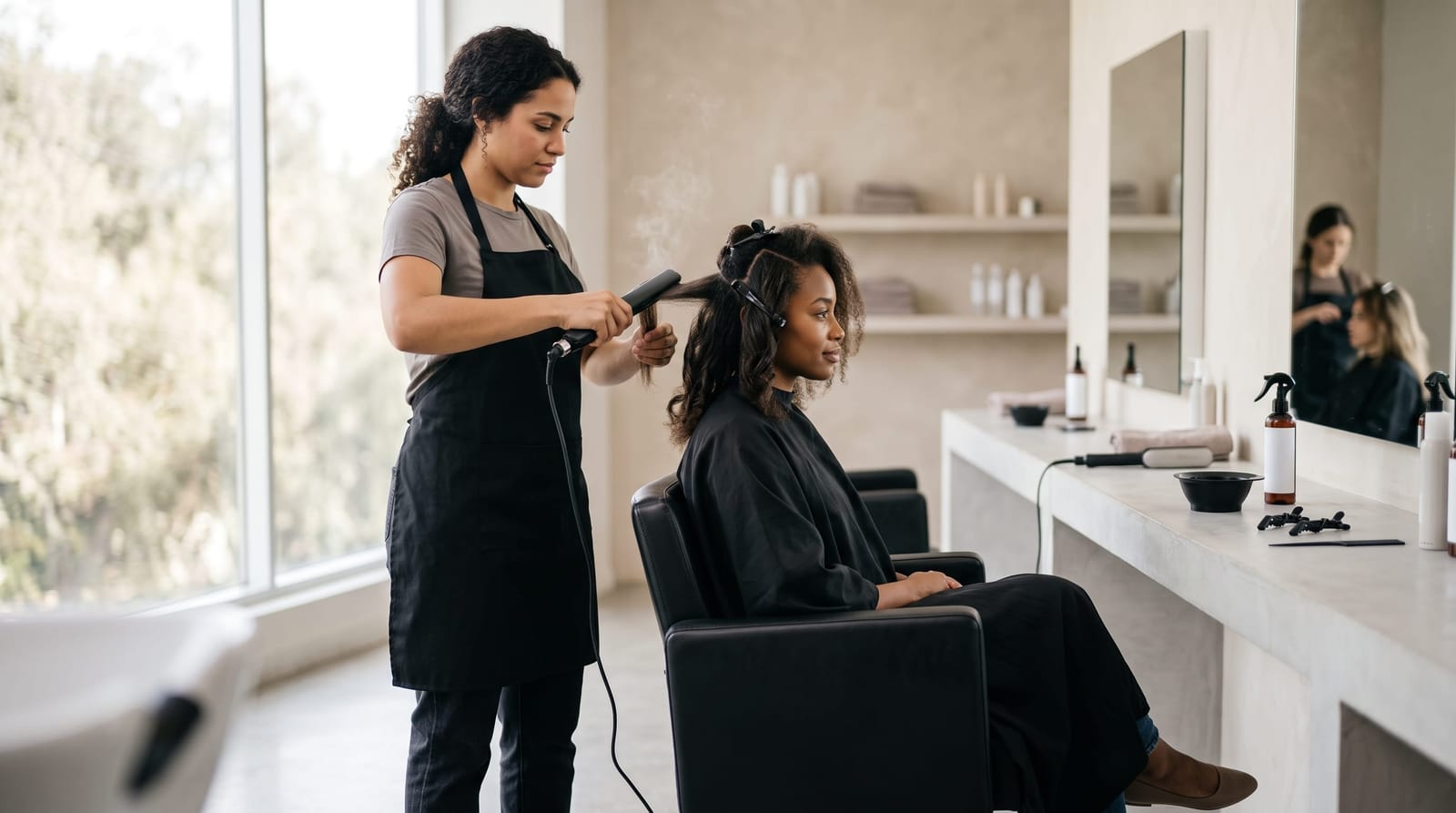
Keep flat iron temperatures at or below 380°F for fine to medium hair. Coarser or thicker hair may tolerate up to 410°F, but consistently high heat accelerates the breakdown of the keratin bond. Lower heat, used efficiently, is always the smarter approach for longevity.
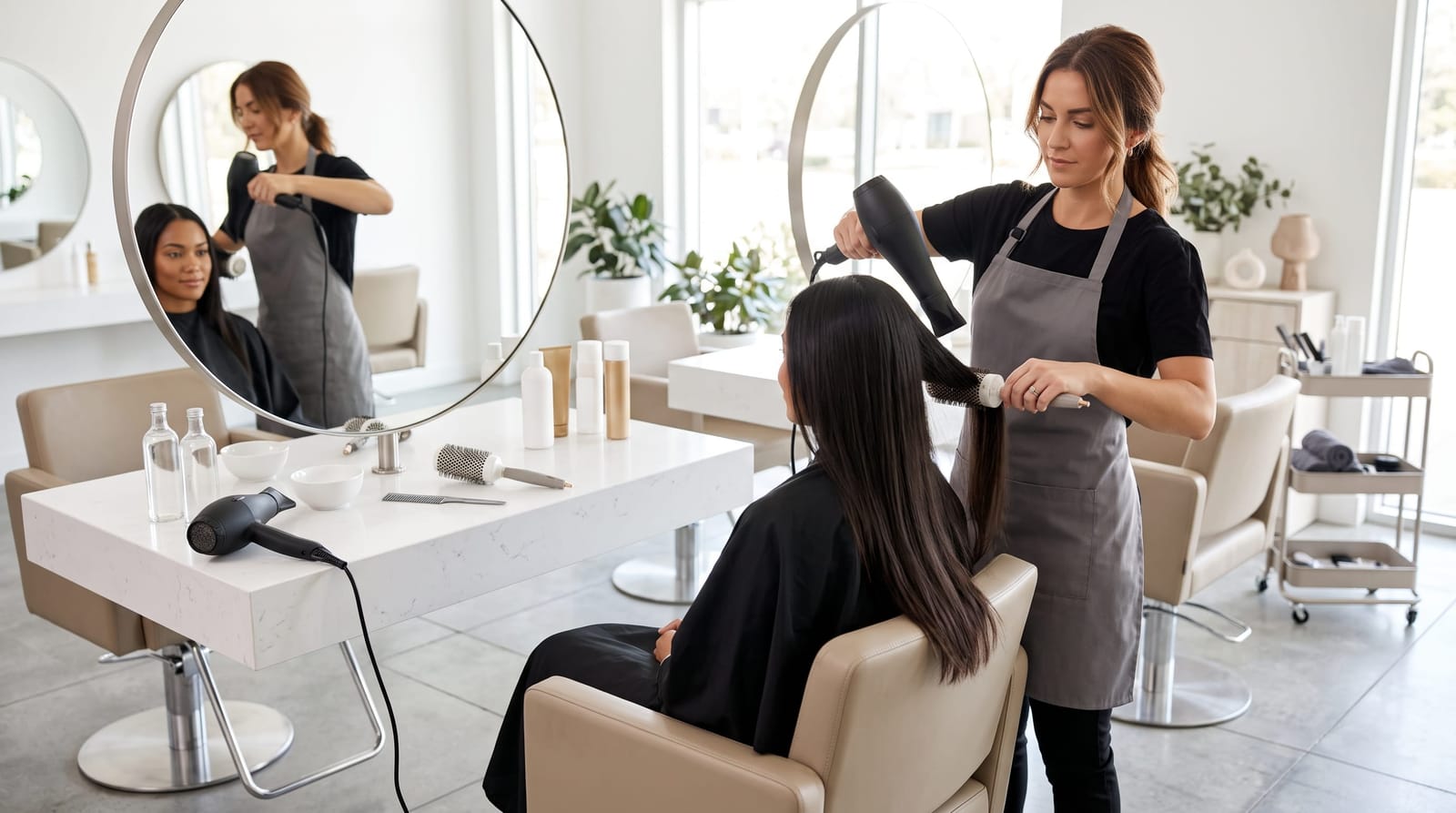
When blow drying, use a medium heat setting rather than high, and keep the dryer moving steadily rather than concentrating on one section. A boar bristle brush or paddle brush helps smooth the cuticle as you dry, maintaining that glassy finish your keratin smoothing treatment is known for.
If you're curious about how your hair type affects heat tool recommendations and overall keratin results, our post on keratin treatment hair types covers how different textures respond and what that means for your specific maintenance routine.
Step 5: Adjust Your Sleeping Routine
This step surprises many clients, but sleeping habits have a real impact on how long a keratin smoothing treatment lasts. Hours of friction against a cotton pillowcase, night after night, gradually roughens the hair cuticle and accelerates frizz.
Simple Bedtime Swaps That Make a Difference
Switch to a silk or satin pillowcase. These materials create significantly less friction than cotton. Clients who make this swap often report noticeably smoother hair in the morning and better overall results between treatments. A quality silk pillowcase is a one-time investment that pays off in extended keratin results.
Sleep with hair loosely contained. A loose braid or low bun secured with a silk scrunchie (not a rubber band or tight elastic) prevents tangling while you sleep. Knot-free mornings mean less mechanical stress on treated strands.
Apply a lightweight hair oil before bed. A few drops of argan or marula oil smoothed over the lengths and ends adds moisture, reduces overnight friction, and keeps hair looking polished by morning.
Step 6: Know When to Schedule a Gloss Refresh or Repeat Treatment
Even with perfect aftercare, a keratin smoothing treatment has a natural lifespan. Most treatments last between 3 and 5 months, though clients with very fine hair may notice changes closer to 10 to 12 weeks, while those with coarser hair and diligent maintenance can stretch results to 5 to 6 months.
Signs It's Time to Return to the Salon
- Your blow-dry time is creeping back up toward your pre-treatment routine
- Frizz is returning at the roots or throughout the mid-shaft
- Hair feels rougher or less manageable in humidity
- Your style doesn't hold as long as it did in the first two months
A gloss refresh, a lighter, in-salon treatment, can extend results before committing to a full repeat treatment. This is a great option for clients who want to maintain smoothness without the cost or time of a full application every few months. Understanding keratin treatment duration and what the week-by-week experience looks like helps set realistic expectations for when to plan your next appointment.
If you're considering color services alongside your smoothing treatment, timing matters. Our guide on hair color after keratin treatment explains the recommended spacing between services so you can enjoy both without compromising either result.
Meraki's Recommended Aftercare Products
Aftercare products aren't just a nice addition: they're a core part of how long your keratin smoothing treatment NJ clients experience results that last. At Meraki Salon, our stylists curate specific product recommendations for each client based on their hair type, texture, and lifestyle.
Our go-to recommendations typically include a professional sulfate-free shampoo and conditioner set, a weekly hydrating mask to replenish moisture without disrupting the keratin bond, a lightweight heat protectant for daily styling, and a finishing oil for frizz control and shine. These products are chosen specifically because they complement rather than compete with the treatment chemistry.
Generic drugstore products, even those labeled "keratin-safe", vary widely in formulation. Professional-grade products recommended by your stylist have been tested for compatibility and are far more likely to deliver consistent results. Clients who follow Meraki's full product protocol consistently report that their keratin smoothing treatment results last 20 to 30 percent longer than clients using unverified alternatives.
Related Details Worth Exploring
For clients who want to go even deeper on the specifics of aftercare, we've put together additional resources that complement this guide. Our detailed breakdown on keratin smoothing treatment NJ shampoo options covers ingredient lists, top product picks, and what certifications to look for on the label. And if you're comparing the investment against your expected results, our post on keratin smoothing treatment NJ pricing explains what factors affect cost and how to assess the value of different service options available in New Jersey.
Keeping Your Results Beautiful: The Final Word
A keratin smoothing treatment is one of the most effective ways to transform your daily hair routine. But results are a partnership between your stylist's skill in the salon and your consistency at home. Protect the first 72 hours, commit to sulfate-free products, guard against chlorine and salt water, be intentional about heat, and adjust your sleeping habits. Those five steps alone can extend your results from a few months to closer to half a year.
Ready to book your keratin smoothing treatment at Meraki Salon in NJ, or have questions about which treatment fits your hair type? Contact our team today: we're happy to walk you through your options and create a personalized aftercare plan that fits your lifestyle.