Nail Health and Cuticle Care Treatments
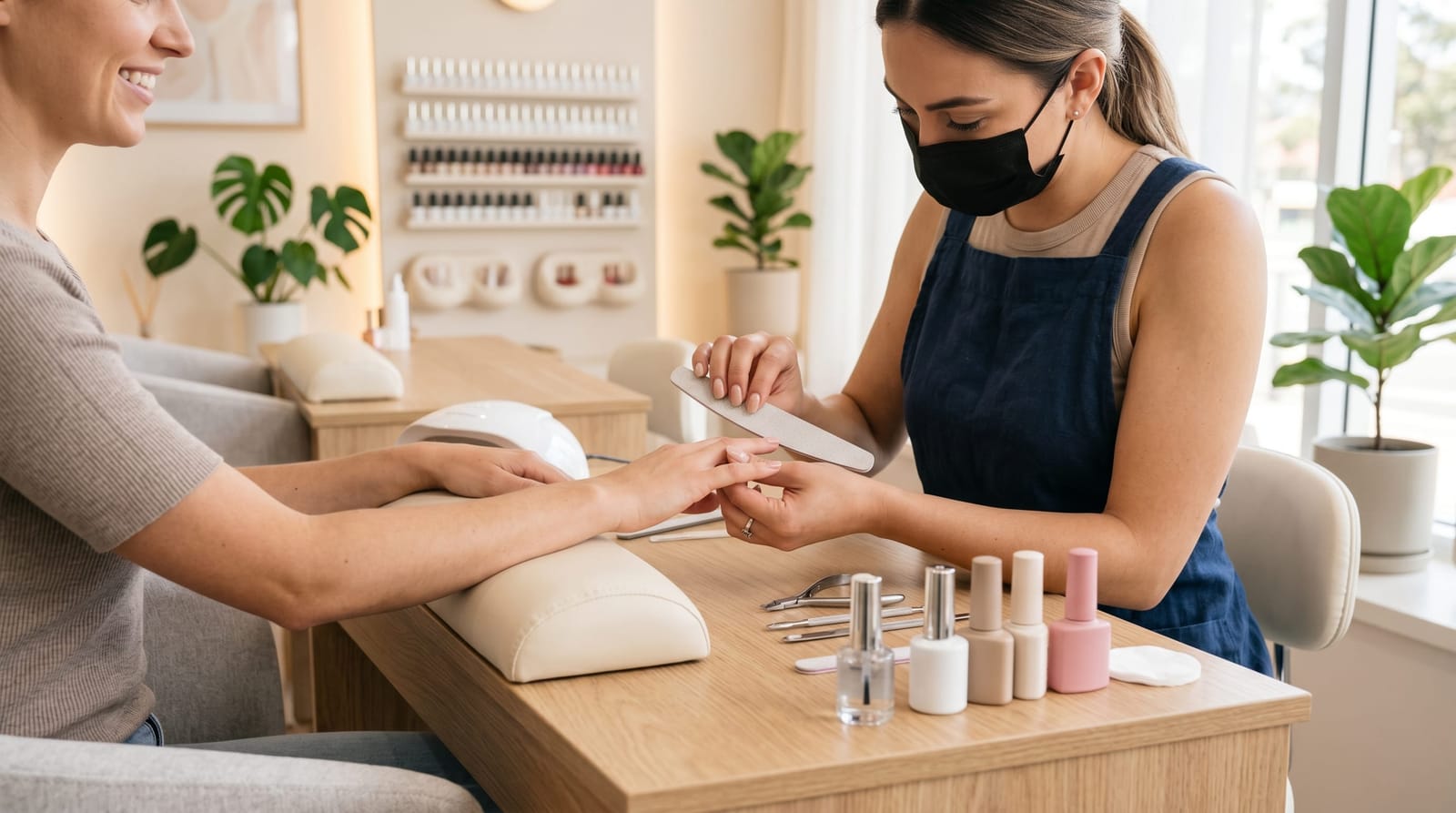
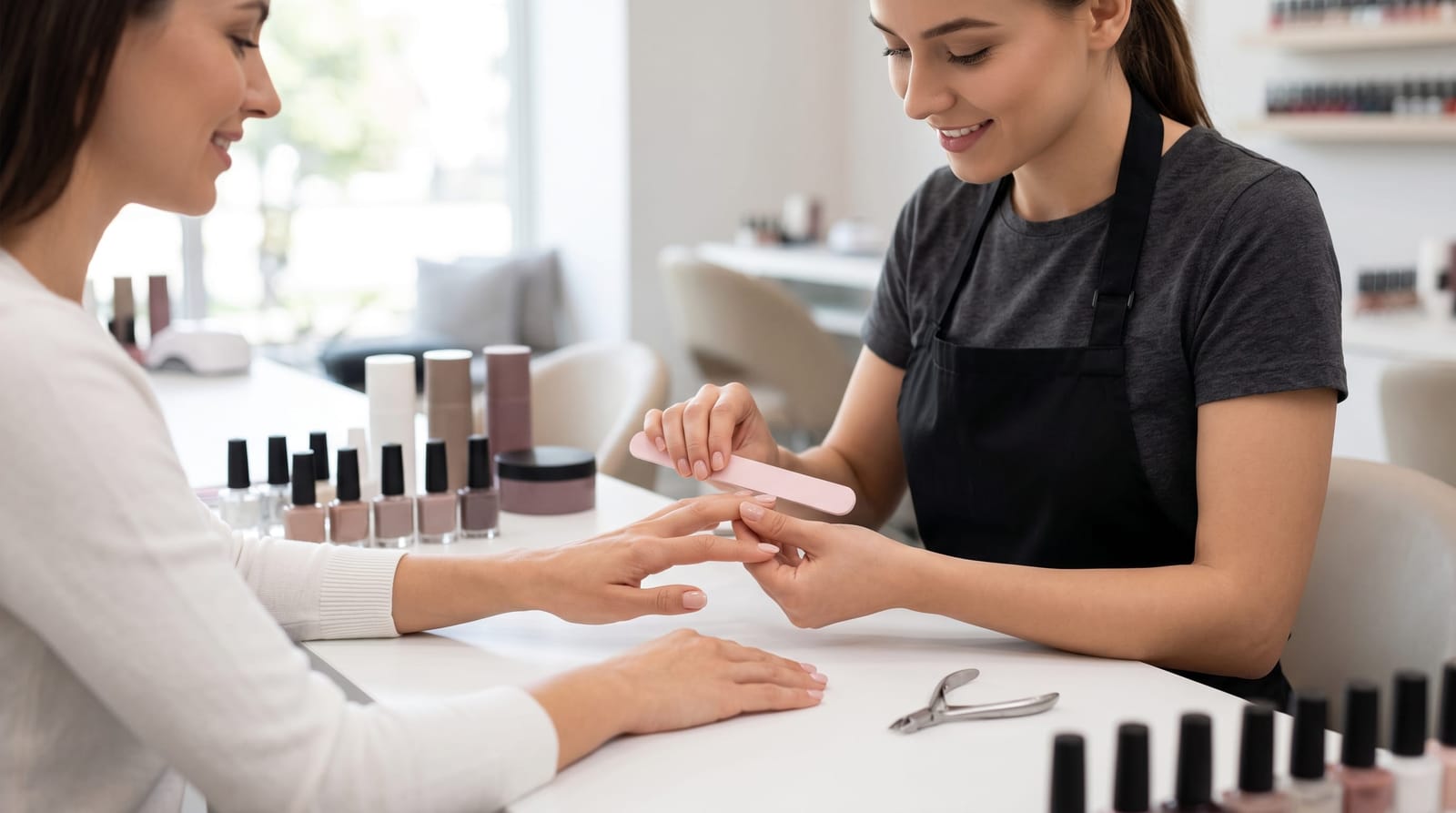
When most people think about nail services, they picture polish colors, gel finishes, and nail art. But the foundation of truly beautiful nails goes much deeper than surface-level style. As part of our complete nail care philosophy at Meraki Salon, nail health treatment in NJ is one of the most important conversations we have with our clients. Healthy nails hold polish better, grow stronger, and simply look more polished, even without a single drop of color. In this guide, we're breaking down everything you need to know about cuticle care, nail strengthening treatments, hydration, and how to maintain healthy nails between your salon visits. Whether your nails feel dry and brittle or you're dealing with peeling and breakage, the right approach makes a lasting difference.
Why Nail Health Matters More Than Most People Realize
Your nails are more than a canvas for color: they're actually a reflection of your overall wellness. Dermatologists and nail care professionals alike recognize that the condition of your nails can signal everything from nutritional deficiencies to dehydration to hormonal shifts. According to the American Academy of Dermatology, brittle nails affect an estimated 20% of the population, with women experiencing the condition at higher rates than men. That's a significant number of people dealing with nails that chip, peel, or simply refuse to grow beyond a certain length.
At a professional salon level, nail health treatment in NJ begins with a thorough assessment of what your nails actually need. Not every nail concern requires the same solution. Peeling nails often signal dehydration or over-exposure to water and harsh chemicals. Ridged nails may point to iron deficiency or natural aging. Soft, bendy nails can result from too much moisture or a lack of protective protein layers. Understanding the root cause is what separates a truly restorative treatment from a temporary cosmetic fix.
The good news is that with consistent professional care combined with smart at-home habits, most common nail concerns are highly manageable. Many clients begin seeing visible improvement in nail texture and strength within four to six weeks of starting a targeted nail health routine.
The Role of Cuticle Care in Nail Health
The cuticle is one of the most misunderstood parts of the nail. Functionally, it serves as a protective seal between your nail plate and the skin around it, acting as a natural barrier against bacteria, moisture imbalance, and environmental irritants. When cuticles are neglected, cut too aggressively, or dried out, that barrier breaks down, and that's when problems begin.
Hydrating Cuticle Treatments
Professional hydrating cuticle treatments use nourishing oils and emollients, often containing ingredients like jojoba oil, vitamin E, sweet almond oil, and shea butter, to deeply condition both the cuticle and the surrounding skin. These treatments soften hardened cuticle tissue, reduce hangnails, and restore the moisture balance that everyday hand washing and sanitizer use strips away. Studies suggest that regular use of cuticle oils can increase nail flexibility and reduce breakage by maintaining proper hydration levels in the nail plate itself.
Professional Cuticle Maintenance vs. DIY
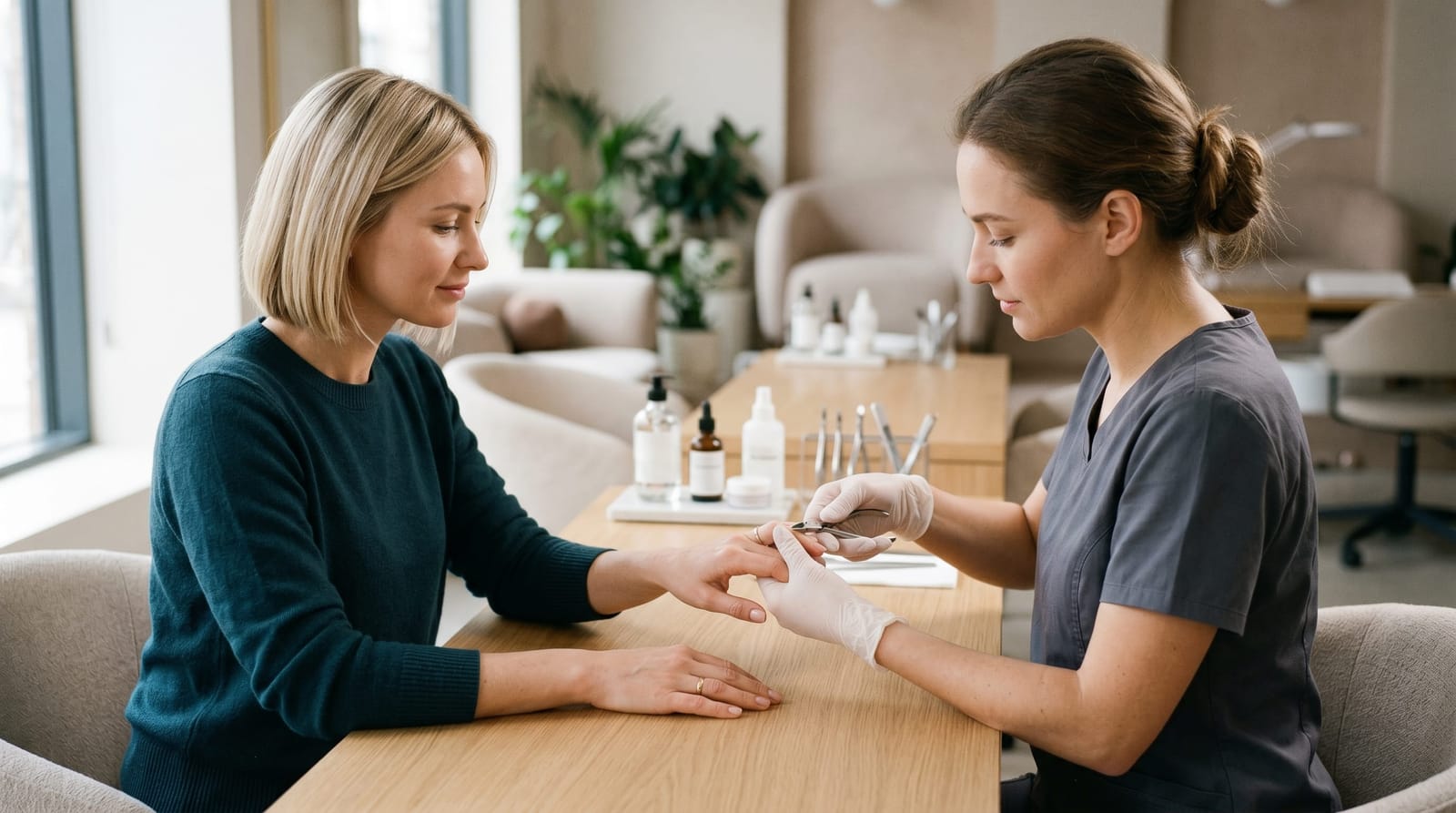
There's an important distinction between professional cuticle care and at-home trimming. Aggressive cutting of the cuticle, especially at home with unsanitized tools, can increase the risk of infection and permanently damage the nail matrix, the area responsible for nail growth. Professional nail technicians are trained to gently push back and remove only the dead cuticle tissue (called the pterygium) using proper technique and sanitized implements. The result is a clean, healthy nail base without compromising your skin's natural protection.
Nail Strengthening Treatments: What Actually Works
Nail strengthening is one of the most requested nail health treatments in NJ, and it's easy to understand why. Weak, brittle nails can make everyday tasks frustrating and leave you feeling less than confident. The professional nail care industry has developed several effective approaches to restoring nail strength, and understanding your options helps you make the best choice for your specific concerns.
Keratin-Based Nail Treatments
Since nails are made primarily of a protein called keratin, treatments that reinforce the keratin structure can make a significant impact. Professional keratin nail treatments penetrate the nail plate to fill in microscopic gaps and weak points, resulting in nails that are noticeably more resilient. Many clients see measurable improvement, nails that can grow up to 25% longer before breaking, after a consistent series of keratin-infused treatments paired with protective topcoats.
Nail Hardeners and Strengthening Base Coats
Quality nail hardeners, applied correctly by a professional, create a reinforcing layer over the natural nail without making it so rigid that it becomes prone to snapping. The key is finding the right balance: nails need a degree of flexibility to withstand daily use. Overly hardened nails can actually become more brittle over time, which is why professional guidance matters. A skilled nail technician at Meraki can assess whether your nails need a hardening approach or a flexibility-restoring treatment.
Biotin and Nutritional Support
While topical treatments work on the nail's exterior, internal nutrition plays an equally important role. Biotin (vitamin B7) is one of the most studied nutrients for nail health, with research showing that biotin supplementation can increase nail plate thickness by approximately 25% in individuals with brittle nails. Combining professional nail treatments with mindful nutrition, including adequate protein, zinc, and iron, creates the most comprehensive path to genuinely stronger nails.
Recognizing When to Seek Professional or Medical Attention
Salon nail care addresses a wide range of common concerns beautifully, but there are situations where professional medical attention is the appropriate next step. Knowing the difference is an important part of responsible nail health awareness.
Signs That Go Beyond Salon Care
Discoloration that appears yellow, brown, or greenish, significant thickening of the nail plate, nail separation from the nail bed (called onycholysis), or deep horizontal lines across multiple nails are signs that warrant a visit to a dermatologist. In New Jersey, board-certified dermatologists are trained to diagnose and treat nail disorders including fungal infections, psoriasis affecting the nails, and bacterial infections. Early intervention is genuinely important here, untreated fungal nail infections, for example, affect an estimated 10% of the general population and up to 50% of adults over 70, and they rarely resolve without targeted medical treatment.
The most important takeaway: a professional nail technician who notices something unusual should always recommend a medical consultation rather than attempting to cover or treat a potential nail disorder with salon products. At Meraki, your nail health and safety always come first.
Maintaining Nail Health Between Appointments
Professional treatments lay the foundation, but what you do between appointments has an enormous impact on the results you maintain. Building a simple, consistent at-home nail care routine doesn't need to be complicated, just intentional.
Daily Habits That Protect Your Nails
- Moisturize consistently: Apply a nourishing hand cream or cuticle oil at least once daily, especially after washing your hands. Nighttime application is particularly effective since your skin absorbs moisture more readily during rest.
- Wear gloves for household tasks: Cleaning products, hot water, and prolonged exposure to moisture are among the leading causes of nail dehydration and brittleness. Rubber gloves during dishes and cleaning take less than 30 seconds to put on and can make a visible difference.
- Avoid using nails as tools: Opening packages, scraping surfaces, and prying objects with your nails creates micro-fractures in the nail plate that lead to peeling and breakage over time.
- File correctly: Always file in one direction using a fine-grit file. Back-and-forth sawing motions create fraying at the nail edge, making nails more susceptible to tearing.
- Stay hydrated: Internal hydration directly affects nail moisture levels. Drinking adequate water, the commonly cited goal of around 8 cups per day, supports nail flexibility from the inside out.
Choosing the Right Nail Products
Not all nail polishes and removers are created equal when it comes to nail health. Acetone-based removers, while effective, are significantly more drying than acetone-free alternatives. If you're managing brittle or dehydrated nails, alternating between a gentler remover and following up with cuticle oil after every removal session goes a long way. Similarly, choosing polishes labeled as free of formaldehyde, toluene, and dibutyl phthalate, commonly called "3-free" or beyond, reduces unnecessary chemical exposure to the nail plate.
How Nail Health Connects to Your Full Nail Service Experience
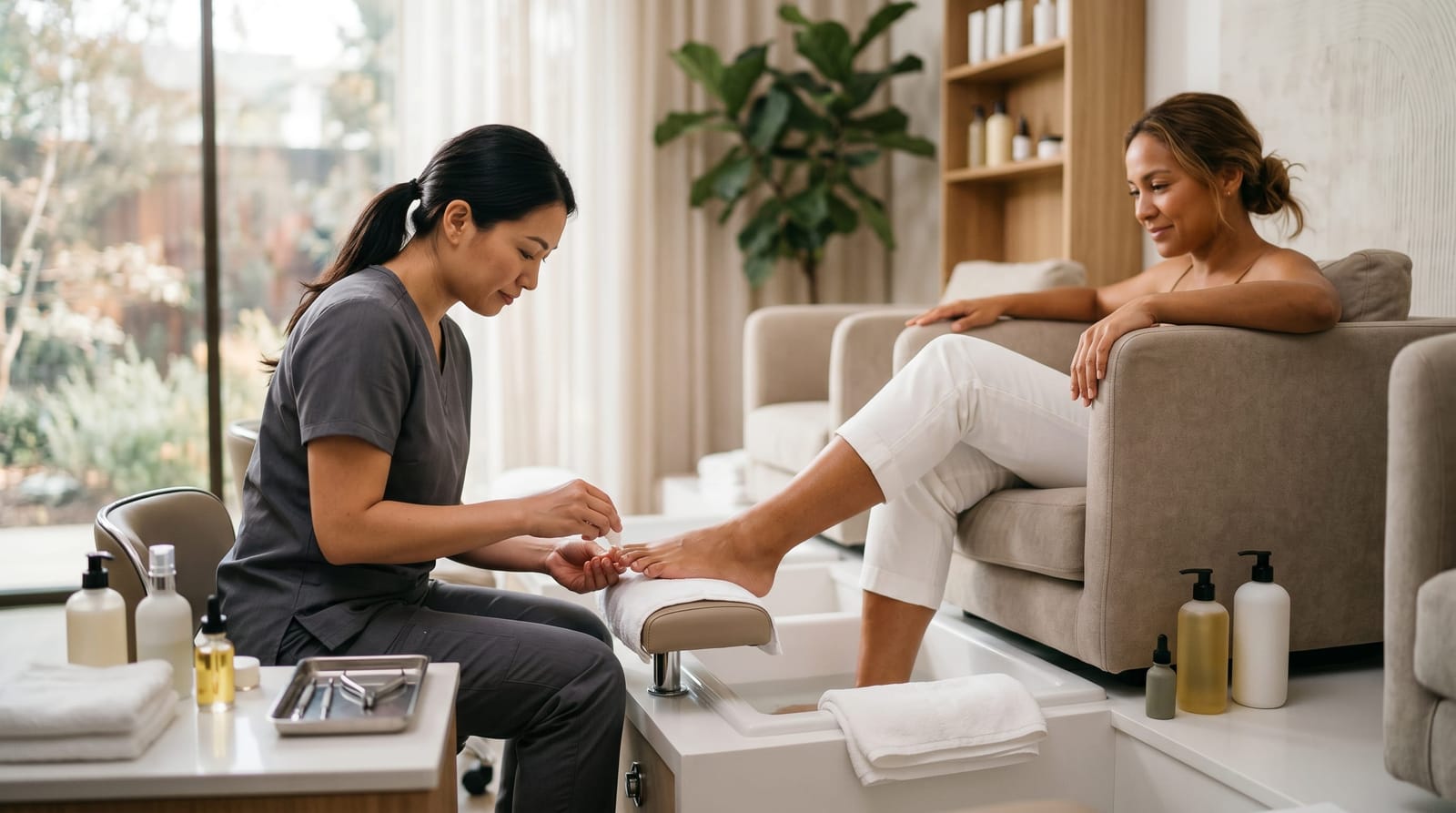
Nail health isn't a separate concern from your regular nail services: it's what makes every service perform better and last longer. Gel and shellac manicures adhere more evenly and last significantly longer on nails that are well-hydrated and properly conditioned. If you're curious about your options for professional nail services, our manicure Westfield NJ service page walks through classic, gel, and shellac choices in detail. For clients who want a full pampering experience that incorporates foot and nail care together, exploring pedicure Mountainside NJ services is a wonderful complement to your hand nail care routine.
Many clients who start with a nail health treatment find themselves more confident experimenting with refined nail art and finishes. If you're drawn to refined, polished looks, our French manicure nail art NJ services are a natural next step once your nails are at their healthiest. And for clients dealing specifically with fragile or damaged nails, our dedicated resource on how to strengthen damaged nails offers deeper guidance tailored to nail recovery.
Related Nail Health Topics to Explore
Nail health is a broad topic with many specific areas worth exploring in depth. Some of the detailed topics that connect to this guide include understanding the best approaches to strengthen damaged nails, identifying the difference between normal nail changes and those that signal an underlying concern, and learning how professional nail services can be adapted for clients with sensitive skin or compromised nails. As we continue building out our nail care content, these detailed resources will give you an even more complete picture of what professional nail health care looks like at every level.
Conclusion: Strong, Healthy Nails Start with the Right Care
Beautiful nails and healthy nails are not two separate goals: they are the same goal. When your nails are genuinely healthy, they look better, hold services longer, and give you lasting confidence that no amount of polish alone can create. At Meraki Salon, nail health treatment in NJ is woven into everything we do, from how we approach cuticle care to the products we select for strengthening and hydration. Whether you're starting from scratch or looking to elevate an existing routine, our team is here to help you build a nail care approach that truly works for you. Book your nail health consultation with us today and let's create a plan for nails you'll genuinely love.