What Is a Hair Gloss vs. Glaze? Understanding Toning Treatments After Balayage
If you've ever left a balayage appointment with that perfect, luminous color and wondered how your stylist made it look so polished and cohesive, chances are a toning treatment was part of the process. Hair gloss and hair glaze are two of the most commonly used finishing treatments in the salon, and while the names sound nearly identical, they work quite differently. Whether you're planning your first balayage appointment or looking to maintain your existing color, understanding the difference will help you get exactly the results you're hoping for.
The Core Difference Between a Hair Gloss and a Hair Glaze
At their most basic level, both gloss and glaze treatments add shine and refine color tone, but the way they achieve that is where they diverge.
A hair gloss is a semi-permanent toning treatment that works by penetrating the hair's outer cuticle layer. Because it opens the cuticle slightly (using a low-volume developer), it deposits color from within, creating results that are richer, more dimensional, and longer-lasting. In a professional salon setting, a gloss can last anywhere from two to four weeks, sometimes longer depending on your hair's texture and how frequently you shampoo.
A hair glaze, on the other hand, is a surface-level treatment. It doesn't open the cuticle: instead, it coats the outside of each strand with a thin layer of shine and subtle color. The effect is beautiful and immediate, but because it sits on top of the hair rather than inside it, it tends to fade more quickly, typically within a week or so of washing.
Think of it this way: a gloss works from the inside out, while a glaze works from the outside in. Both can enhance your color beautifully: the right choice simply depends on your hair goals and how often you want to refresh your look.
When a Gloss Makes Sense After Balayage
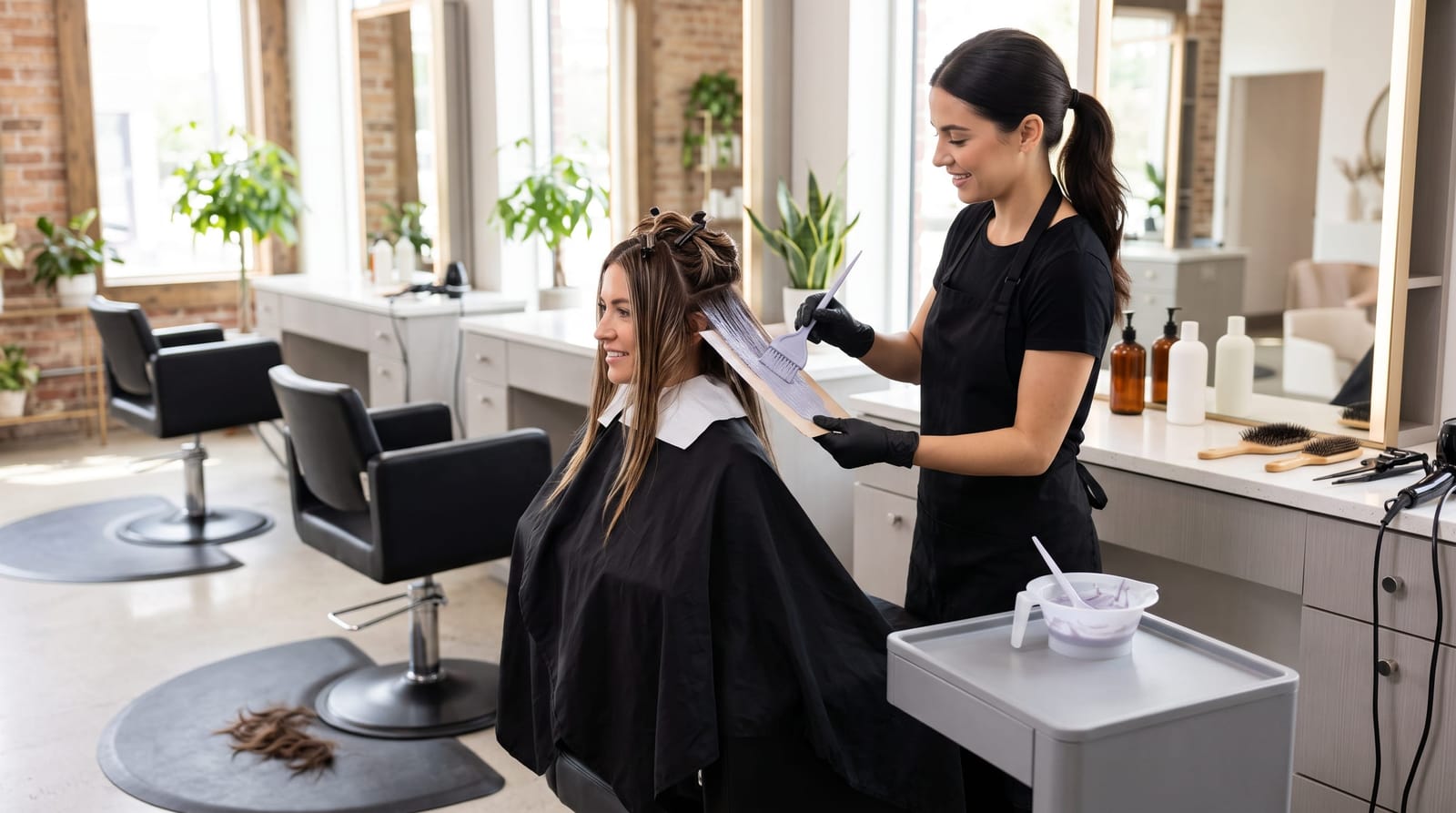
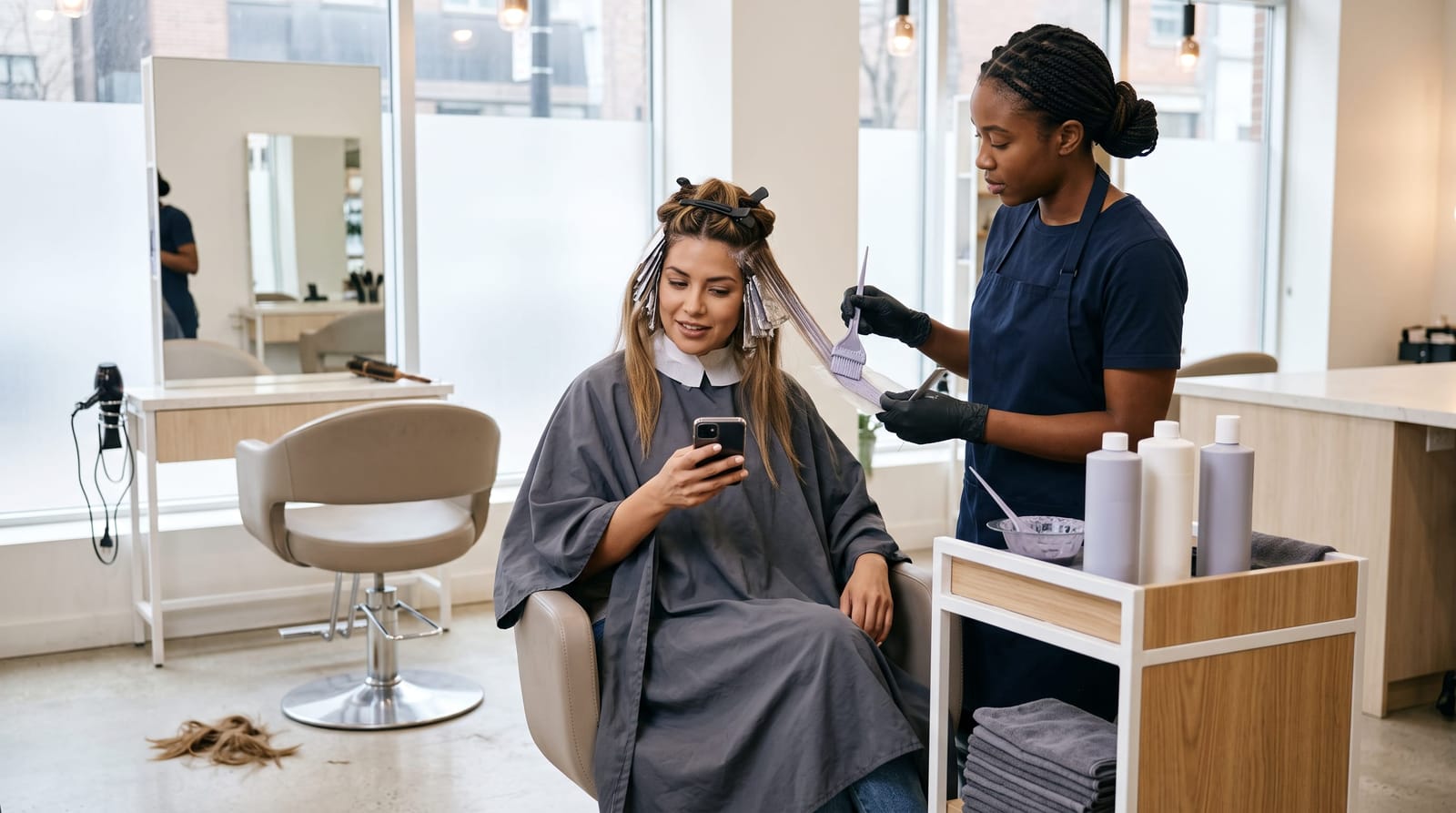
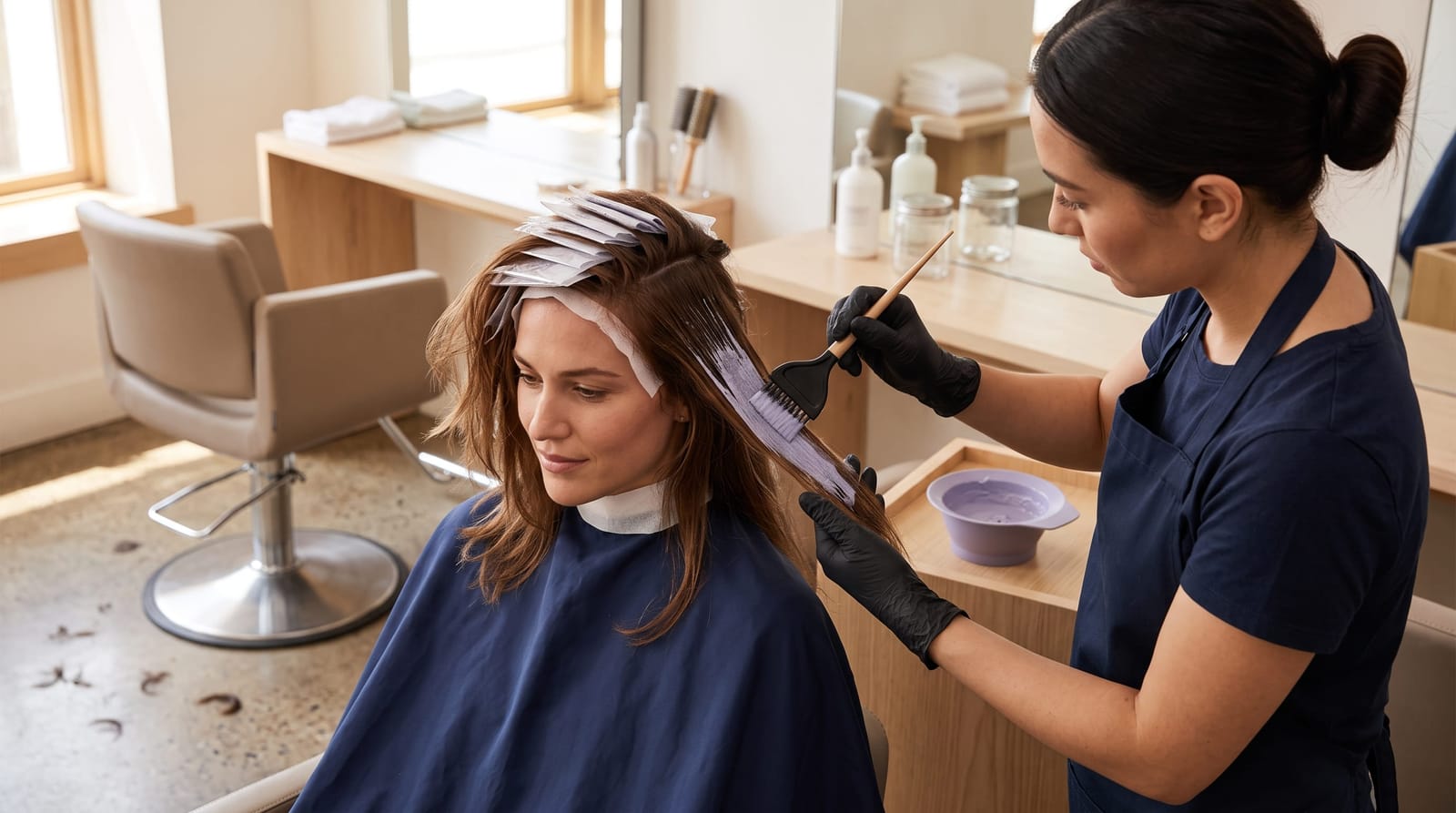
Balayage is a hand-painted lightening technique that creates soft, natural-looking gradients through the hair. Because lightening opens the cuticle and can affect the tone of your color, sometimes leaving behind warm, brassy, or yellow undertones, a toning step is almost always part of a complete balayage service.
A hair gloss is the go-to choice when you want that toning to last. It's ideal for:
- Neutralizing unwanted warmth or brassiness after lightening
- Refreshing faded balayage between appointments
- Deepening the contrast between your base color and highlighted pieces
- Adding richness and depth to color that has gone flat over time
- Creating a more polished, cohesive finish across the whole look
At Meraki Salon, a gloss is often recommended as a standalone appointment between your regular balayage sessions. It's a great way to keep your color looking intentional and fresh without committing to a full lightening service every visit. Understanding your hair color touch up frequency can help you decide how often a gloss appointment belongs in your routine.
When a Glaze Is the Right Choice
A glaze is a gentler, lower-commitment option, and that's exactly what makes it useful in the right situations. Because it doesn't penetrate the cuticle, there's no developer involved, which means it's a very low-risk treatment for all hair types, including color-treated, fine, or more delicate hair.
A hair glaze works beautifully when you:
- Want a quick shine boost before a special occasion or event
- Have freshly done balayage that just needs a little extra polish at the end of a service
- Are in between toning appointments and want a temporary refresh
- Prefer to avoid any chemical processing but still want a more vibrant, reflective finish
Glazes are also a lovely option if you're relatively new to color and want to ease into toning without jumping straight to a semi-permanent treatment. They can be added to the end of almost any color appointment as a finishing step, leaving your hair with that just-styled, salon-fresh quality.
How Meraki Uses Gloss and Glaze to Elevate Color Results
At Meraki Salon in the Westfield and Mountainside area, toning treatments are considered an essential part of a well-crafted color service, not an afterthought. Your stylist will assess your hair's current tone, your natural undertones, and the overall look you're going for before recommending a gloss or glaze as part of your appointment plan.
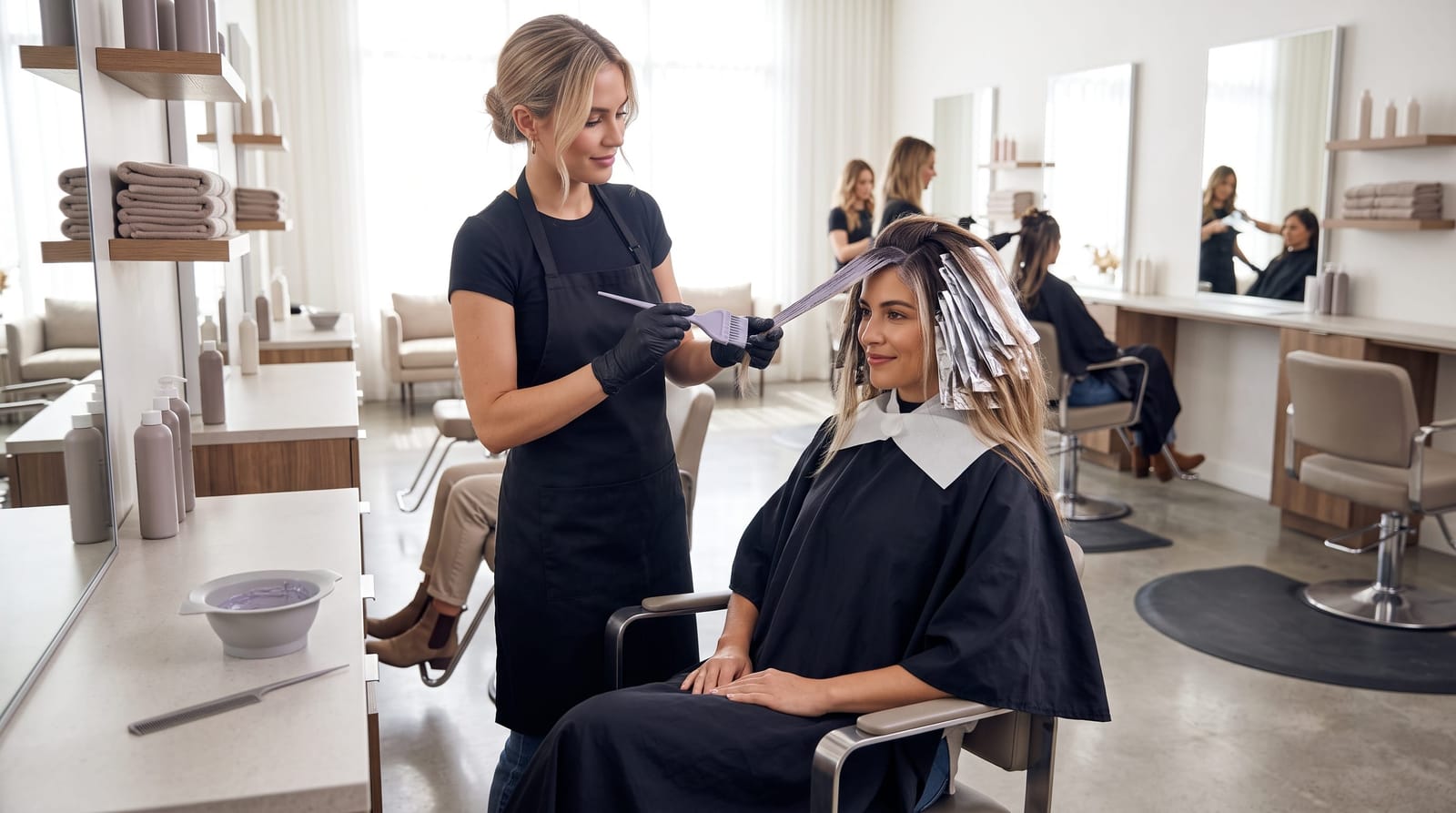
For most balayage clients, a gloss is applied immediately after lightening to seal in the color and neutralize any unwanted warmth. The result is a more finished, intentional look right from the start, not just highlights sitting on top of your natural color, but a complete, dimensional tone that works in harmony across the whole head.
For clients coming in for a maintenance visit or a blowout refresh, a glaze might be added as a standalone add-on to revive shine and extend the life of their color between balayage appointments. It's a quick, no-fuss treatment that makes a noticeable difference, especially heading into a new season. If you're curious about how to keep your color looking its best through warmer months, tips for keeping balayage looking fresh all summer are something your stylist can walk you through during your consultation.
The goal at Meraki is always to tailor each service to your individual hair, and gloss and glaze treatments are two of the most versatile tools in that process.
Frequently Asked Questions
Is a hair gloss the same as a toner?
They're closely related but not exactly the same thing. A toner is a broad term for any treatment used to adjust or neutralize hair color tone. A gloss is one type of toner: typically a semi-permanent formula with a glossing or shine-boosting benefit built in. Your stylist may use the terms interchangeably in conversation, but a gloss specifically refers to that semi-permanent, cuticle-penetrating category of toning treatment.
Can I get a gloss or glaze if I haven't had balayage?
Absolutely. Both treatments work on natural, highlighted, or previously colored hair. A glaze is especially popular for people who want to enhance their natural color's shine without adding chemical color. A gloss can deepen or enrich tone on natural hair just as effectively as it can refine the look of highlighted hair.
How long does a gloss appointment take at the salon?
A standalone gloss appointment is typically quick, often 30 to 45 minutes including processing time. When added to a balayage or color service, it's built into the overall appointment timeline. Your stylist at Meraki can give you a more specific time estimate based on your hair length, texture, and the result you're going for.
Will a gloss or glaze change my hair color dramatically?
Neither treatment is designed for dramatic color change. Both are used to refine, tone, and enhance your existing color rather than transform it. If you're looking for a significant color shift, that conversation would start with a full color consultation. Gloss and glaze are best thought of as finishing and maintaining tools: they perfect what's already there.
Bringing It All Together
Gloss and glaze treatments might seem like small details in the world of hair color, but they're often what separates a good result from a truly polished one. A gloss offers lasting tone and depth, making it a natural companion to balayage appointments. A glaze offers a lighter, temporary shine enhancement that's ideal for refreshing between visits. At Meraki Salon, both are used intentionally: always in service of healthy, beautiful hair that feels personal to you. If you're curious about which treatment belongs in your next appointment, your stylist is always happy to talk it through during your consultation.