What Is Balayage? How the Hand-Painted Color Technique Works at Our NJ Salon
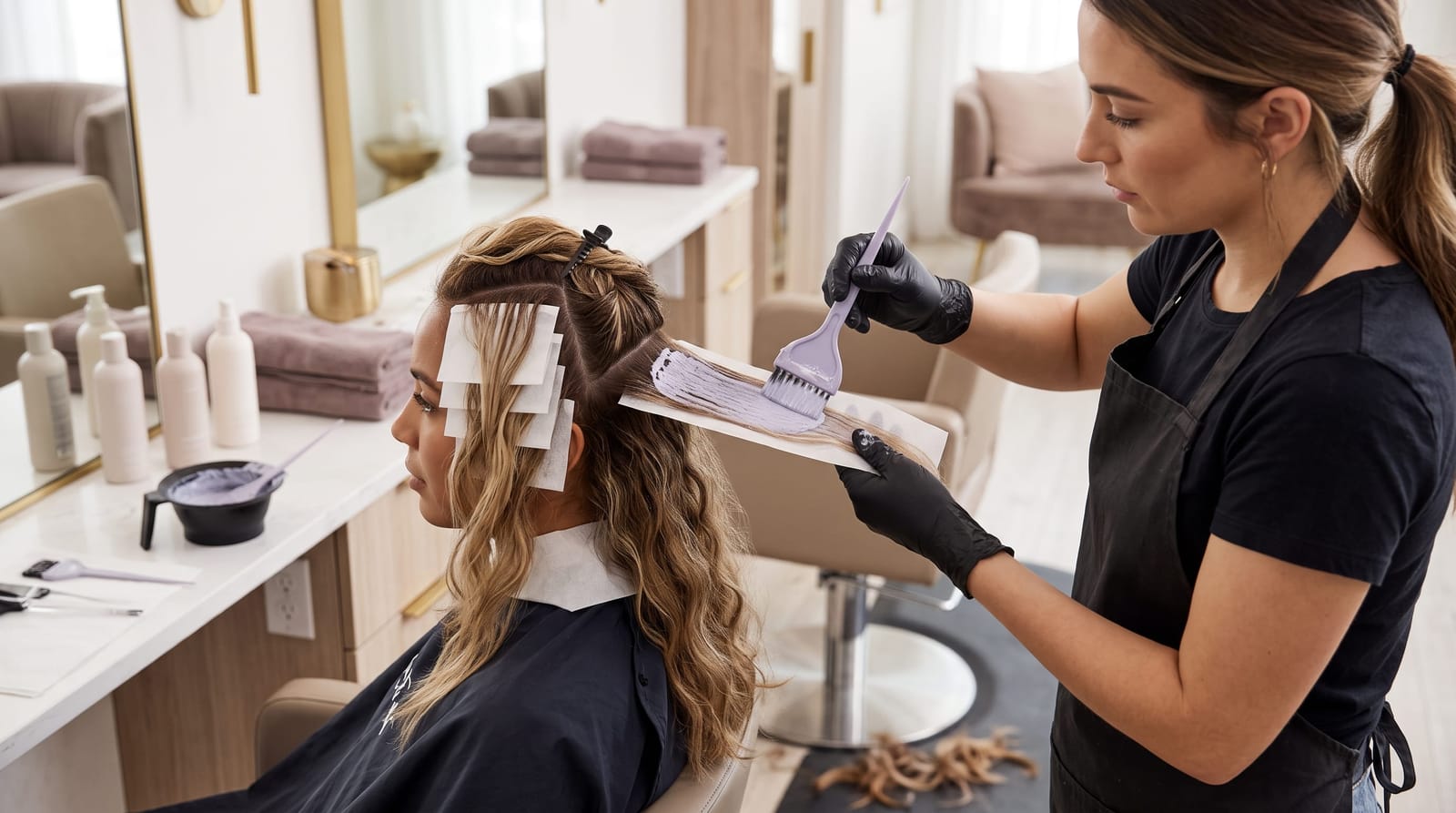
Balayage is a highlighting technique in which a stylist paints lightener onto selected sections of hair, creating a gradual transition from deeper roots to lighter lengths. The goal is often soft, dimensional color rather than a uniform blonde result. A balayage appointment can take several hours, with the total depending on your starting color, hair length and density, desired brightness, and finishing services.
If you’re comparing balayage and foil highlights, the most useful distinction is how the color is placed, not simply whether foils appear during the service. Hand-painting can create a gentle grow-out, but thoughtfully placed foil highlights can also look soft at the roots.
Here’s how the process works and what to discuss when planning your balayage visit in Mountainside, NJ.
What Makes Balayage Different from Other Highlights?
Balayage describes an application technique, not a particular shade. It can create subtle caramel ribbons, brighter blonde pieces, or a restrained lift that stays close to your starting color. It doesn’t have to mean blonde ends or a dramatic transformation.
With freehand painting, the stylist controls where each highlighted section begins, how softly the lightener is blended near that starting point, and how much brightness is concentrated through the ends. Leaving some hair darker creates dimension: the contrast that helps individual lighter pieces stand out.
Balayage, ombré, and foil highlights are not interchangeable
- Balayage: A painting technique used to place highlights selectively and blend their starting points.
- Ombré: A color pattern that transitions from darker roots to lighter ends. Different application methods can create it.
- Foil highlights: Highlighted sections separated in foils, giving the stylist control over placement and lightening. They can be fine and subtle or more pronounced.
A stylist may combine painting with foil work when the desired brightness calls for it. This is why a photo and a conversation often communicate more than asking for a technique by name. “I want a soft root with bright pieces around my face” gives the stylist a clearer direction than “I want balayage” alone.
How Long Does a Balayage Appointment Take?
Balayage is a multi-step service, so appointment time includes more than applying lightener. Consultation, sectioning, painting, processing, rinsing, tonal refinement, and drying all contribute to the length of the visit.
For scheduling, the useful estimate is the time reserved for your complete service. Discuss whether it includes a toner or gloss, a haircut, and a blowout, along with any additional root color. A focused refresh and a full color change involve different amounts of work.
What changes the time required?
- Length and density: More hair means more sections to prepare, paint, rinse, and dry.
- Previous color: Existing permanent color, darker bands, or earlier highlights can complicate the plan.
- Desired brightness: A gentle shift and a major blonde change require different approaches. A larger change may be better approached over multiple visits.
- Partial versus full placement: Face-framing or top-layer work may involve less application than highlighting throughout the head.
- Additional services: Root color, tonal adjustments, a haircut, or detailed styling can extend the visit.
A shorter appointment is not automatically a quicker route to the same result. It may involve fewer highlighted areas or a smaller change. For a closer look at scheduling, our guide to balayage appointment time explores what can affect the length of a visit.
What Happens During a Balayage Session?
The exact sequence varies with your starting color and chosen services, but a typical appointment follows these stages.
1. A consultation connects your inspiration to your starting point
Your stylist needs more than a target shade. Useful details include previous salon or at-home color, how often you use hot tools, where you normally part your hair, and how much maintenance you want to build into your routine.
Bring a few photos and identify what you like in each: the soft root, the brighter ends, the warmth, or the contrast. Photos of hair with a similar starting depth and texture can make the discussion more focused. Mention anything you don’t want, such as very bright face-framing pieces or a strong dark-to-light contrast.
This is also the time to discuss whether your goal suits one session or a gradual approach. Previously colored hair may require a different plan from hair that has never been colored.
2. The stylist sections the hair and maps the placement
Sectioning helps the stylist decide where brightness will be visible and where depth will remain. Placement can account for your haircut, parting, and whether you usually wear your hair straight, wavy, or tied back.
For example, if you wear a ponytail most days, discuss how the lighter pieces will look around your hairline when pulled back. If you wear a sleek bob, you might prioritize a particularly subtle transition because straight styling makes placement easier to see.
3. Lightener is painted onto selected sections
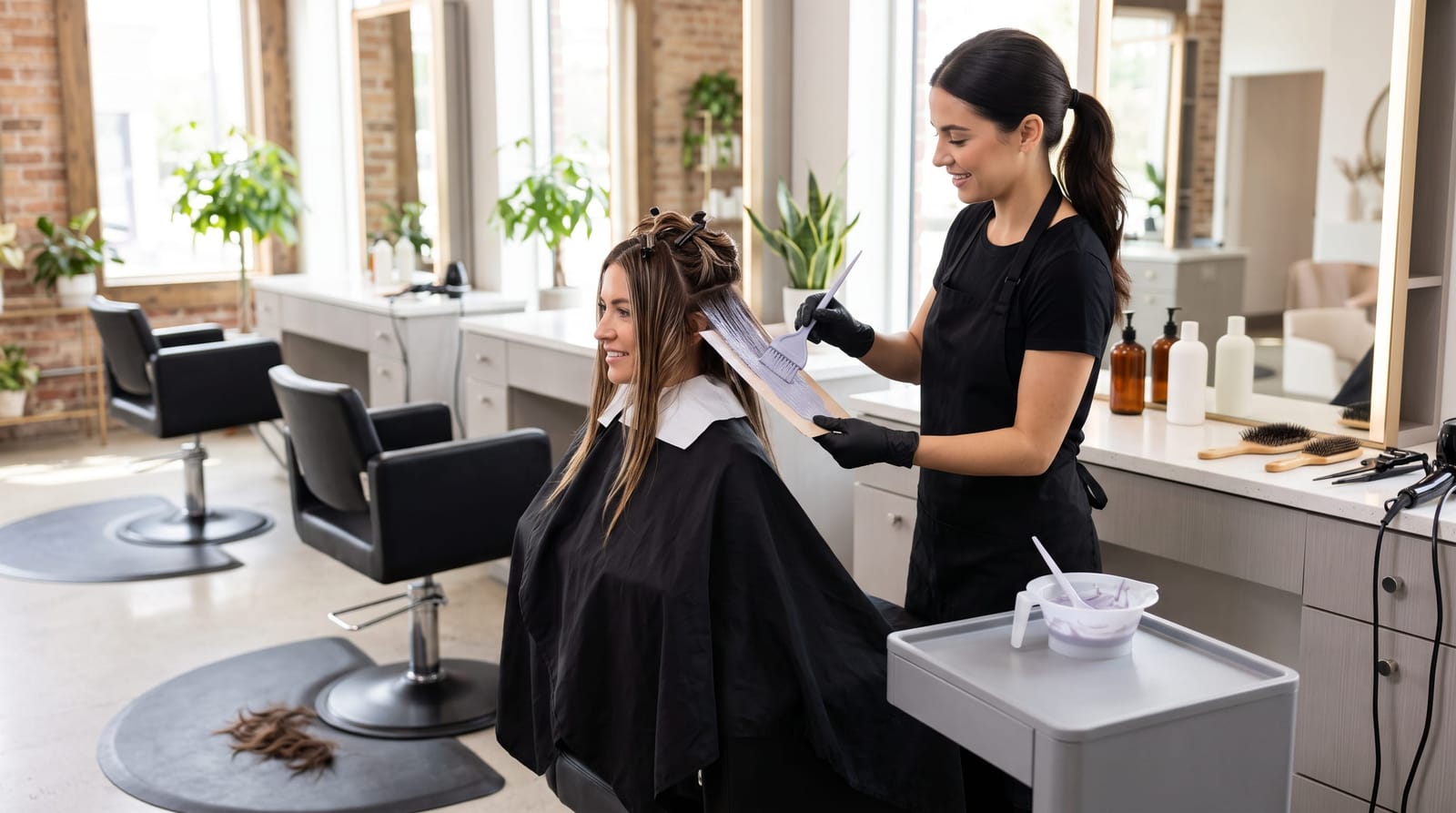
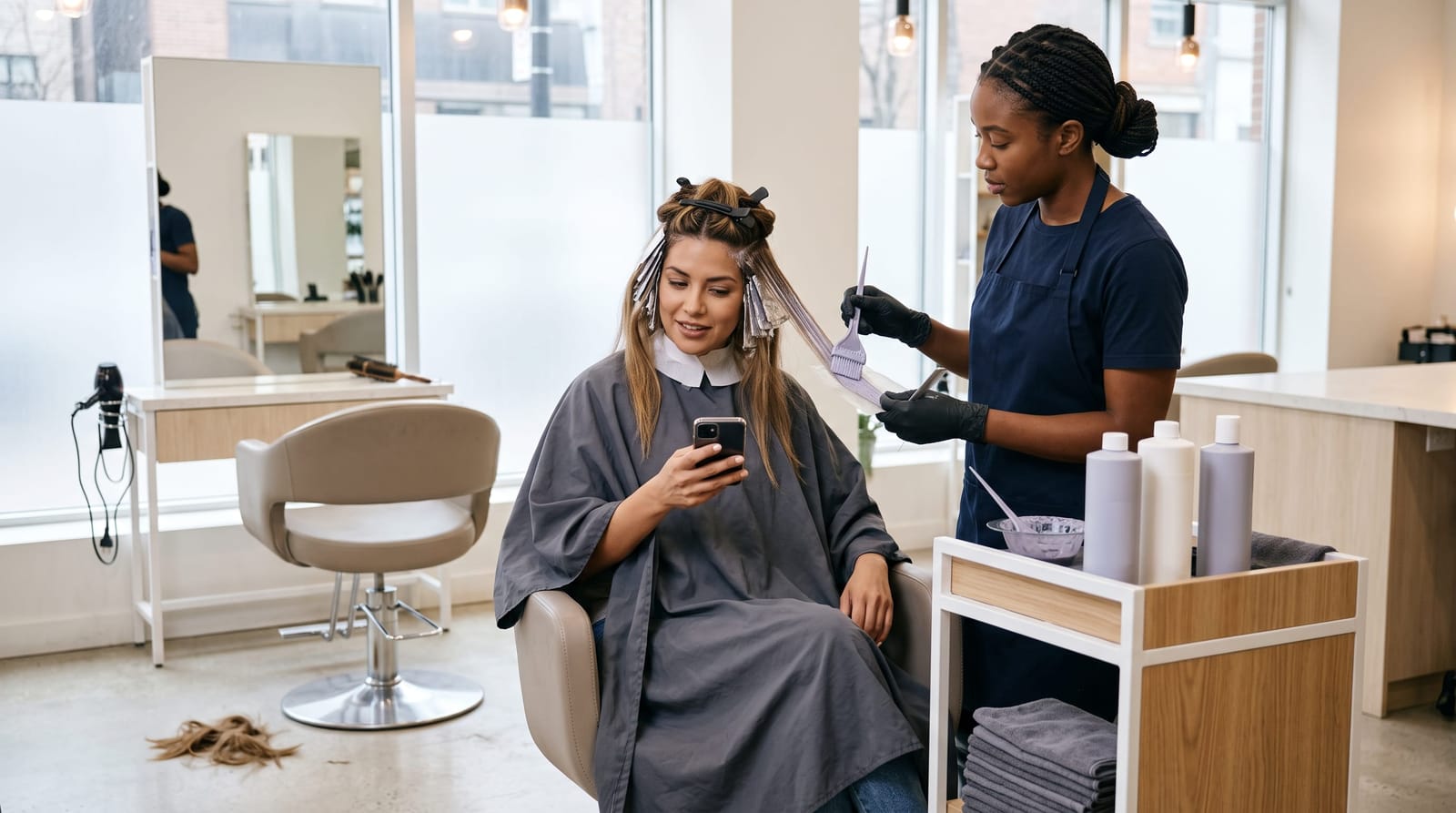
The stylist applies lightener with controlled strokes, softening the starting point and adjusting coverage through the lengths. Not every strand needs to be lightened. The unpainted hair is part of the finished design, providing contrast and keeping the overall look from becoming one solid color.
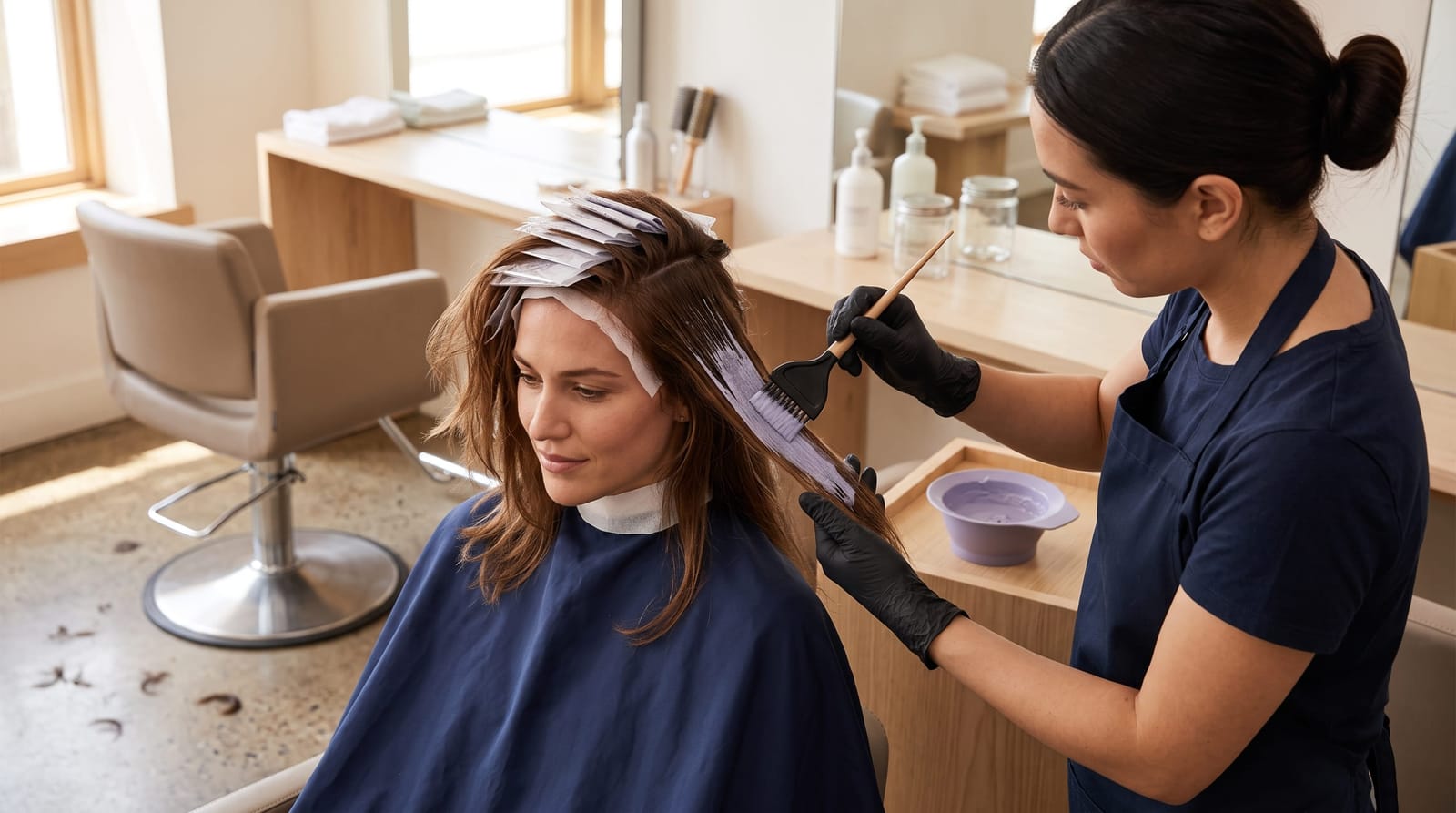
Traditional freehand balayage may process without foils, while a blended service may use foils or other separation methods in selected areas. The method depends on the desired result and the hair’s starting point.
4. The color processes and is checked
Processing is a separate part of the appointment from application. Your stylist monitors the developing lightness rather than treating every head of hair as the same timed task.
If you have a firm departure time, share it when arranging the appointment. That allows time to discuss a suitable service plan rather than trying to compress the process midway through the visit.
5. Rinsing and tonal refinement shape the final shade
After lightening, a toner or gloss may be used to refine the shade, for example, shifting the appearance toward beige, golden, or cooler tones. Lightening creates the brighter base; tonal refinement helps shape how that brightness looks.
A gloss does not replace the need for an appropriate starting level of lightness. An inspiration photo’s very pale shade may not be achievable simply by adding a cooler toner.
6. Drying and styling reveal the finished placement
The finished style lets you and your stylist see how the brighter pieces sit with your haircut. It’s useful to discuss how the color will look in your usual style, not only in loose waves.
Before leaving, clarify which maintenance service is likely to come next. Refreshing the tone and adding more highlights are different appointments.
Why Balayage Often Has a Softer Grow-Out
Balayage often leaves the natural root largely intact and blends the beginning of each highlight rather than placing a uniform row of brightness directly at the scalp. As hair grows, there can be less contrast between the new growth and the existing color.
That doesn’t mean hand-painting always grows out more naturally than foils. Fine foil highlights combined with softened root color can also create a gradual transition. Conversely, bold balayage placed close to the root may look more noticeable as it grows.
The important factors are the contrast with your natural shade, how close highlights begin to the scalp, and how softly those starting points are blended. Discuss those choices rather than assuming the service name guarantees low maintenance.
Soft grow-out also doesn’t mean maintenance-free color. The tone can change between lightening appointments, so a gloss refresh may make sense before more highlights are needed. If your service also includes root color for gray coverage, that regrowth has its own maintenance needs.
Can Balayage Work on Dark Brown or Black Hair?
Balayage can be used on dark hair, but the starting depth and previous color influence the result. Subtle warm ribbons and pale blonde ends represent very different amounts of change. Discussing warmth is especially helpful: “lighter” doesn’t automatically mean “cooler.”
Our guide to balayage on dark brown or black hair looks more closely at expectations for a larger color transformation.
Planning Your Balayage Visit at Meraki
At Meraki Salon & Spa in Mountainside, we tailor our balayage and highlight services to your style, features, and everyday routine. Inspiration photos help us identify the elements you love and discuss how they fit your starting color, haircut, and preferred upkeep.
These questions help turn an inspiration photo into a clear appointment plan:
- Where do you want the brightest pieces, and where would you like to keep depth?
- Would hand-painting alone or a combination of techniques better suit the goal?
- What is included in the appointment, and how much time is being reserved?
- What might need refreshing first: the tone, the face frame, or the overall placement?
If your color is part of wedding preparations, the timing of color and event styling are separate decisions. Our wedding-hair planning guide explains when to confirm an appointment time for the event itself.
Before your balayage visit, discuss preparation preferences, including washing and styling products. Have your color history, inspiration photos, and any scheduling constraints ready. Those details help shape both the color plan and the time set aside for it.