Why Is My Blonde Hair Turning Brassy? How Toning Fixes It
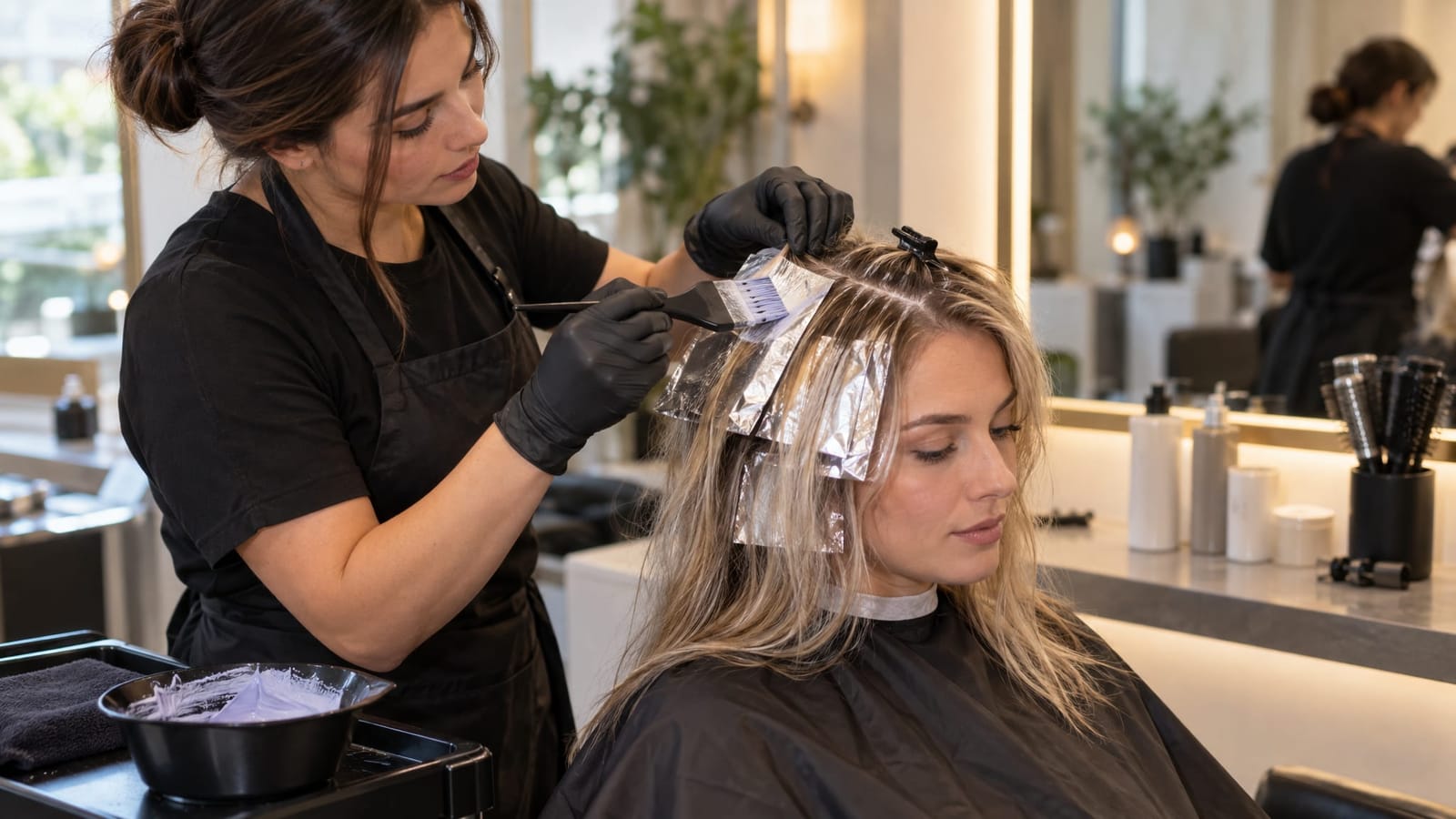
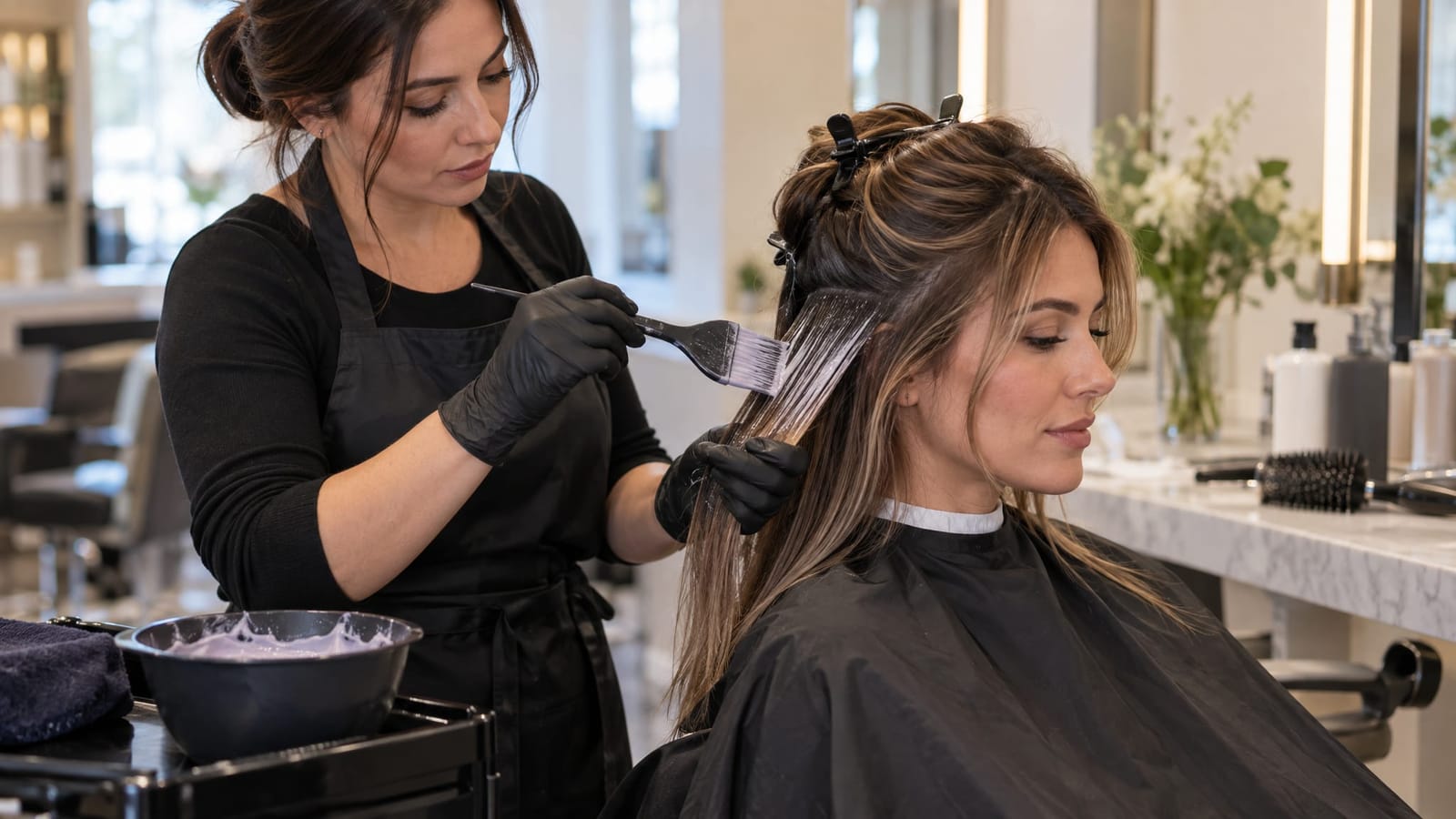
Blonde hair often turns brassy because warm underlying pigment becomes more noticeable as the cool tones from your color service fade. Lightening reveals yellow, orange, or golden undertones, and toner balances those tones to create your chosen blonde. As that balancing color washes away, warmth can show through again.
Professional toning corrects unwanted warmth by depositing complementary color. It can refresh blonde without another round of lightening, but it does not permanently prevent brassiness. The right formula, thoughtful maintenance, and a refresh schedule based on your hair help keep your blonde closer to the shade you love.
Why Warmth Shows Up in Lightened Hair
Natural hair color comes from pigment within the hair. During lightening, that pigment breaks down progressively, revealing warmer tones along the way. Depending on the starting color and how far the hair is lightened, those undertones can look red-orange, orange, or yellow.
This is why lightening and toning have different jobs. Lightening changes how light the hair is. Toning refines its color, such as shifting a yellow blonde toward beige or a cooler pearl finish.
Several things can make warmth more noticeable between appointments:
- Toner fading: Cleansing gradually removes deposited color, allowing the underlying warmth to become more visible.
- Sun exposure and frequent heat styling: These can contribute to color fading and changes in how your blonde looks.
- Uneven porosity: Some sections absorb and release color differently, so the tone may fade unevenly.
- Buildup: Minerals or styling residue can leave blonde looking dull or discolored. This is different from toner fading and may need a different approach.
Brassiness does not automatically mean your color was done incorrectly. It often means the balance between your underlying warmth and deposited tone has changed.
How Professional Toning Corrects Brassiness
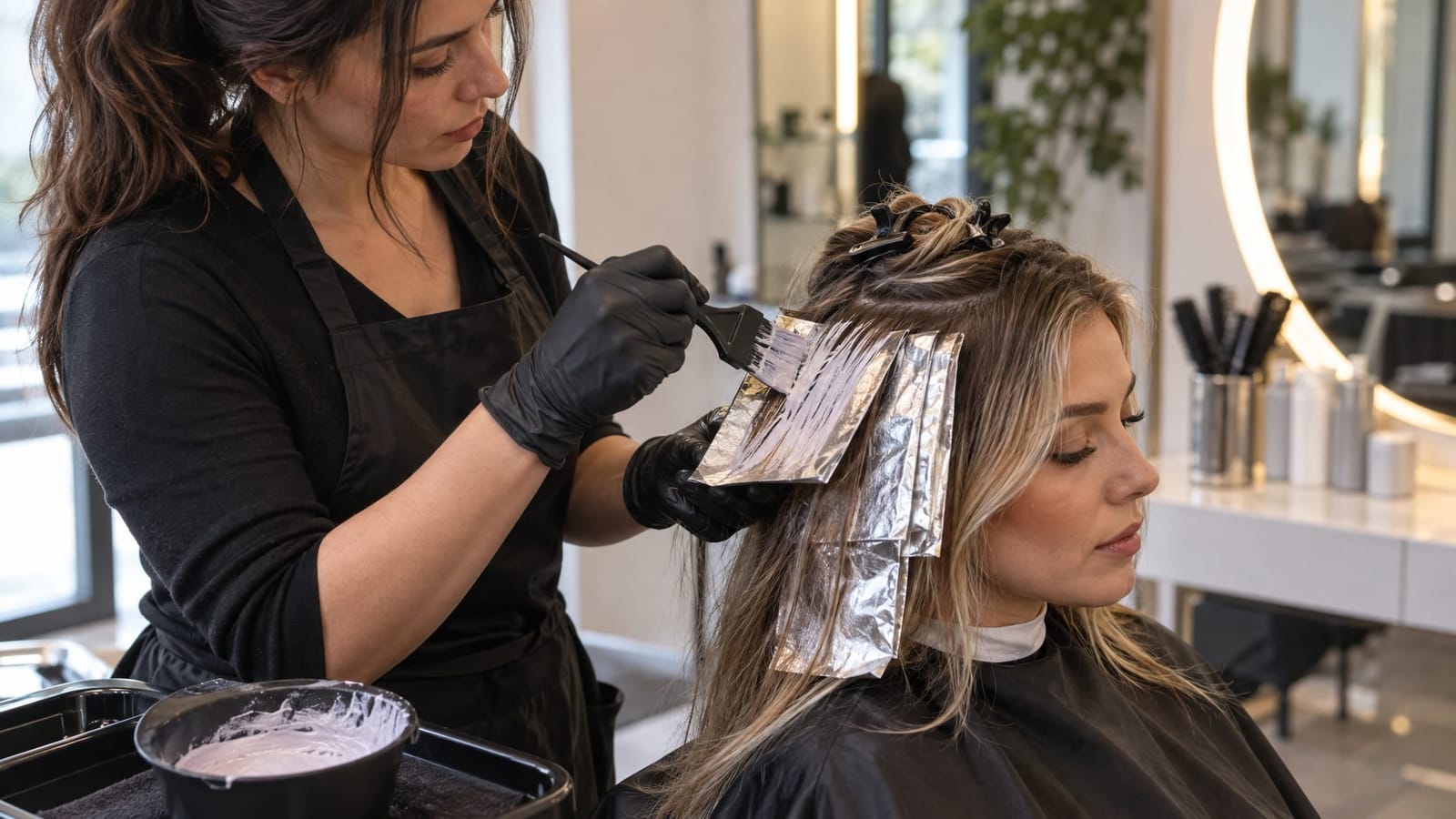
Toning uses complementary colors to soften unwanted undertones. Violet helps neutralize yellow, while blue helps neutralize orange. A blonde with mixed warmth may need a carefully balanced formula rather than a single cool shade.
The goal is not simply to add as much violet or blue as possible. Your starting shade, the location of the warmth, and your preferred finish all matter. Too much cool pigment can make blonde look muted or overly ashy.
For example, pale yellow highlights that you want to wear as a soft beige blonde need a different approach from deeper orange sections. Toner can balance warmth, but it cannot turn hair that is still too dark into a much lighter blonde. That calls for a different color plan, not stronger toning alone.
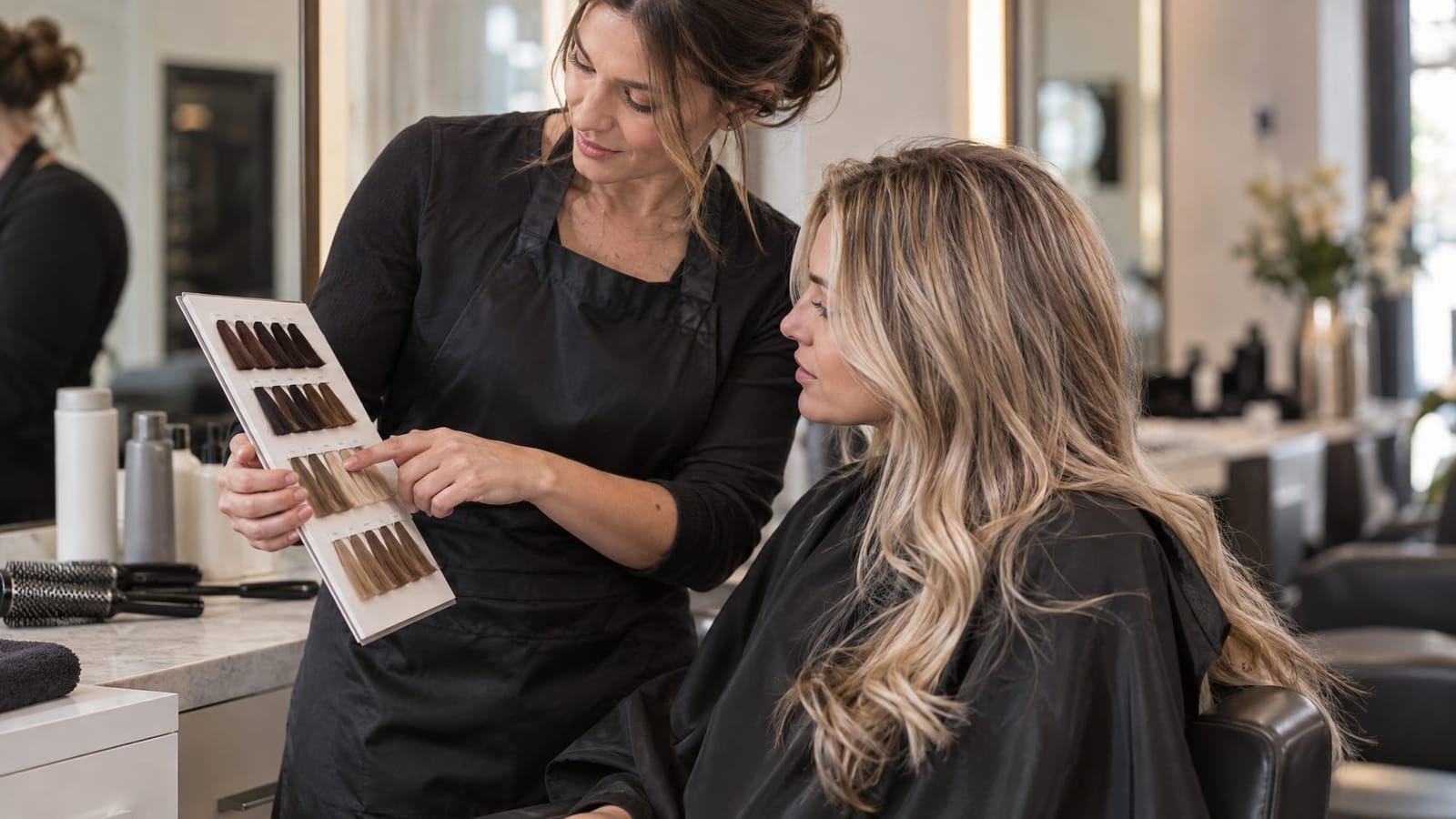
At Meraki Salon & Spa in Mountainside, we offer toning, glossing, and glazing services personalized to your hair and preferred finish. That may mean softening yellow while preserving some golden warmth, rather than making every blonde icy.
Are Toner, Gloss, and Glaze the Same Thing?
These terms overlap, but they do not always describe identical formulas. Toner describes the job of adjusting color. A tinted gloss or glaze can perform that job while also enhancing shine. A clear gloss adds shine without depositing the corrective color needed to neutralize brassiness.
For a refresh appointment, describing the change you want is more useful than choosing a service name alone: less yellow, softer gold, or a more neutral beige.
How Often Does Blonde Hair Need a Tone Touch-Up?
Hair color touch-up frequency depends on what needs refreshing. Tone fading through the lengths and new growth at the roots are separate changes, so they do not always need attention at the same appointment.
- Your blonde is still light enough, but looks too yellow: A toner or tinted gloss refresh may address the change without additional lightening.
- Your roots have grown in, but the blonde still looks balanced: Highlight or lightening maintenance may be the main consideration.
- Your hair looks patchy, coated, or unusually dull: The cause matters before adding more pigment. Buildup and uneven fading are not the same problem.
Notice when unwanted warmth first becomes distracting and whether it appears throughout your hair or only in certain sections. Comparing your color in similar natural lighting helps separate a real tone change from the effect of warm indoor bulbs.
A very cool blonde may also need more frequent tone maintenance than a golden or neutral blonde, because small amounts of warmth are more noticeable against that cooler goal.
How to Maintain Your Blonde at Home
Home care helps manage fading, but it cannot permanently stop underlying warmth from reappearing. Keep the routine focused rather than layering several color-correcting products.
- Match tinted shampoo to the unwanted tone. Purple shampoo is intended for yellow tones. It is not a universal fix for orange hair, and darker orange sections may need professional color adjustment.
- Follow the product’s directions. More frequent use or longer processing does not necessarily create a better blonde. If your hair begins looking lavender, gray, or dull, pause the pigmented product.
- Use a gentle cleansing routine. Choose shampoo suited to color-treated hair and cleanse according to your scalp and styling needs.
- Condition the lengths. Conditioner supports softness and manageability. It complements tone maintenance but does not replace corrective color.
- Be thoughtful with heat. Use heat protection as directed and avoid repeatedly passing hot tools over the same sections.
- Consider buildup before adding more toner. If blonde looks coated or discolored rather than simply warmer, discuss that distinction during your color service.
Frequently Asked Questions
Does Every Blonde Need a Cool Toner?
No. Honey, champagne, and golden blondes intentionally include warmth. Brassiness describes warmth that feels unwanted or out of balance with your chosen shade. Toning can refine a warm blonde without removing its character.
Can Toner Make Blonde Look Darker?
Yes. Deposited pigment can make blonde appear deeper, especially with a strongly cool formula. A balanced result depends on choosing the right tone and depth, not just neutralizing every trace of yellow.
Why Do My Ends Look Different From the Rest of My Blonde?
Ends may have a different lightening history and porosity from newer hair. That can affect how they absorb and hold pigment. Applying more tinted shampoo everywhere may exaggerate the difference rather than even it out.
A Balanced Blonde, Not Necessarily a Colder Blonde
The best response to brassiness depends on whether you are seeing fading toner, underlying warmth, or buildup. Professional toning refines the shade you already have, while a suitable home routine helps maintain that balance between color appointments.