Can You Color Your Hair After Keratin Treatment?
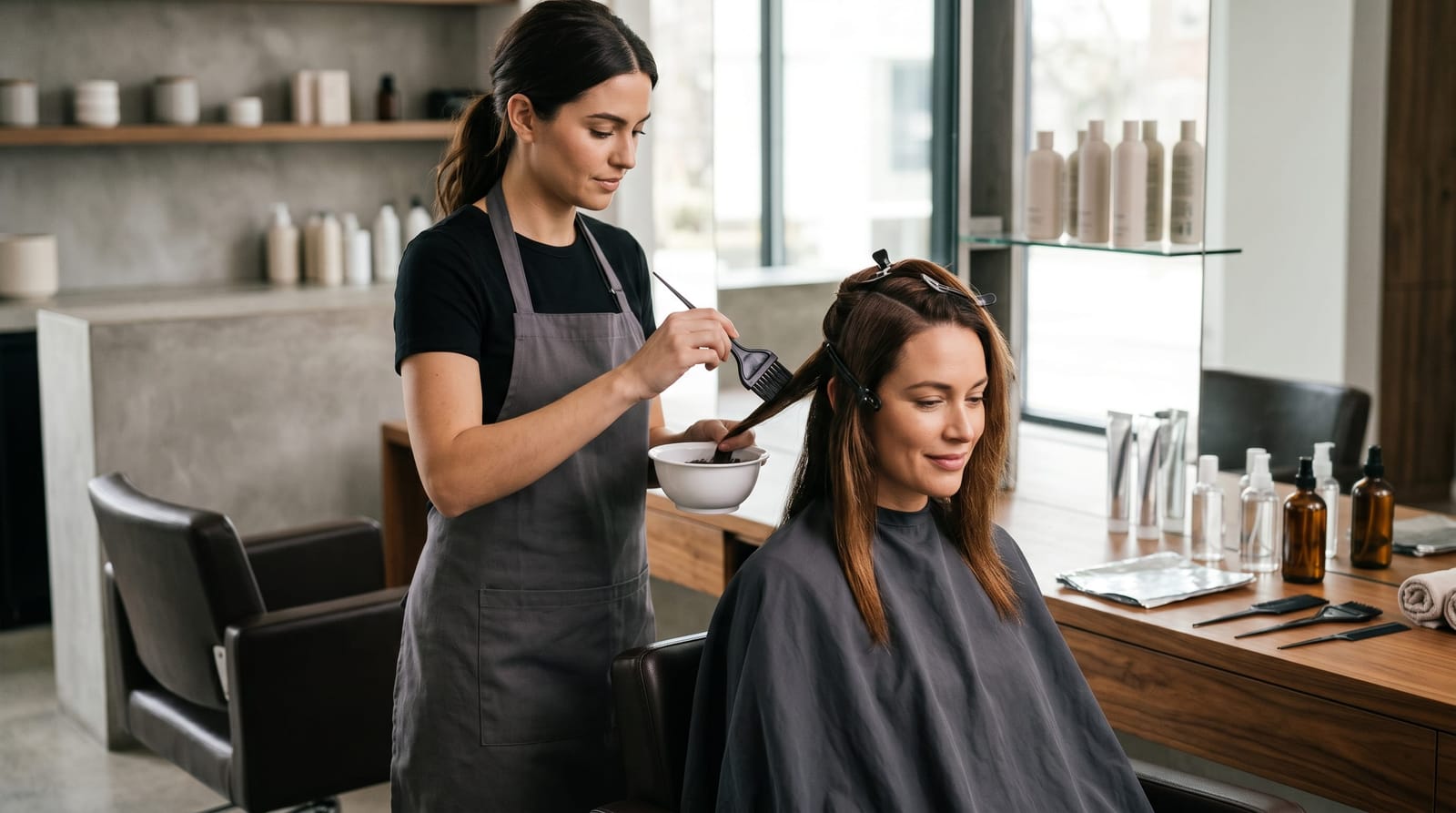
If you've just invested in a keratin treatment to tame frizz and restore smoothness, the last thing you want is to accidentally undo all that hard work. But life doesn't stop, and neither do root touch-ups, balayage appointments, or that bold color change you've been planning. The good news is that coloring your hair after a keratin treatment is absolutely possible. The key is timing and knowing exactly what to do (and avoid) to protect both your color and your treatment results.
The Golden Rule: Wait at Least Two Weeks Before Coloring
The most important piece of advice any professional stylist will give you about hair color after keratin treatment is straightforward: wait a minimum of two weeks. Many experts actually recommend waiting closer to three to four weeks if your hair has been through significant chemical processing prior to the treatment.
Here's why that waiting period matters so much. Keratin treatments work by infusing the hair shaft with a protein complex that smooths the cuticle and reduces frizz. During the first 72 hours, that protein is still bonding to your hair structure. For the following one to two weeks, the treatment continues to cure and set. Applying hair color during this window, especially anything containing ammonia or peroxide, disrupts the bonding process and can lead to:
- Patchy, uneven color results across the hair shaft
- Premature fading of the keratin treatment (some clients lose up to 50% of their results)
- Increased hair dryness and brittleness
- Cuticle damage that reduces the vibrancy of the color itself
A two-week minimum is the industry standard, but consulting your stylist about your specific hair condition is always the smartest move before booking that color appointment.
Should You Color Before or After Keratin Treatment?
This is one of the most common questions clients ask, and the answer depends on your hair goals. Understanding the right sequence can make a meaningful difference in both your color results and how long your keratin treatment lasts.
Color Before Keratin: The Recommended Sequence
For most clients, coloring the hair first and then receiving a keratin treatment is the preferred order. Here's why this works in your favor:
- The keratin treatment seals the hair cuticle over the fresh color, locking in vibrancy and shine
- Color tends to appear richer and more saturated after the keratin smooths the hair surface
- Studies show that keratin-treated hair can retain color up to 30% longer compared to untreated hair
- You avoid the risk of the color disrupting the keratin bonding process entirely
Ideally, you should wait at least one to two weeks after coloring before your keratin appointment to ensure your hair has recovered from the coloring process. This gives the cuticle time to stabilize before the treatment is applied.
Color After Keratin: When It Makes Sense
Coloring after a keratin treatment is the right choice when you want the smoothing benefits first, for example, if you have an important event coming up or your frizz is the more urgent concern. In this case, patience is your best tool. Waiting the full two to four weeks protects your investment and sets the stage for better color application once your hair is ready.
How Keratin Treatments Actually Improve Hair Color Results
Here's something that surprises many clients: a keratin treatment doesn't just coexist with hair color, it actively enhances it. Once the treatment has fully set, your hair becomes a significantly better canvas for color for several reasons.
The smoothed cuticle layer created by the keratin treatment reflects light more evenly, which means your color appears more vibrant and dimensional under both natural and artificial light. Clients who color their hair after a fully cured keratin treatment frequently report that their color looks noticeably richer and more consistent from root to tip.
Additionally, the sealed cuticle slows down the rate at which water and environmental elements penetrate the hair shaft: the same mechanism that prevents color molecules from washing out as quickly. In practical terms, this means your salon color can last four to six weeks instead of the typical two to three weeks, reducing the frequency of touch-up appointments and the associated chemical exposure over time.
For clients covering grey hair, this is especially valuable. Grey hair tends to be more resistant to color due to its coarser, more porous texture. A keratin treatment softens and smooths the cuticle, which often makes grey coverage more even and longer-lasting: a win on both counts.
Professional Tips for Coloring After Keratin Treatment
When you're ready to color after your keratin treatment, a few professional guidelines will help you get the best possible results while protecting your hair health.
Choose Ammonia-Free Formulas When Possible
Ammonia is highly effective at opening the hair cuticle for color deposit, but it can also strip keratin protein from the hair shaft over time. If your primary goal is maintaining your smoothing treatment, ask your colorist about ammonia-free or low-ammonia formulas. These are gentler on keratin-treated hair while still delivering excellent color coverage.
Use Sulfate-Free Color-Safe Products After the Appointment
After coloring, maintaining both your color and your keratin treatment requires sulfate-free shampoos and conditioners. Sulfates are the cleansing agents responsible for stripping both color molecules and keratin protein out of the hair. Switching to a sulfate-free routine after a keratin treatment extends the life of the smoothing results and keeps your color vibrant for longer between salon visits.
Schedule a Deep Conditioning Treatment Alongside Your Color
Chemical color services add oxidative stress to the hair regardless of how gentle the formula is. Scheduling a deep conditioning treatment at the same appointment helps restore moisture and strength, keeping your hair in peak condition between keratin services. Understanding keratin treatment duration is also helpful here: knowing when your treatment will start to fade helps you time your color and conditioning appointments more strategically.
Frequently Asked Questions
Can I use box dye on keratin-treated hair?
Technically yes, but it's strongly discouraged. Box dyes typically contain high concentrations of ammonia and developer that are difficult to control on keratin-treated hair. This increases the risk of uneven color absorption and can significantly shorten the life of your smoothing treatment. A professional colorist who understands keratin-treated hair will be able to select the right formula and application technique for your specific hair type.
Will hair color after keratin treatment look different than before?
Yes, usually better. Because the keratin treatment smooths the cuticle and improves the overall texture and porosity of the hair, color tends to deposit more evenly and appear more vibrant on treated hair compared to untreated hair. Many clients notice their color looks deeper, shinier, and more consistent after their keratin treatment has fully cured.
How soon can I cover grey roots after a keratin treatment?
Wait a minimum of two weeks before covering grey roots after a keratin treatment. Because grey hair is naturally more resistant to color, rushing the timeline not only risks disrupting your keratin results but can also lead to patchy or incomplete grey coverage. Waiting the full two to four weeks gives you the best chance of achieving even, long-lasting grey coverage.
Does hair color affect how long a keratin treatment lasts?
The coloring process itself, particularly the developer used, can gradually open and lift the cuticle, which may shorten keratin treatment results over time with repeated coloring. Using ammonia-free formulas, sulfate-free maintenance products, and spacing out chemical services helps preserve your keratin treatment results for the full expected duration.
The Bottom Line
Coloring your hair after a keratin treatment is not only safe: it can actually produce better results than coloring untreated hair, as long as you respect the two-week minimum waiting period. The smoothed cuticle created by your keratin service helps color absorb more evenly, look more vibrant, and last significantly longer. For personalized guidance on sequencing your color and smoothing services, consulting with a professional stylist who specializes in keratin treatments is always the most reliable path to protecting your hair and your results.