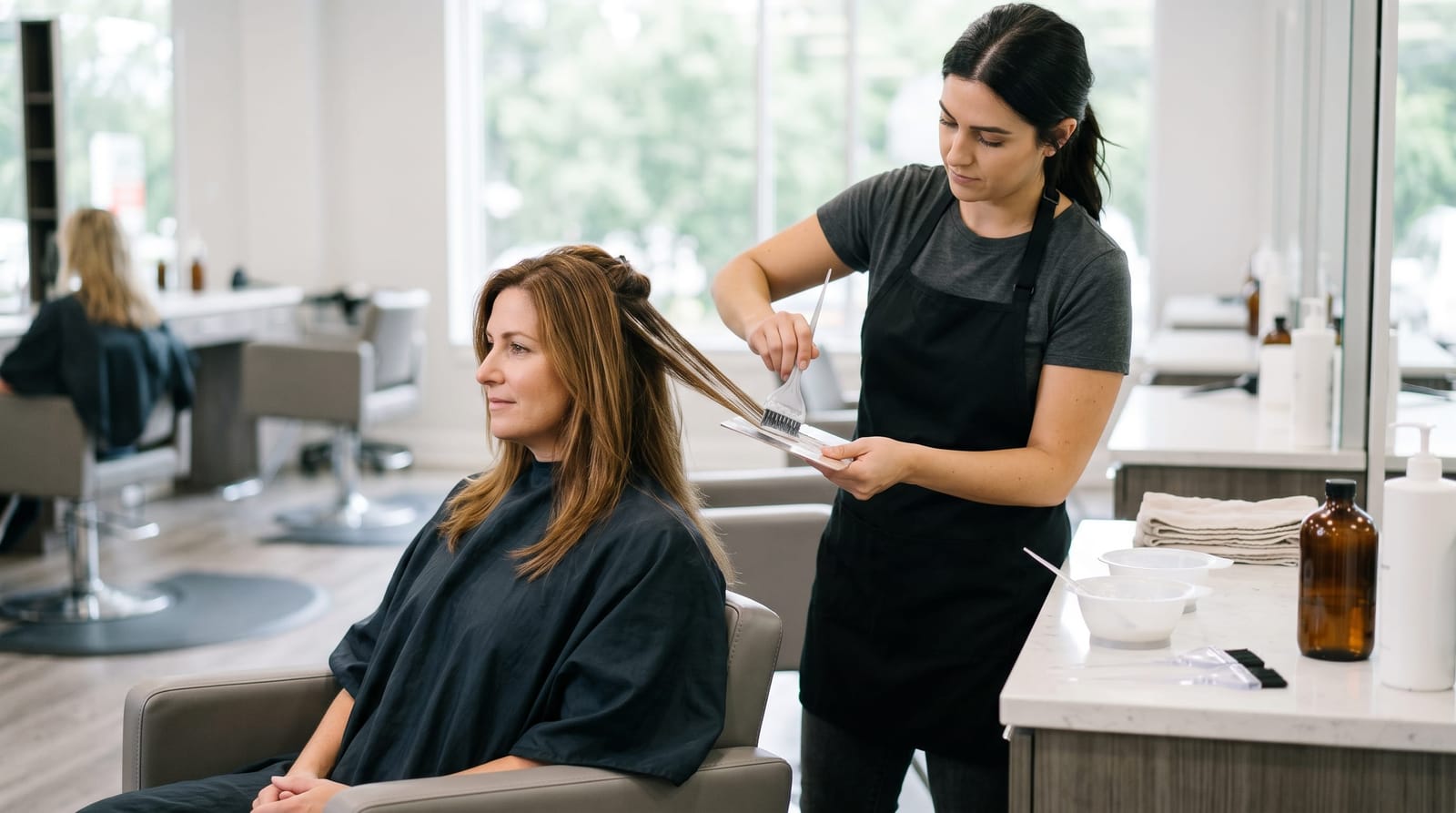
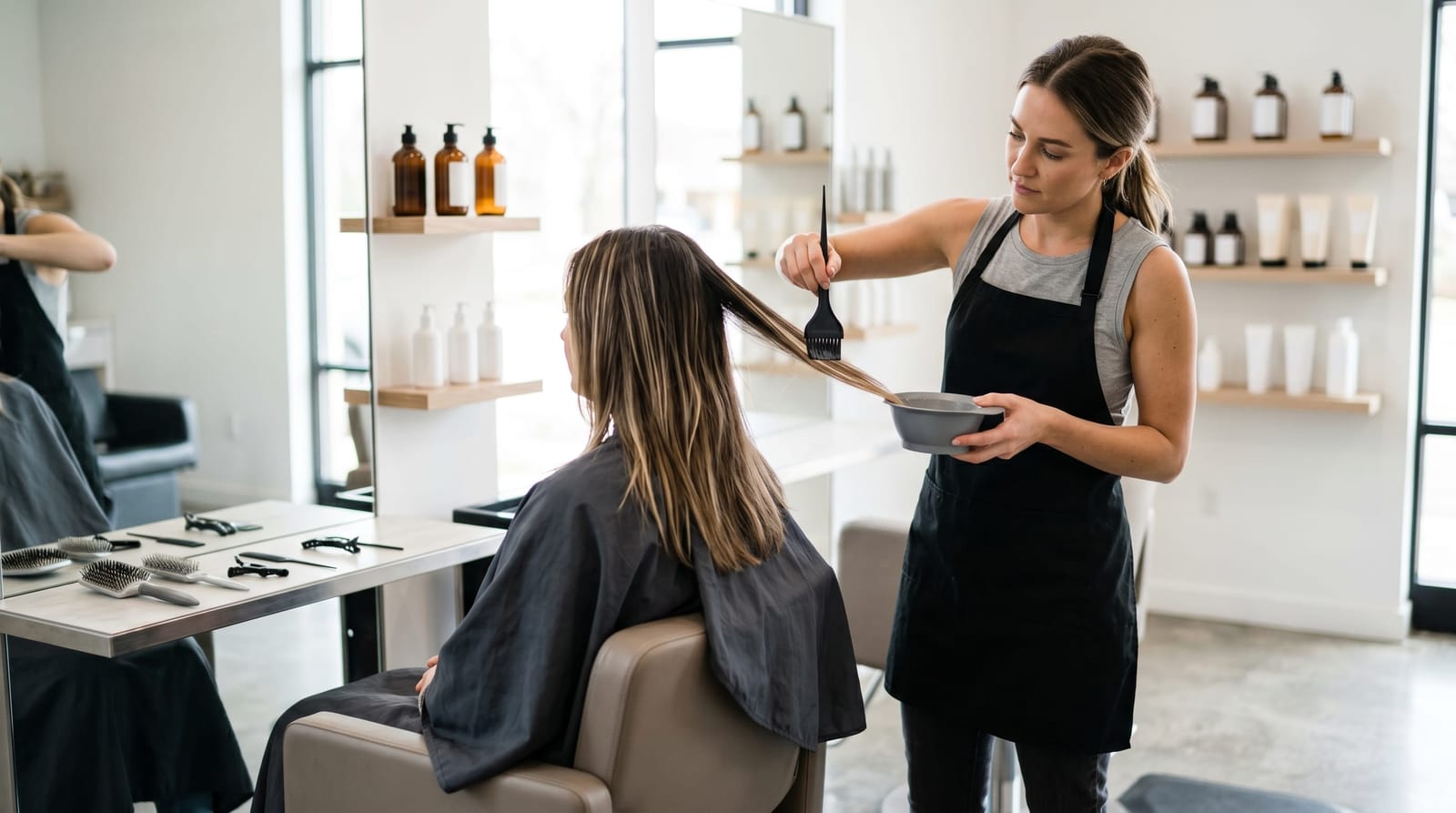
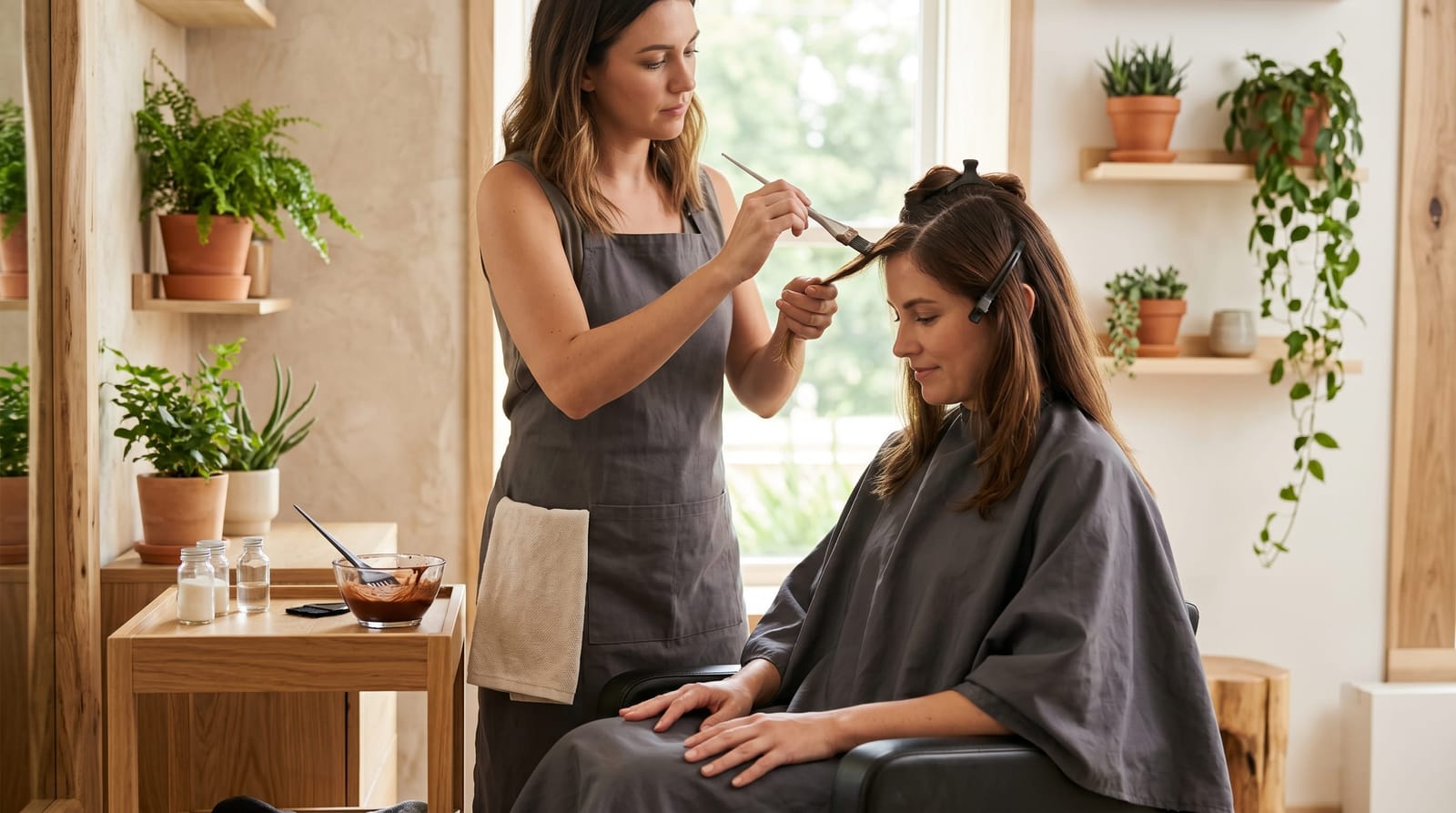
Complete Hair Color Transformation Services: From Consultation to Final Look
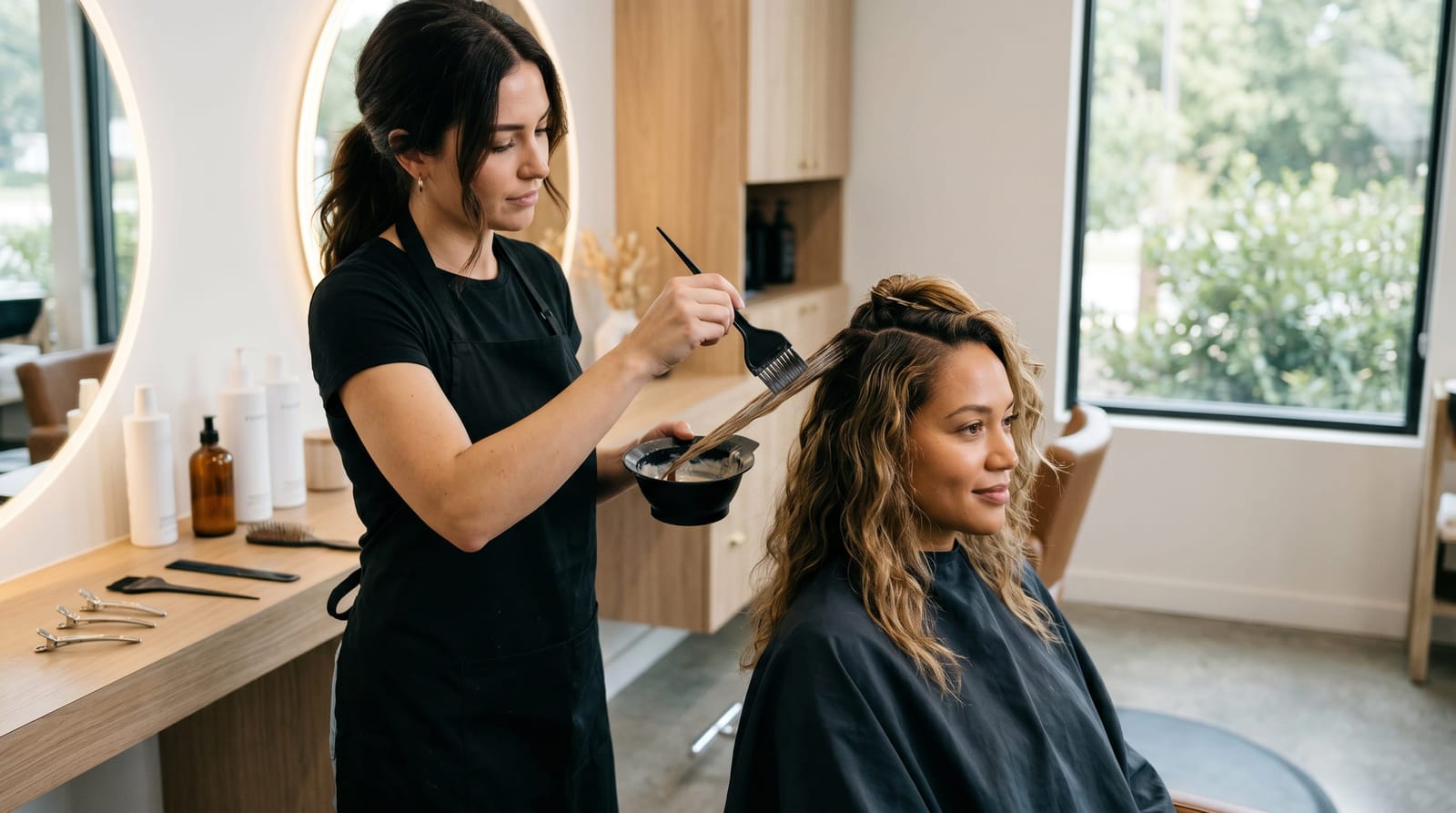
A complete hair color transformation starts with a consultation, followed by a plan for changing your color, refining the tone, and maintaining the finished look. Some changes fit into one appointment; others need several visits, especially when previously colored hair needs significant lightening. Your starting shade, hair condition, and color history all influence the approach.
At Meraki Salon & Spa in Mountainside, New Jersey, we offer full color transformations, balayage and foil highlights, root touch-ups, and glazing and toning services. Whether you want a brighter blonde, a richer brunette, or a softer blend with your natural color, understanding the process helps you choose a change that suits both your style and your routine.
What Makes a Color Transformation Different from Routine Color?
A root touch-up or gloss usually maintains an existing look. A transformation makes a more substantial change to the shade, contrast, or placement of your color. That can include:
- Moving from dark hair to a significantly lighter shade
- Adding lighter and deeper pieces to an all-over color
- Changing from warm golden tones to a cooler finish, or the reverse
- Addressing uneven color or a result that feels too dark or too light
- Blending previously colored lengths with your natural regrowth
The distinction matters because a transformation may involve several techniques rather than one application. Blending toward your natural shade, for example, changes how the color looks as it grows out; it does not return treated lengths to untreated hair.
The Consultation: Agreeing on a Realistic Plan
A useful consultation connects your inspiration with your starting point. It also gives you a chance to understand the likely stages, maintenance, appointment time, and cost before committing to the change.
Review Your Hair History
Share previous color, lightening, perms, relaxers, and smoothing treatments, including anything applied at home. Older color can remain in the lengths even when your roots have grown out, so the most recent appointment is only part of the picture. Product names or photos of packaging can help if you have them.
Also describe how your hair currently feels and behaves. Brittle ends, tangling, or uneven color uptake may affect which approach makes sense. The goal is to plan around the hair you have now, not just the shade in an inspiration photo.
Understand Strand Testing and Hair Condition
A colorist may use a strand test, applying the planned formula to a small section, to assess how the hair responds before a larger application. This can be particularly useful when previous color makes the outcome less predictable.
Porosity, or how readily hair absorbs and releases moisture, also influences how evenly color takes and how well it holds. It is one consideration alongside texture, condition, and previous chemical services, not a simple rule for how quickly hair will lighten.
Use Inspiration Photos to Define the Details
Bring a few photos and identify what you like about each: the brightness around the face, the deeper roots, the overall tone, or the contrast between shades. A photo of a color you do not want can be just as helpful.
Complexion and undertones can guide shade choices, but they do not dictate them. Your preference matters. Comparing a creamy blonde with a cooler blonde, or a golden brunette with a neutral brunette, makes the conversation more specific than asking for a color that is simply “flattering.”
Discuss the In-Between Stages and Upkeep
If your goal requires several visits, discuss what the color could look like between appointments. Dark-to-blonde changes may pass through warmer shades, and an intermediate caramel or warm blonde needs to be a look you feel comfortable wearing.
Maintenance belongs in this conversation too. A bright all-over blonde and a softly blended blonde can have very different regrowth patterns. Compare the initial service plan with the ongoing need for root work, glossing, and home care.
The Transformation Process, Step by Step
There is no single sequence for every transformation. Going lighter, going darker, and correcting uneven color require different decisions. These are the main stages that may shape the appointment.
Preparation and Color Placement
Before applying color, the plan establishes which areas need lightening, added depth, or a tone adjustment. Roots, mid-lengths, and ends may need different formulas because they can have different color histories and conditions.
This is also where placement matters. Brightness around the face creates a different effect from an all-over change, even when the target shade is similar.
Lightening or Adding a New Base Color
For a lighter result, the colorist selects an approach based on the starting color and desired placement. Both balayage and foil highlights can create dimension. Balayage uses painted placement, while foils separate sections during processing; either can contribute to a soft or more contrasting finish, depending on the application.
Going darker follows a different plan. Very light hair may need warm pigment added back before the final brunette shade, helping avoid a result that looks hollow or overly cool. Darker color is not always a simple one-formula application.
Toning and Glossing
Lightening reveals underlying warmth. Toning adjusts that warmth to create the intended finish, whether that is a neutral beige, a golden blonde, or a cooler shade. A toner adjusts tone; it is not a substitute for further lightening when the goal is a much lighter color.
Glossing can also refresh faded lengths and add shine. Not every transformation needs the same finishing formula, and warmth is not automatically something to remove. It may be an intentional part of a copper, caramel, or golden result.
Conditioning and Final Styling
Conditioning helps improve softness and manageability after coloring, but it does not undo the changes made by lightening. We offer deep conditioning and blowout services alongside our color services.
Seeing the hair dry makes it easier to assess the tone and placement. If you usually wear your hair straight, curly, or pulled back, that everyday styling preference is worth discussing so the color placement works beyond the salon finish.
Color Correction: Addressing a Previous Result
Color correction focuses on an existing issue rather than simply applying a new shade. Common concerns include:
- Unwanted orange or yellow tones after lightening
- Color that looks darker than intended
- Uneven patches or visible bands between applications
- Unexpected tones in previously lightened hair
The cause matters because similar-looking problems can need different approaches. Unwanted warmth may call for toning, while uneven lightness may require selective lightening. Applying one color over everything does not necessarily make the result even.
Our explanation of what is involved in fixing a hair color result covers these distinctions in more detail. Repeated at-home changes can add another layer of color for a colorist to work through, so a clear plan is more useful than trying several quick fixes.
Correction can involve more steps and longer appointments than routine maintenance. Discuss the scope of each visit and its cost rather than assuming the final goal will be reached in one sitting.
Common Transformation Goals and Their Tradeoffs
Dark Hair to Blonde
The key distinction is whether the darker shade is natural or previously applied color. Existing dye can make lightening less predictable, particularly where applications overlap. A very light blonde may require staged appointments, with the condition of the hair guiding how far to go at each visit.
If frequent root maintenance does not suit your routine, lighter pieces through a deeper base may offer the brightness you want without the same all-over contrast at the roots.
All-Over Color to a Dimensional Look
Adding lighter pieces, deeper pieces, or both can create variation without changing every strand. For example, someone who likes being brunette but wants a brighter finish might choose caramel pieces around the face while keeping depth through the rest of the hair.
A softer root blend can make regrowth less distinct, but “lived-in” does not mean maintenance-free. The tone and overall balance may still need refreshing.
Vivid Shades and Pastels
The starting base affects how a vivid shade appears. A pale lavender generally needs a much lighter base than a deep burgundy, so the preparation can differ substantially.
Many vivid and pastel shades also need frequent refreshing to maintain their intended appearance. The decision is not just which color you love on the first day, but whether you like how it fades and the upkeep it involves.
Maintaining Your Color After the Appointment
A manageable care routine is more useful than a long list of products. Focus on the steps that suit your texture, condition, and new shade:
- Cleansing and conditioning: Choose products intended for color-treated hair that also suit your cleansing and moisture needs. A sulfate-free label alone does not determine whether a formula is right for you.
- Toning products: Purple products help counter yellow tones, while blue products target orange tones. They are not necessary for every color, especially when warmth is intentional.
- Heat styling: Use heat protection as directed and avoid more heat than needed for your style. These products help reduce heat-related damage but do not make frequent high heat harmless.
- Conditioning treatments: A mask can support softness and detangling. Its frequency depends on the product and how your hair feels, rather than a fixed weekly rule.
- Sun exposure: A hat offers a simple way to limit direct sun exposure to your hair during extended time outdoors.
Between larger appointments, glazing and toning services can refresh tone and shine. They serve a different purpose from lightening or covering new regrowth, so the right follow-up depends on what has changed.
When planning how often to touch up your hair color, distinguish between roots becoming visible, tone fading, and wanting more brightness. Those are different needs, and they do not always require the same service. Knowing which one matters most helps keep your new color aligned with your everyday routine.