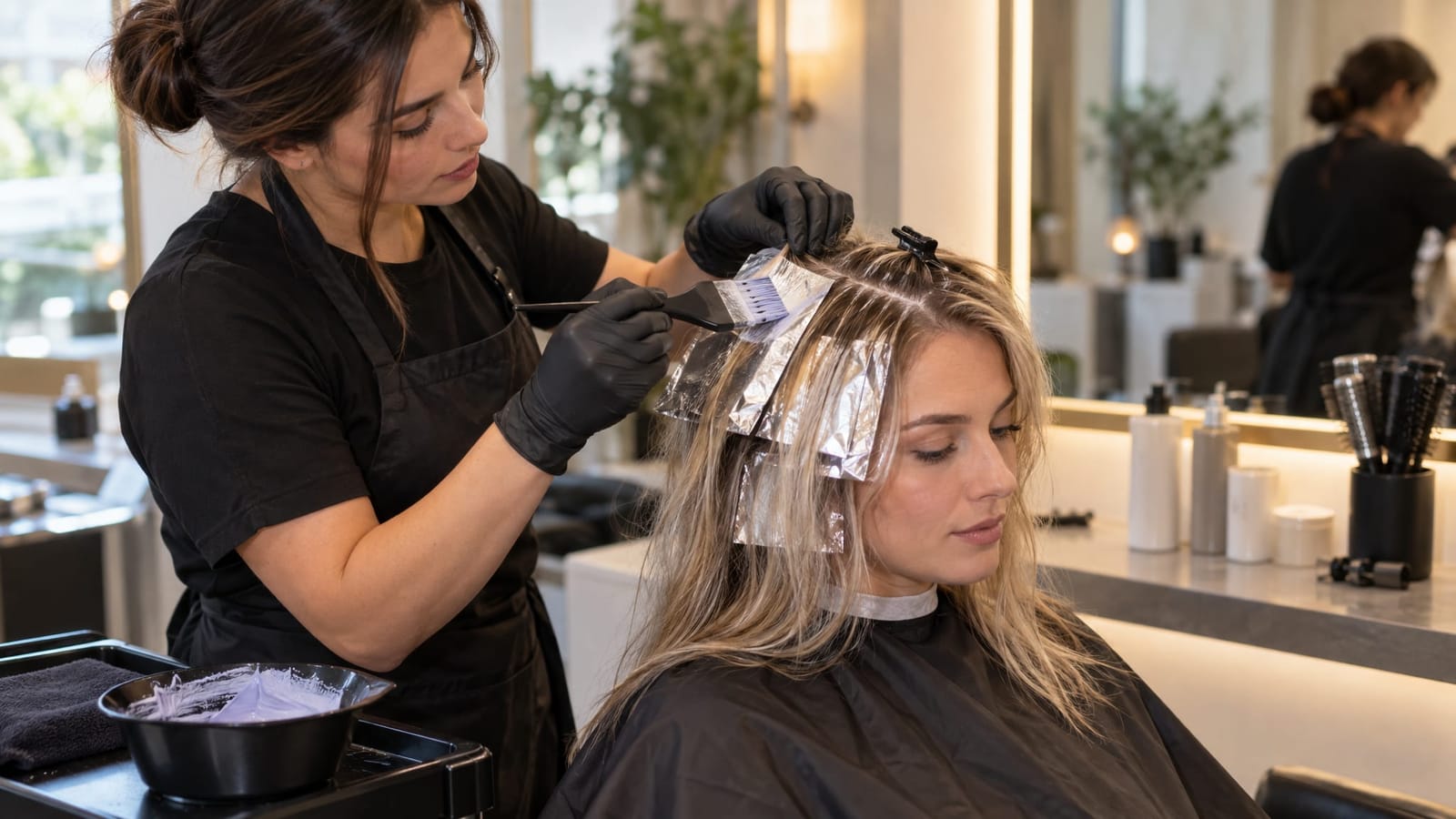
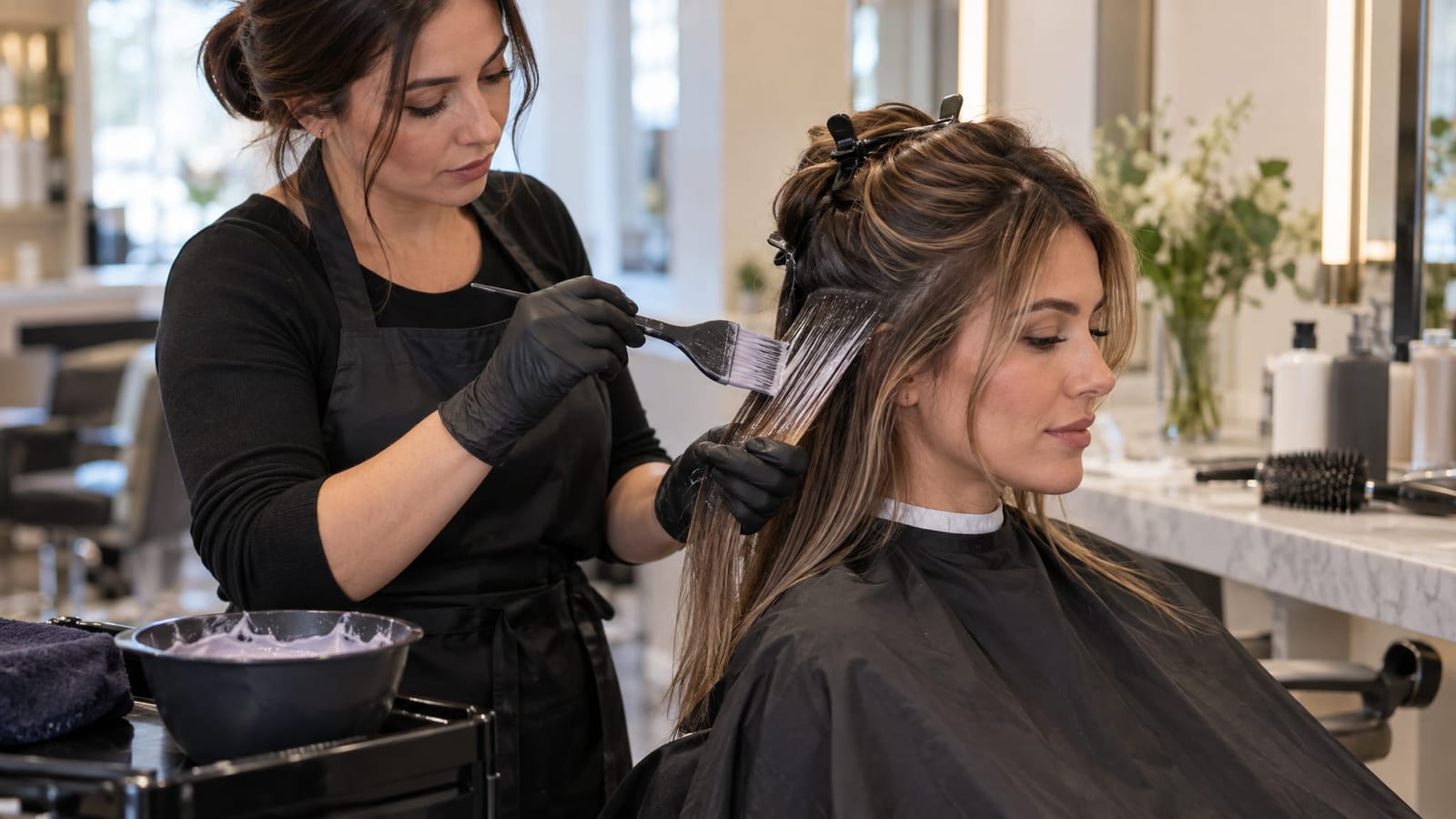
Glazing, Toning & Glossing: The Complete Guide to Color Refresh Treatments at Meraki Salon NJ
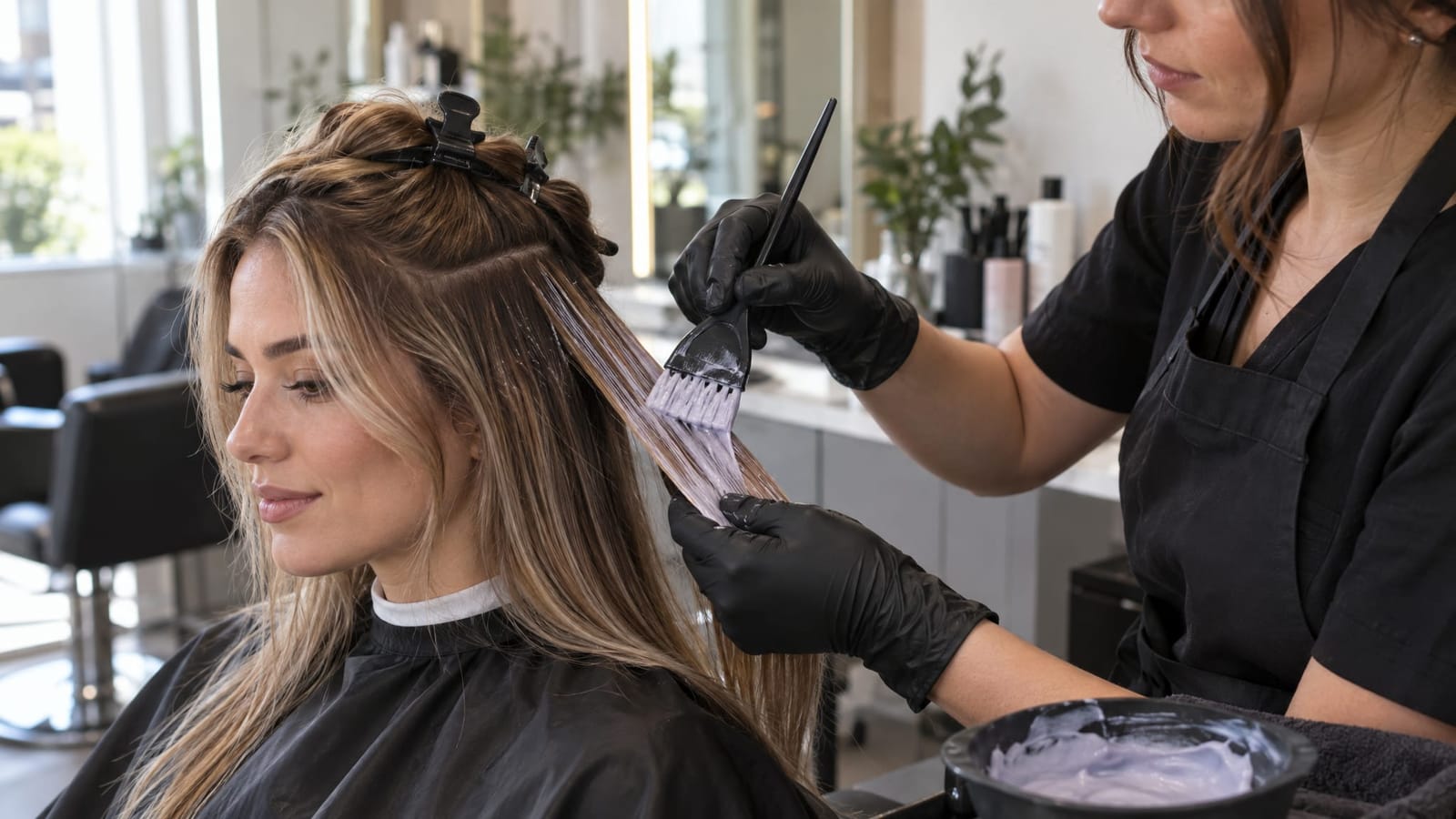
If you still love your balayage or highlights but the shade feels warmer, duller, or less balanced than it once did, you may need a color refresh rather than another lightening appointment. Glazing, glossing, and toning can enhance shine, adjust tone, or refresh faded color while working with the color already in your hair.
The key distinction is simple: these services generally refine existing color rather than create a new placement of highlights or a major change in lightness. A tinted gloss can also work as a toner, and a glaze may serve a similar purpose. The formula and intended result matter more than the service name alone.
At Meraki Salon & Spa, we offer glazing, toners, and glossing in Mountainside, New Jersey, alongside custom color, balayage, highlights, and root retouching. Here is how to understand the options and choose a refresh that fits your hair and maintenance routine.
What Is the Difference Between Hair Glazing, Glossing, and Toning?
These terms overlap across professional color services. They are not three universally standardized formulas, so a useful comparison starts with what each service is intended to do.
Hair glazing: a sheer finishing effect
A glaze generally describes a service focused on shine and a sheer color enhancement. It can make an existing shade look more polished without creating a dramatic transformation. Depending on the formula, a glaze may be clear or tinted.
Think of glazing as a possible fit when you like your overall color and want a subtle refresh. It is not the same as adding new highlights, covering a distinct band of regrowth, or making dark hair substantially lighter.
The word “glaze” alone does not tell you whether a formula uses an activator, how much pigment it deposits, or how it will fade. Those details depend on the product selected.
Hair glossing: shine with or without a tonal change
A gloss can be clear or tinted. A clear gloss is chosen for a shinier appearance without an intentional change in shade. A tinted gloss adds pigment to enhance, soften, or rebalance existing color.
For example, a tinted gloss can refresh richness in a brunette shade or help highlighted pieces look more beige, golden, or cool. Because it deposits color, it can also make lighter sections look deeper. The goal is not always to make hair darker, but the amount and tone of pigment affect how bright the finished color appears.
A gloss is a color-finishing service, not a substitute for conditioning care. Shine and softness are related parts of how hair looks and feels, but they are not the same thing.
Hair toning: adjusting the character of a shade
Toning describes the job of adjusting color tone. A toner can reduce unwanted warmth, add warmth, or bring different sections into a more cohesive shade. It is not limited to blonde hair or cool results.
A toner might help blonde highlights look creamy rather than strongly yellow, refresh a copper tone, or soften an overly warm impression in brunette highlights. A tinted gloss may be the formula used to perform that toning service.
This is why “Do I need a gloss or a toner?” is not always an either-or question. The more useful question is, “Do I want more shine, a different tone, or both?”
What a Color Refresh Can Change, and What It Cannot
Separating three parts of your color makes the decision easier:
- Depth: How light or dark your hair appears.
- Tone: Whether the shade looks golden, coppery, beige, cool, or neutral.
- Placement: Where the lighter and darker sections sit.
Glazing, glossing, and toning primarily address tone and finish. Tinted formulas can also add depth. They do not create the lighter ribbons or face-framing pieces that come from a highlighting service.
If your highlights are still in the right places but look too golden for your taste, toning may address the concern. If those highlights have grown out and you want brightness closer to the roots, more toner will not move them upward.
Likewise, a deposit-focused refresh is not a way to turn a dark brunette base into pale blonde. A major change in lightness requires a different color plan. Uneven bands or a complicated color correction may also need more than an all-over gloss.
Another important limit concerns condition. A glossy appearance does not mean previously processed hair has returned to an unprocessed state. When both color and feel need attention, a color service and a conditioning service have different roles.
Who Benefits From Glazing, Glossing, or Toning?
Balayage clients who still like their placement
Balayage can retain its overall pattern even as its tone changes. If the lighter pieces still frame your face the way you like, a refresh can adjust their shade without repeating the lightening work.
For example, caramel balayage that has become more orange than intended calls for a different discussion than balayage that simply needs brighter pieces near the face. The first concern is about tone. The second is about placement and lightness.
Preserving the contrast between lighter ribbons and the darker base also matters. A formula that deposits too much depth can make the overall look feel less dimensional.
Highlight clients who want a more cohesive shade
Highlighted hair often contains sections with different levels of lightness. Toning can help those sections work together visually, whether the goal is soft gold, beige, or a cooler finish.
However, toner does not make every highlighted strand equally light. If one section is significantly darker than another, adding pigment may soften the difference without removing it. The starting canvas still shapes the result.
Full-color clients whose lengths have faded
Permanent color at the roots and faded color through the ends are separate concerns. A root retouch addresses new growth. A gloss or other color refresh can address the appearance of the lengths.
This distinction is especially helpful when the roots still look right but the ends have lost richness. Treating every concern as a reason to repeat an all-over permanent color service can overlook the more focused option.
People with natural hair who want a subtle change
You do not need highlights or permanent color to explore glossing. A clear gloss offers a shine-focused option, while a tinted service can subtly enrich or shift the appearance of natural color.
A tinted gloss is still a color service, even when the change is understated. It is best approached with a clear idea of whether you want warmth, coolness, added depth, or no intentional shade change.
Clients choosing between gray blending and gray coverage
Blending gray and covering gray are different goals. Some deposit-based color services can soften contrast, but a sheer glaze or gloss is not interchangeable with opaque root coverage.
If your priority is to make new gray growth match a solid base color, the conversation belongs around root retouching and coverage. If you prefer a translucent effect that leaves some variation visible, blending is a different direction to explore.
Clear or Tinted: Choosing the Right Kind of Refresh
A clear service makes sense when the shade itself is already right. A tinted service makes sense when you want the color to look different, even subtly.
| Your main concern | The direction to discuss | The important distinction |
|---|---|---|
| “I like my shade, but it looks less polished.” | A clear, shine-focused gloss or glaze | No intentional tonal change |
| “My highlights look warmer than I prefer.” | A tinted gloss or toning service | Adjusts tone rather than adding lightness |
| “My brunette color looks faded through the ends.” | A pigment-depositing refresh | Can restore the appearance of richness and add depth |
| “I want my copper or golden color to look warmer again.” | A warm-toned refresh | Toning can add warmth, not just reduce it |
| “I want brighter pieces around my face.” | A highlighting or balayage discussion | New brightness requires more than a deposit-only service |
Warmth is not automatically something to correct. Honey blonde, caramel brunette, and copper all depend on warm tones. The aim is to refine the shade you enjoy, not make every color cooler.
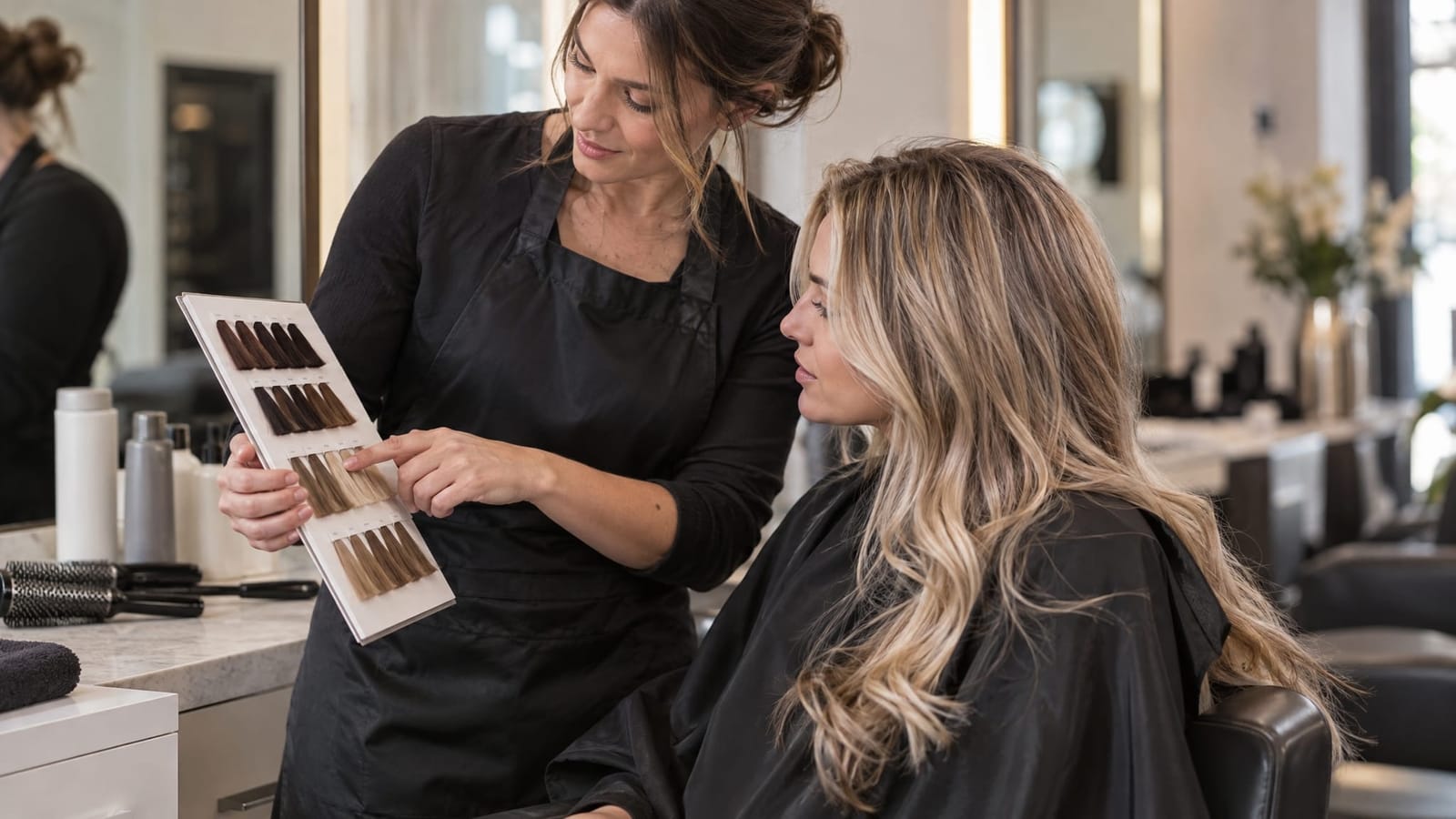
Reference photos are most useful when you identify the detail you like: the softness of the blonde, the richness of the brown, or the amount of contrast. A photograph alone cannot show the exact formula needed for a different starting color.
How Existing Color and Hair Condition Affect the Result
A refresh works with what is already present. Natural roots, highlighted sections, previously colored lengths, and lighter ends can respond differently to the same formula.
Previously lightened or more porous sections may take up pigment differently from less processed hair. That is one reason a darker or cooler gloss can look stronger on the ends than expected. A sheer result depends on both the formula and the hair receiving it.
Your recent color history helps clarify the options. Useful details include:
- Whether your hair has been lightened, permanently colored, or treated with direct-deposit color.
- Where you notice fading, warmth, or unevenness.
- Whether the ends are noticeably lighter than the roots.
- Any color-depositing shampoos, conditioners, or masks in your routine.
- Whether you eventually want to go lighter, darker, warmer, or cooler.
Future plans matter because lower commitment does not mean no commitment. Tinted color can linger, particularly in lighter or more porous areas. Repeatedly depositing a deeper shade can also affect a later lightening plan.
If you love bright blonde ends, for example, the goal may be to refine their tone while preserving their airy appearance, rather than adding richness everywhere.
Our Approach to Color Refresh Services at Meraki
We tailor our services to your style, features, and lifestyle. With a refresh, that means keeping the desired result at the center of the decision: a shinier finish, a warmer or cooler shade, richer lengths, or a more cohesive look.
Our licensed hairdressers offer glazing, toners, and glossing alongside balayage and foil highlights, root touch-ups, full color transformations, and lived-in, low-maintenance color. These services address different needs, so a refresh does not have to be treated as a smaller version of a full transformation.
A useful color conversation separates what you want to keep from what you want to change. “I love the light pieces but want less gold” gives a clearer direction than “My color needs fixing.” So does “I want my brunette ends richer, but I do not want the whole look darker.”
We also offer deep conditioning services, haircuts, and blowouts. These have their own purposes: conditioning focuses on the feel and manageability of the hair, a cut refines shape, and styling changes the finish. A toner adjusts color. Keeping those roles clear makes it easier to choose services that address the actual concern.
How Long Do Glazing, Glossing, and Toning Results Last?
These results generally soften gradually with washing rather than remaining unchanged until a single expiration point. The useful lifespan depends on the formula, the starting color, the hair’s porosity, and the care routine.
There is also a difference between pigment remaining in the hair and the color still looking exactly as you prefer. A delicate cool blonde tone may feel ready for a refresh as warmth becomes visible again, even though some deposited pigment remains.
The main factors include:
- Washing frequency: More frequent washing gives deposited color more opportunities to fade.
- Hair condition: Different sections can absorb and release color differently.
- The amount of tonal change: A subtle shift and a deeper deposit may fade in different ways.
- Your starting shade: As toner fades, the underlying color becomes more apparent.
- Your preferred finish: Someone who enjoys a softly warm blonde may refresh at a different point from someone maintaining a distinctly cool shade.
A clear gloss and a tinted toner may also have different signs of wear. With clear glossing, you may notice a less polished finish. With toning, the change in shade may be more noticeable.
The most practical maintenance cue is the concern returning, not an automatic repeat of every color service. If placement still looks right but tone has shifted, that is a refresh discussion.
How to Care for Hair Between Color Refreshes
A consistent routine can help maintain the appearance of your color without turning home care into another coloring appointment.
Match cleansing to your scalp and styling routine
A shampoo suited to color-treated hair is a straightforward starting point. Washing frequency can reflect your scalp comfort, activity, and product use rather than a rigid schedule designed only around color.
Clarifying shampoos are intended for more thorough cleansing and can fade deposited color. They serve a different purpose from routine color-care cleansing, so it helps to distinguish buildup removal from ordinary washing.
Use conditioning and heat styling thoughtfully
Conditioner supports softness and manageability, while a leave-in product or heat protectant can complement a styling routine. Heat protectant does not make hair immune to heat, and repeated high-heat passes are not necessary for every style.
Very hot water and frequent heat styling can work against a polished color finish. A gentler routine focuses on comfortable water temperatures, effective conditioning, and only as much heat as the style requires.
Keep color-depositing products aligned with your goal
Purple and blue shampoos deposit pigment; they are not interchangeable versions of ordinary shampoo. Purple targets yellow tones, while blue targets orange tones. Neither creates new highlights or lightens dark regrowth.
Overuse can leave lighter sections looking dull or unevenly tinted. These products also may not suit a deliberately golden or copper result. The right home routine depends on the tone you want to preserve, not simply whether your hair has been colored.
When Is a Refresh Worth Choosing Between Larger Color Appointments?
A refresh is a useful choice when it targets the part of your color that has changed while leaving the parts you still love alone. Its value comes from matching the scope of the service to the goal, not from assuming every gloss replaces a full color appointment.
Consider these common decisions:
- Your balayage has softened into a warmer shade, but you like the grow-out: Toning can address the shade without adding new lighter pieces.
- Your roots need coverage and your ends look faded: Root retouching and a lengths refresh address separate areas.
- Your hair looks dull, but the shade is right: A clear gloss may fit the finish you want; dryness or styling buildup may call for a different kind of care.
- You want a much lighter overall result: A gloss alone does not match the goal.
- You want less upkeep: A subtle tonal change closer to your existing color may fit that preference better than a precise shade you want maintained without variation.
Time and cost also depend on the complete service plan. A standalone refresh, a root service with refreshed lengths, and highlights followed by toning are not identical appointments. Hair length, density, and the work involved help define that plan.
For low-maintenance color, it helps to decide which changes you are comfortable seeing as the shade fades. Some clients enjoy warmth gradually returning. Others place more value on keeping a consistent cool or neutral tone. Neither preference is more correct, but they lead to different maintenance choices.
Deep Dive Topics
- Understanding the service names: Our comparison of hair gloss vs glaze explores how glossing, glazing, and toning overlap and how to connect each term with the result you want. It is a useful next reference when deciding whether your priority is shine, a tonal adjustment, or both.
The Best Refresh Starts With What You Want to Keep
Glazing, glossing, and toning are most useful when you already like the foundation of your color. They can refine its tone and finish without automatically repeating the work that created it.
For hair glazing in Mountainside, the clearest starting point is a simple distinction: do you want your existing color to look fresher, or do you want a different color design? A thoughtful refresh preserves what is working and focuses attention on what has changed.