Hair Gloss vs. Glaze vs. Toner: What's the Difference and Which Do You Need?
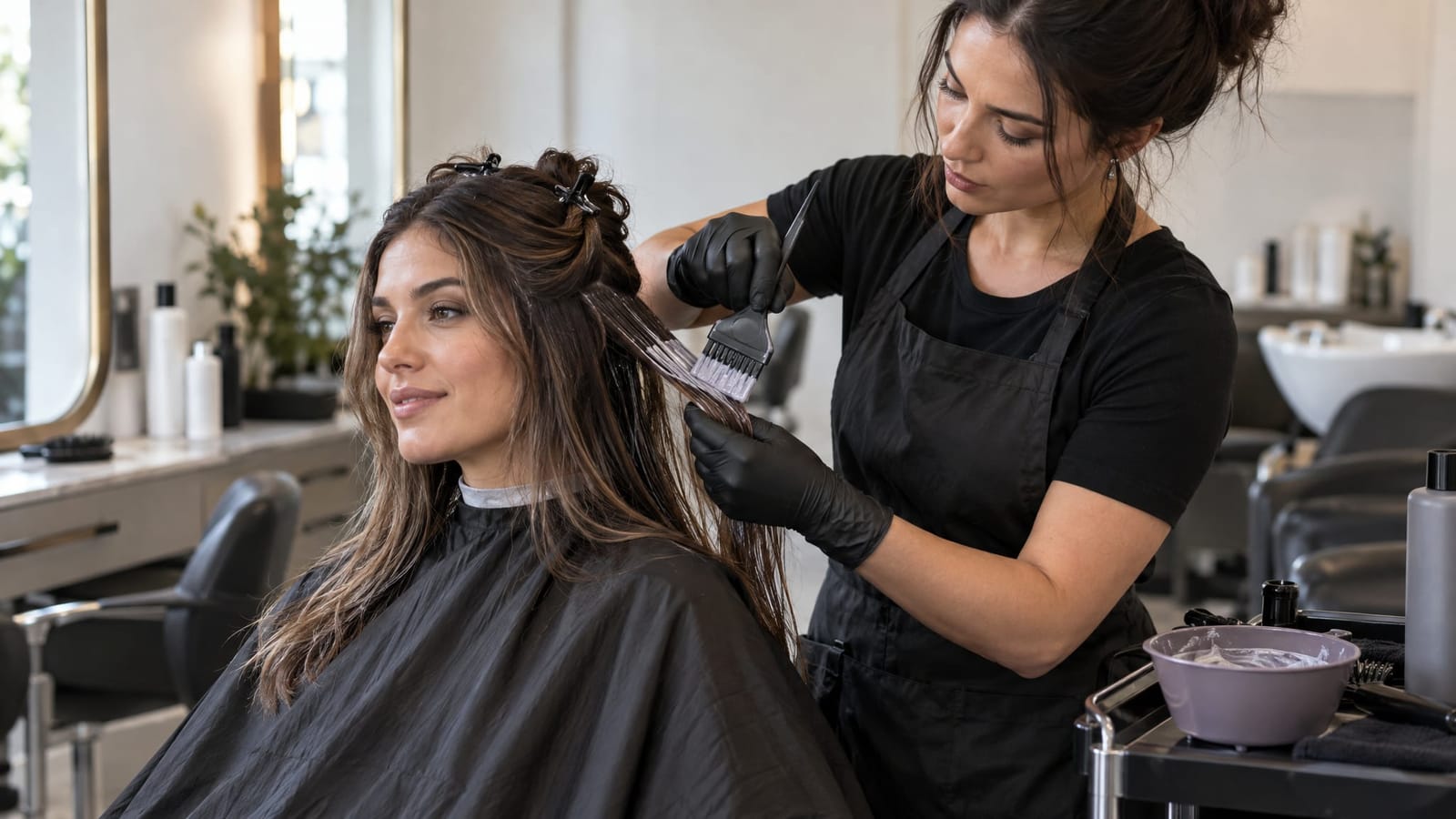
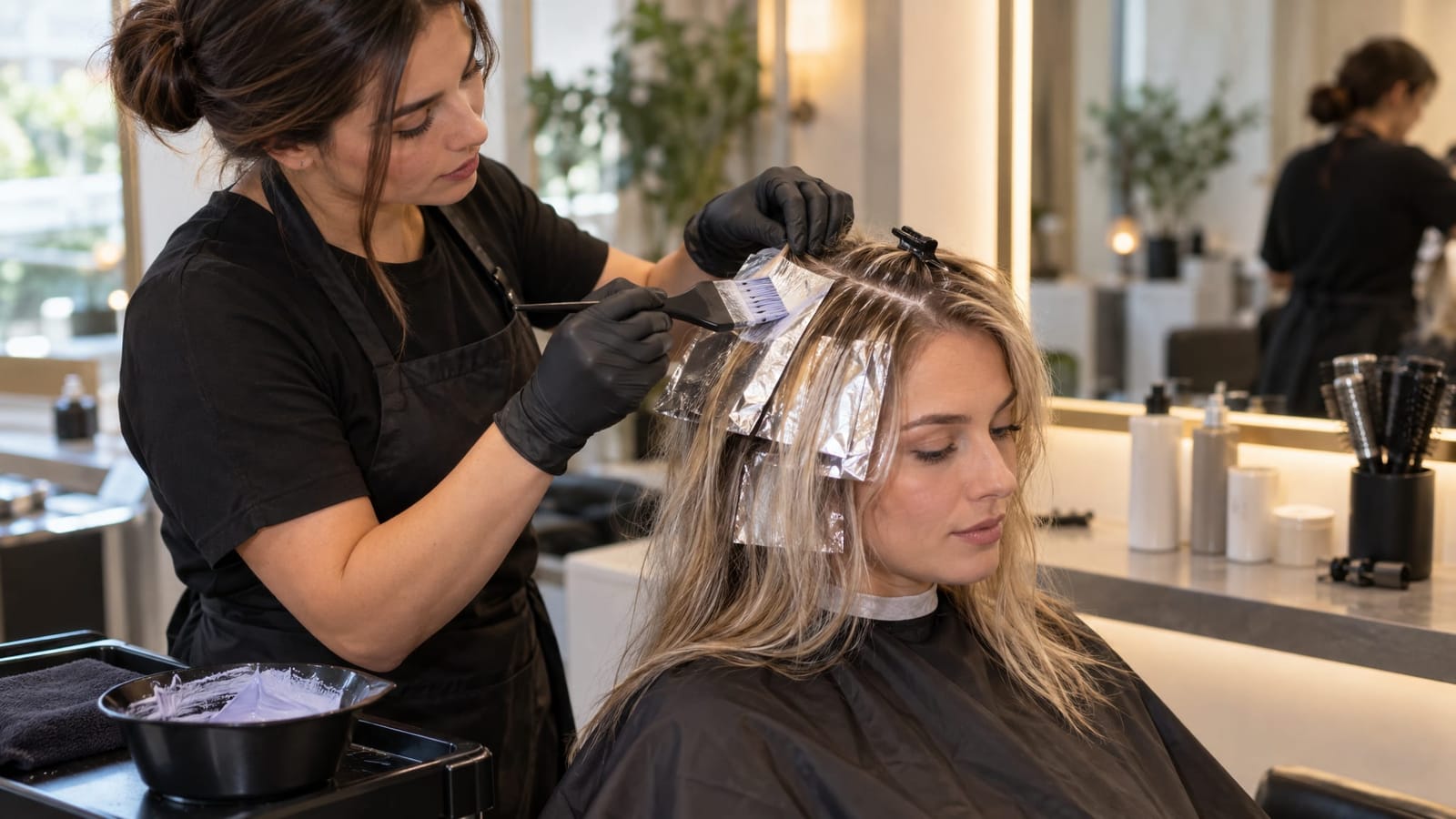
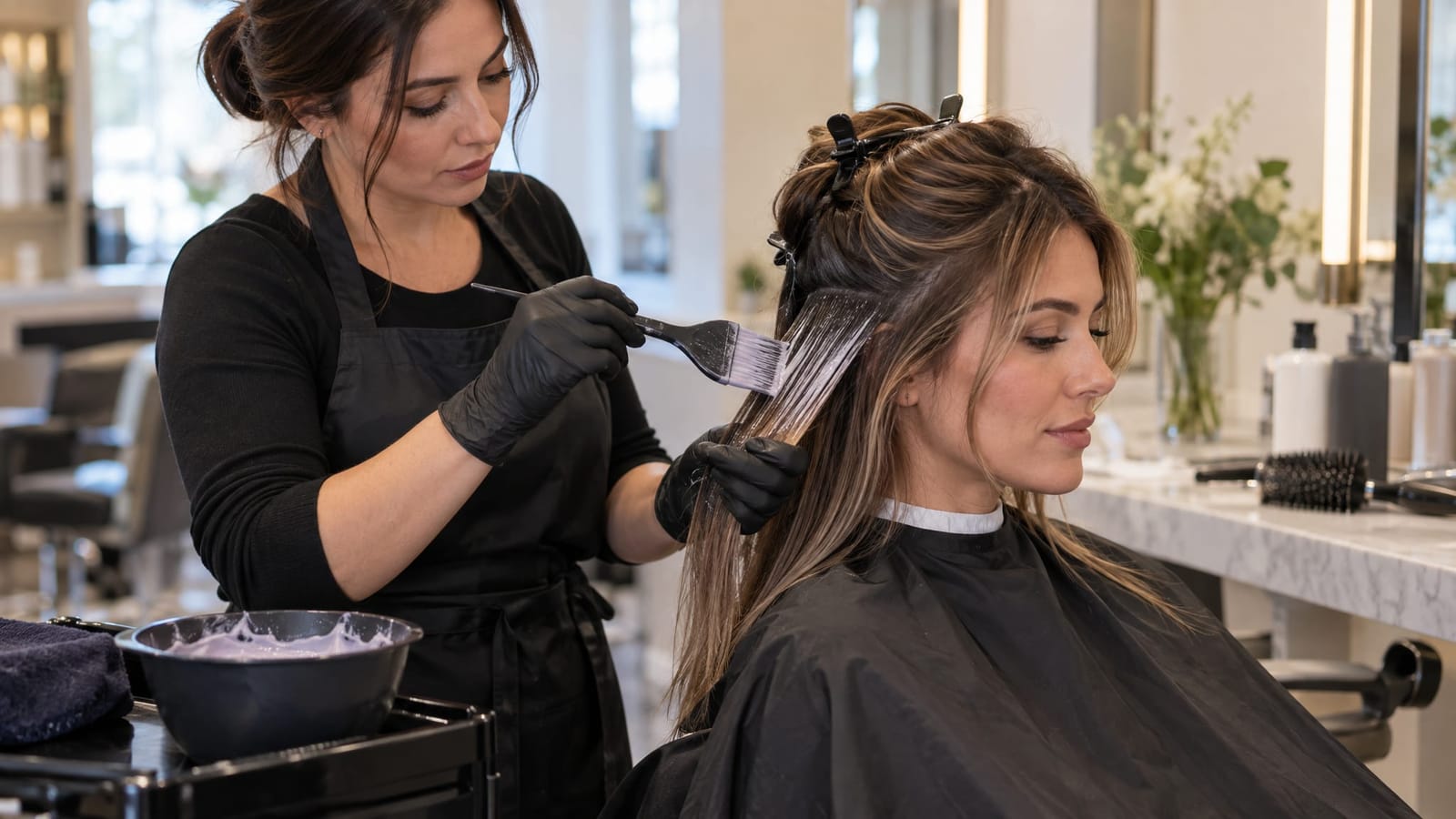
A gloss usually refreshes shine and, when tinted, color. A glaze generally gives a lighter, more temporary shine or color enhancement. A toner adjusts unwanted tones or creates a particular shade. The important distinction is that these categories overlap: a tinted gloss can also be the toner used after highlights.
Salon terminology varies, so the formula and intended result matter more than the service name alone. If your hair looks dull, too warm, or less vibrant than it did after your color appointment, the right choice starts with identifying what you want to change. Here is how gloss, glaze, and toner compare in practice.
Gloss vs. Glaze vs. Toner at a Glance
| Comparison | Hair gloss | Hair glaze | Hair toner |
|---|---|---|---|
| Main purpose | Refresh shine and enhance or adjust color | Add a light shine boost or sheer color enhancement | Neutralize unwanted tones or refine a shade |
| Color options | Clear or tinted | Clear or tinted, depending on the formula | Pigmented to create a specific tonal result |
| Typical format | Often a demi-permanent color service | Often a more surface-focused, temporary finish | A color service whose formula depends on the correction needed |
| Common use | Refreshing faded lengths or refining highlights | Enhancing shine when a substantial color change is not the goal | Softening yellow, orange, or other unwanted undertones |
| Main limitation | A deposit-only gloss does not create lighter highlights | A sheer finish has limited color-correcting power | Tone adjustment does not replace lightening when the hair needs to be lighter |
These are useful starting points, not three mutually exclusive choices. A service described as a “toning gloss,” for example, combines a formula type with the job it performs.
Hair Gloss vs. Glaze: The Difference Is More Than Shine
Gloss offers more scope for a color refresh
A hair gloss can be clear, with shine as the main goal, or tinted to enhance the color already present. A brunette gloss might bring back richness through faded lengths. A blonde gloss might soften excess warmth or create a beige finish.
Many salon glosses use demi-permanent color, meaning color that gradually fades rather than behaving like a permanent color application. These formulas are mixed with a developer, which helps the color process, and can deposit pigment within the hair rather than simply leaving a surface coating.
That makes a tinted gloss useful when the desired change involves both shine and tone. The formula can be selected to maintain a shade, deepen it, or shift its warmth. “Gloss” does not automatically mean darker hair, but adding pigment can make the finished color look richer or deeper.
A clear gloss is a different decision. It is intended to enhance the finish without deliberately adding a new shade, so it is not the option for correcting brassiness.
Glaze generally provides a lighter finishing effect
A glaze is commonly used for a more temporary, surface-focused finish. It can be a good match when you like your current color and want it to look more polished without a substantial tonal change.
Some glazes are clear; others contain a sheer tint. That distinction matters. A clear glaze focuses on shine, while a tinted glaze can subtly enhance warmth, richness, or another color direction.
The familiar explanation that “gloss goes inside the hair and glaze sits outside it” is helpful shorthand, but it is not a universal product definition. Some salons use the names interchangeably. A more useful comparison asks whether the product is clear or tinted, whether it uses developer, and how much color adjustment it is designed to make.
If you want only a shine refresh, a more intensive tonal service may be unnecessary. If you want a noticeable color correction, a sheer glaze may not go far enough.
Where Toner Fits: It Describes the Color Goal
Toner is best understood by what it does: it refines the tone of the hair. It is not necessarily a completely different product category from gloss.
After lightening, hair can reveal yellow, orange, or other warm undertones. A toner uses selected pigments to balance those tones or create an intentional finish. Violet-based color can counter yellow, while blue-based color can counter orange. The formula depends on the shade already present and the result you want.
Toning is not limited to making blonde hair cooler. It can also create golden, beige, copper, or richer brunette effects. Warmth is not automatically something to remove. A honey blonde and an icy blonde simply have different tonal goals.
Why toner cannot solve every color concern
Tone and lightness are separate qualities. Hair can be light enough but too yellow, making toning a useful next step. Hair can also be darker than the desired result, in which case adding a cool tone will not necessarily make it look lighter.
For example, orange-toned highlights that are still too dark for a pale blonde result need a different conversation from pale yellow highlights that only need refinement. Treating both situations as “just add toner” overlooks the starting color.
Which Service Fits Your Goal?
Start with the change you want to see rather than choosing a treatment by name.
- “I like my color, but it looks dull.” A clear gloss or glaze keeps the focus on shine. The choice comes down to the formula and how temporary you want the finish to be.
- “My brunette color looks faded through the ends.” A tinted gloss can restore a richer appearance without treating new growth and faded lengths as the same problem.
- “My highlights look more yellow than I want.” A toning service, potentially delivered through a gloss, can refine the warmth if the highlights are already light enough.
- “My blonde feels too cool or flat.” A warmer toning formula can introduce a softer beige or golden direction. Toner does not always mean ash.
- “I want shine before an event, but I love my shade.” A clear finish avoids deliberately adding color. That is a more relevant distinction than whether the menu calls it a gloss or glaze.
- “I want substantially lighter hair.” A deposit-only gloss, glaze, or toner is not a replacement for a lightening service.
For natural, uncolored hair, the same logic applies. A clear service focuses on the finish, while a tinted service introduces color. Low commitment does not mean that every tinted formula will leave every starting shade unchanged.
How Long Do Gloss, Glaze, and Toner Last?
A sheer, surface-focused glaze generally fades sooner than a demi-permanent gloss. A demi-permanent gloss typically wears gradually over several weeks. Toner does not have a separate lifespan of its own: its staying power follows the formula used to create the tone.
When comparing hair gloss vs glaze longevity, it helps to separate the shine effect from the color effect. The polished finish may become less noticeable before all of the deposited pigment has faded.
What changes the way a refresh wears?
- Washing frequency: More frequent shampooing generally gives temporary and demi-permanent color more opportunities to fade.
- Hair porosity: Porosity describes how readily hair absorbs and releases moisture and color. Previously lightened sections can take up and hold pigment differently from uncolored roots.
- The shade selected: A subtle beige adjustment and a stronger tonal shift will not necessarily fade in the same way.
- Styling and exposure: Frequent high heat and sun exposure can contribute to fading and a less polished appearance.
Gradual fading also does not promise a perfectly even return to the starting shade. Lighter or more porous areas can retain some tones differently, which is especially relevant when considering a noticeable tint.
Keep maintenance simple
A shampoo suited to color-treated hair, regular conditioning, and heat protection support the look between appointments. Follow the care directions for the formula used rather than assuming that every gloss or glaze needs the same routine.
Purple or blue shampoo is not an automatic addition. It deposits pigment, so it is most useful when its color matches the tone you are trying to balance. Repeated use can shift a finish cooler than intended.
What These Services Can and Cannot Replace
A refresh service works best when the underlying color placement still suits you. If you love your balayage but the blonde has become warmer, toning may address the concern without adding new highlights.
New growth is a separate issue. A gloss through the lengths does not move highlights closer to the scalp. Likewise, softening the appearance of gray with a tinted formula is different from achieving opaque root coverage.
Glossing and glazing are also distinct from smoothing and conditioning services. They can leave hair looking shinier and feeling softer, but they do not permanently repair split ends or deliver the same result as a keratin smoothing treatment.
Sometimes the most useful plan combines services for different jobs: a root touch-up for new growth and a gloss for faded lengths, for example. The value is in treating each area according to what it needs, rather than applying more color everywhere.
How We Match the Refresh to Your Hair at Meraki
At Meraki Salon & Spa in Mountainside, we offer glazing, toners, and glossing alongside custom color, balayage, and highlights. Our services are personalized to your style and lifestyle, so the starting point is the result you want, not simply a product name.
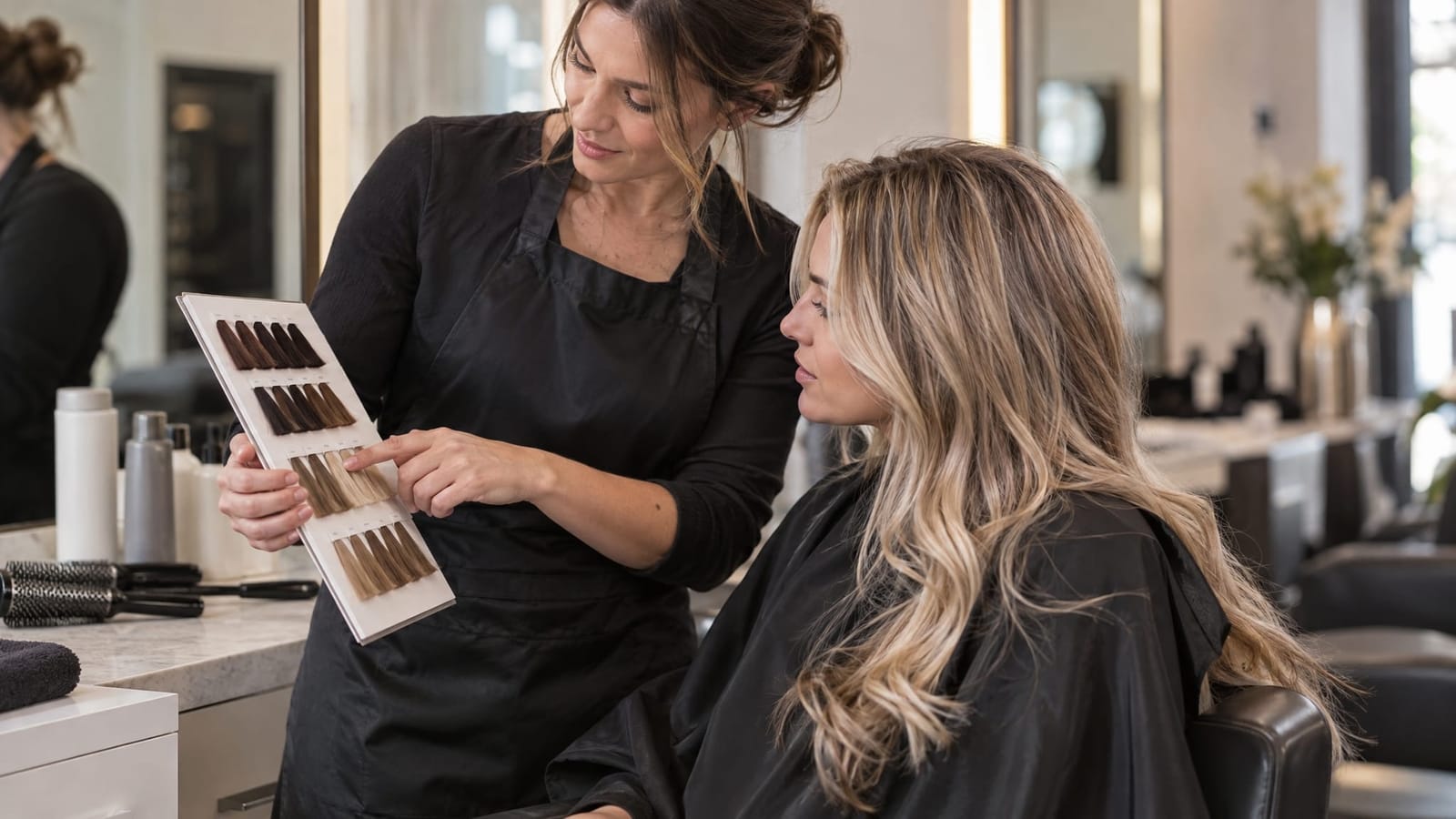
A useful consultation connects your current color with your preferred finish and maintenance routine. A few details make that conversation more specific:
- Describe what feels different: Is the color dull, too warm, too cool, uneven, or simply grown out?
- Bring a reference photo: Identify what you like about it, such as brightness, beige tones, richness, or shine.
- Share your recent color history: Include at-home color and tinted conditioners, not just salon appointments.
- Explain what you want to preserve: Keeping brightness around the face may matter more to you than cooling every warm strand.
- Describe your routine: Washing frequency, heat styling, and your preferred upkeep help shape a practical recommendation.
For example, “I want less yellow, but I do not want my blonde to look darker” gives a clearer direction than “I need toner.” It identifies both the goal and the tradeoff to manage.
The Best Choice Starts With the Result
Choose by purpose: shine, color refresh, or tone adjustment. Gloss and glaze describe overlapping types of services; toner describes a color-refining function. Matching the formula to your starting hair and desired finish matters far more than choosing one label over another.