Hair Treatment Consultation: Choosing the Right Service for Your Hair
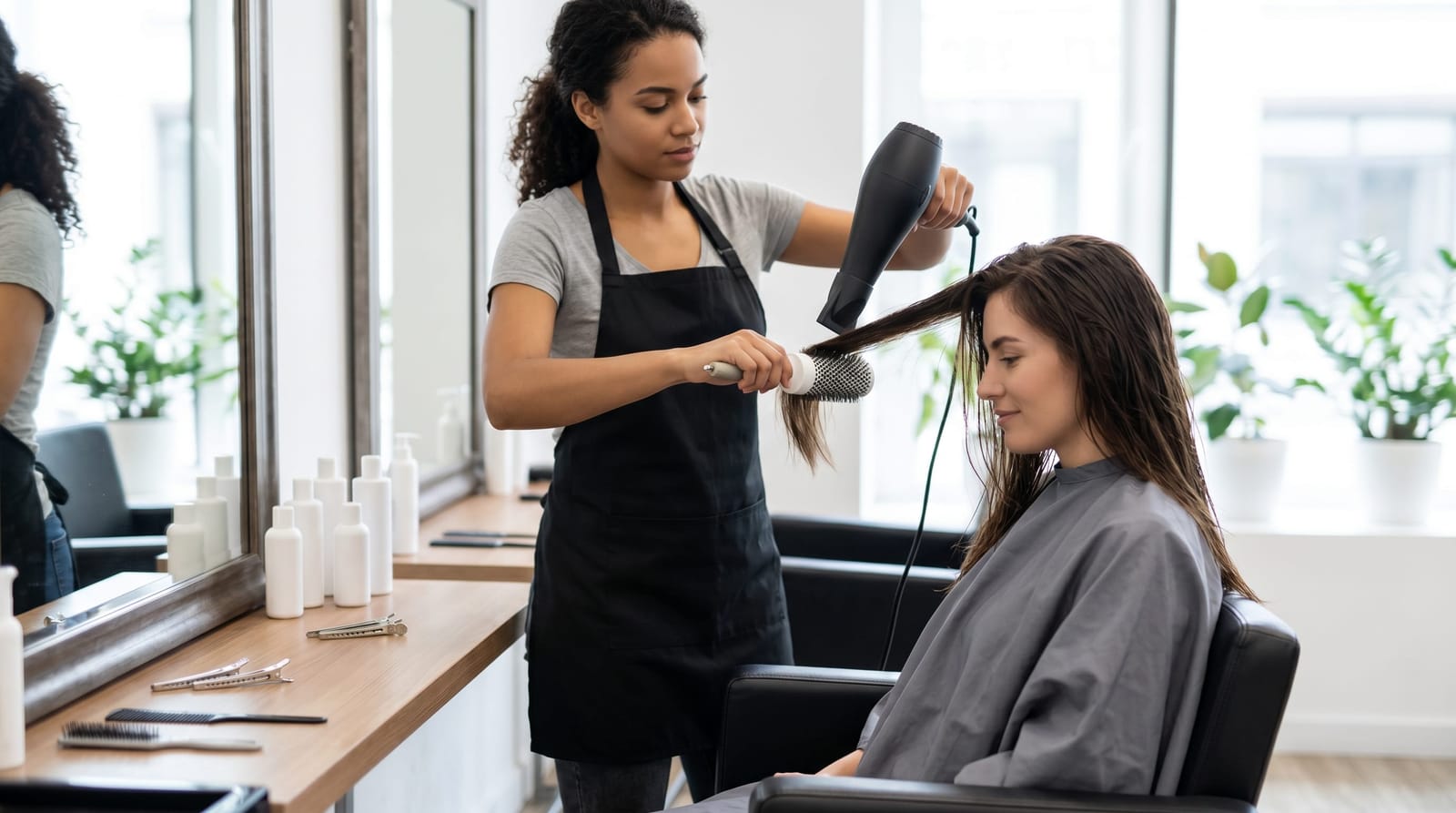
When it comes to professional hair treatments, one size absolutely does not fit all. Whether you're dealing with chronic frizz, heat damage, chemical processing, or simply hair that feels lifeless and dry, the path to healthier hair starts with one essential step: a professional consultation. As part of our broader approach to professional hair treatments including keratin smoothing and deep conditioning, a thorough hair treatment consultation in NJ helps our stylists understand exactly what your hair needs, and what it can handle, before any product or service is applied. In this guide, we'll walk you through what a professional hair analysis involves, how treatment recommendations are made, how treatments can be combined with color services, and how a personalized treatment plan is built to deliver lasting results.
What Is a Professional Hair Treatment Consultation?
A hair treatment consultation is a structured, in-depth assessment of your hair's current condition, history, and goals. It's far more than a quick glance before your appointment: it's a diagnostic conversation that shapes every decision your stylist makes. At Meraki, our consultations are designed to uncover the full picture of your hair's health so we can recommend treatments that genuinely work.
The Hair Analysis Process
During a professional hair consultation, your stylist will examine several key factors:
- Porosity: How well your hair absorbs and retains moisture. High-porosity hair drinks up product quickly but loses it just as fast, while low-porosity hair resists absorption entirely.
- Elasticity: Healthy hair stretches approximately 30% of its length when wet without breaking. Poor elasticity is one of the earliest signs of protein deficiency or damage.
- Density and diameter: Fine hair requires lighter formulations, while coarse or thick hair can handle more intensive treatment protocols.
- Scalp condition: Dryness, oiliness, sensitivity, and any scalp concerns that could affect treatment selection or timing.
- Chemical history: Previous color, bleaching, relaxers, perms, or prior keratin treatments that affect the integrity of the hair shaft.
- Heat damage patterns: Where and how damage is concentrated, often most severe at the ends or around the hairline where styling tools are used most frequently.
Research indicates that over 60% of clients who experience poor results from hair treatments had services applied without a proper pre-treatment assessment. Understanding your hair's baseline is not a formality: it's the foundation of every successful outcome. To learn more about exactly what takes place step by step, explore our detailed breakdown of the hair consultation process.
Reading the Signs: How Stylists Assess Hair Condition
Professional stylists are trained to identify damage patterns and deficiencies that most clients simply don't notice or don't know how to interpret. A skilled stylist can often diagnose significant issues within the first few minutes of examining your hair, and those observations directly shape what gets recommended.
Common Hair Conditions and What They Indicate
Here's how different observable conditions translate into treatment decisions:
- Frizz and flyaways: Often signals high porosity, humidity sensitivity, or a compromised cuticle layer: pointing toward smoothing treatments or bond-building services.
- Rough texture after washing: Typically indicates significant cuticle damage or protein loss, making deep conditioning or reconstructing treatments a priority.
- Excessive tangling: Can point to severe dryness, mechanical damage, or cuticle roughness, usually addressed with intense moisture treatments first.
- Lack of shine: The cuticle is not lying flat, which scatters light rather than reflecting it. Smoothing and sealing treatments dramatically improve this.
- Breakage at mid-shaft: A classic sign of protein deficiency requiring strengthening treatments before any additional chemical services.
- Limp, weighed-down hair: Often caused by product buildup or over-moisturizing without adequate protein balance: requiring a different approach entirely.
Studies suggest that approximately 40% of women report experiencing noticeable hair damage from heat styling alone, with damage becoming measurable after as few as 8 repeated exposures at temperatures above 365°F. Identifying these damage patterns early allows for targeted intervention rather than reactive repair.
Matching the Right Treatment to Your Hair Type and Goals
Once your stylist has a clear picture of your hair's condition, the next step is matching the right service, or combination of services, to your specific needs and lifestyle. This is where a hair treatment consultation in NJ becomes genuinely valuable, because the treatment menu means nothing without the context of your individual hair profile.
Keratin Smoothing: Who It's Right For
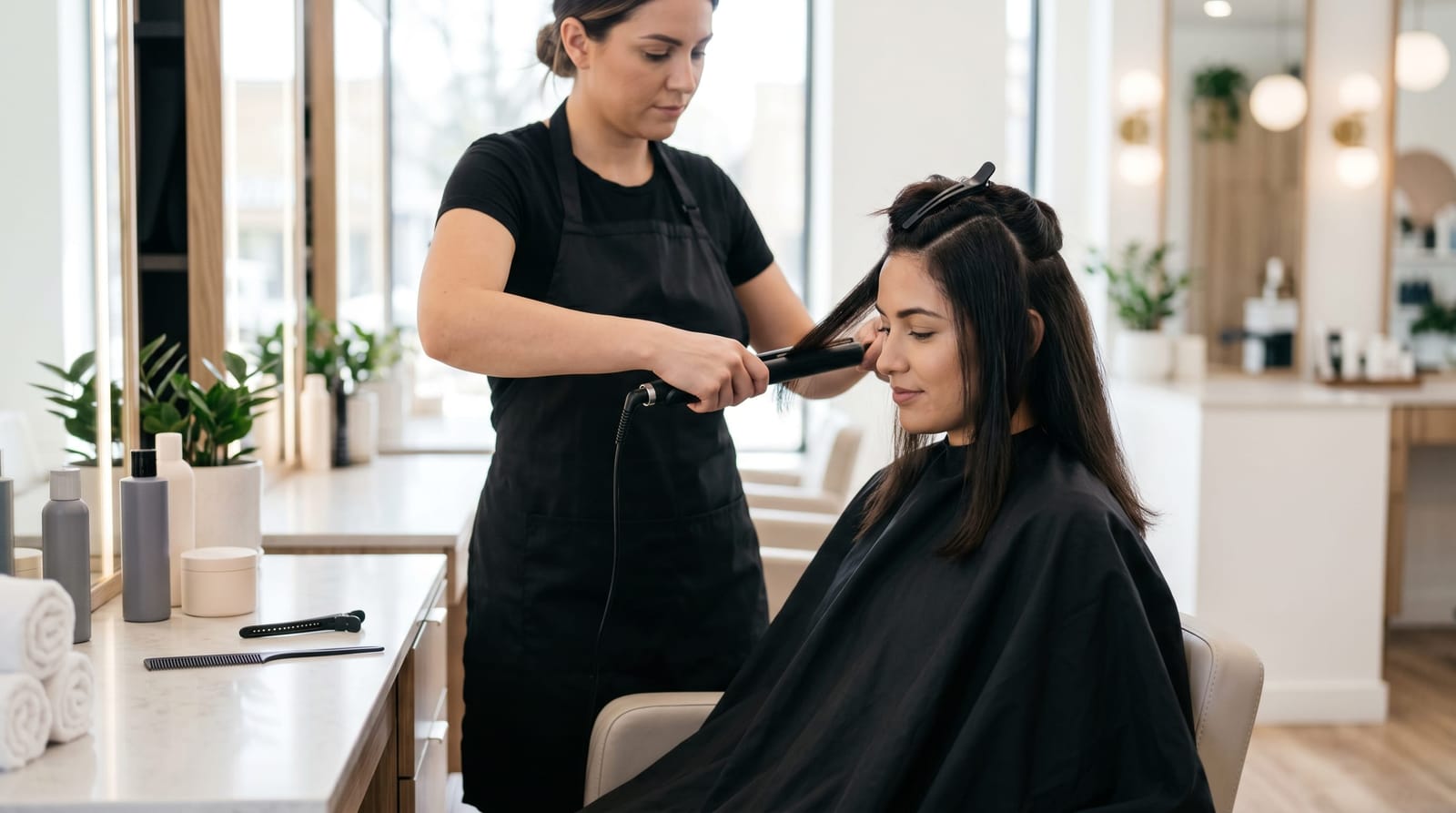
Keratin smoothing treatments are ideal for clients who deal with frizz, humidity-driven volume, or hair that takes excessive time to style. Clients with wavy to curly hair textures, those who spend more than 45 minutes daily on heat styling, or those frustrated by unmanageable weather-related frizz are typically excellent candidates. If your consultation reveals that your hair is moderately to highly porous with intact structural integrity, a keratin smoothing treatment NJ can dramatically reduce styling time, often by 50% or more, while improving overall shine and manageability.
Deep Conditioning: Who Benefits Most
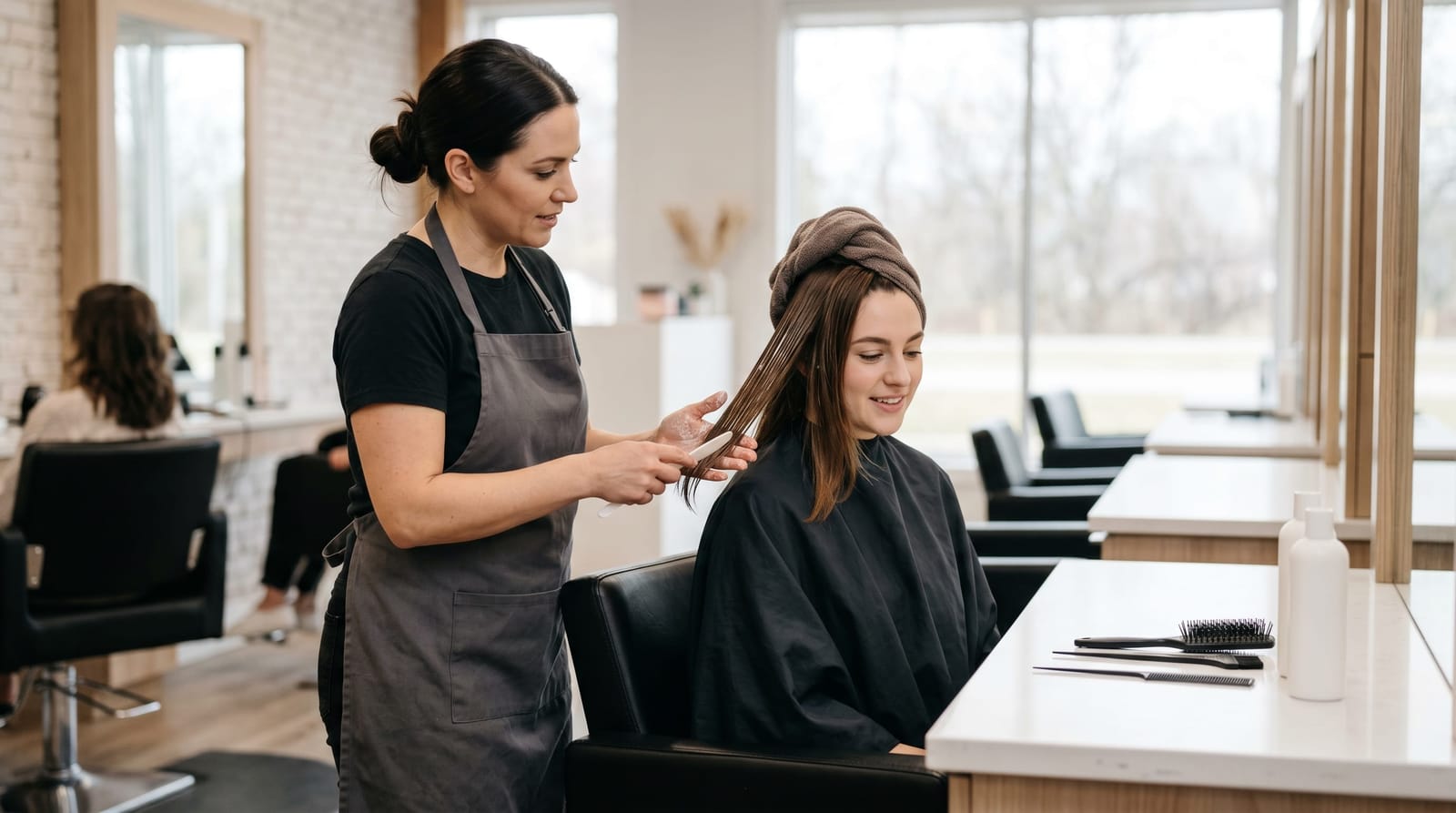
Deep conditioning treatments are the right first step when hair is compromised, depleted, or simply not in optimal health for a more intensive service. Clients who have recently bleached or colored their hair, experienced heat damage, or are transitioning away from chemical relaxers typically need intensive moisture and protein restoration before anything else. A professional deep conditioning treatment salon service goes far beyond an at-home mask: professional-grade formulations penetrate the cortex rather than simply coating the surface, delivering measurable improvements in elasticity and strength after just one session.
When Multiple Treatments Are Recommended
Many clients benefit from a sequenced treatment approach. For example, a client with highly porous, frizzy hair that has been damaged by bleaching might be recommended a series of deep conditioning treatments over 4-6 weeks to restore moisture balance and elasticity, followed by a keratin smoothing service once the hair's integrity has been rebuilt. Skipping this sequence is one of the most common reasons clients are disappointed with their results.
Combining Hair Treatments With Color Services
One of the most frequent questions we receive during consultations is whether clients can combine hair treatments with color services, and the answer depends entirely on the timing, sequence, and the current condition of the hair.
Sequencing Matters More Than You Think
Here's a general framework for how treatments and color can work together:
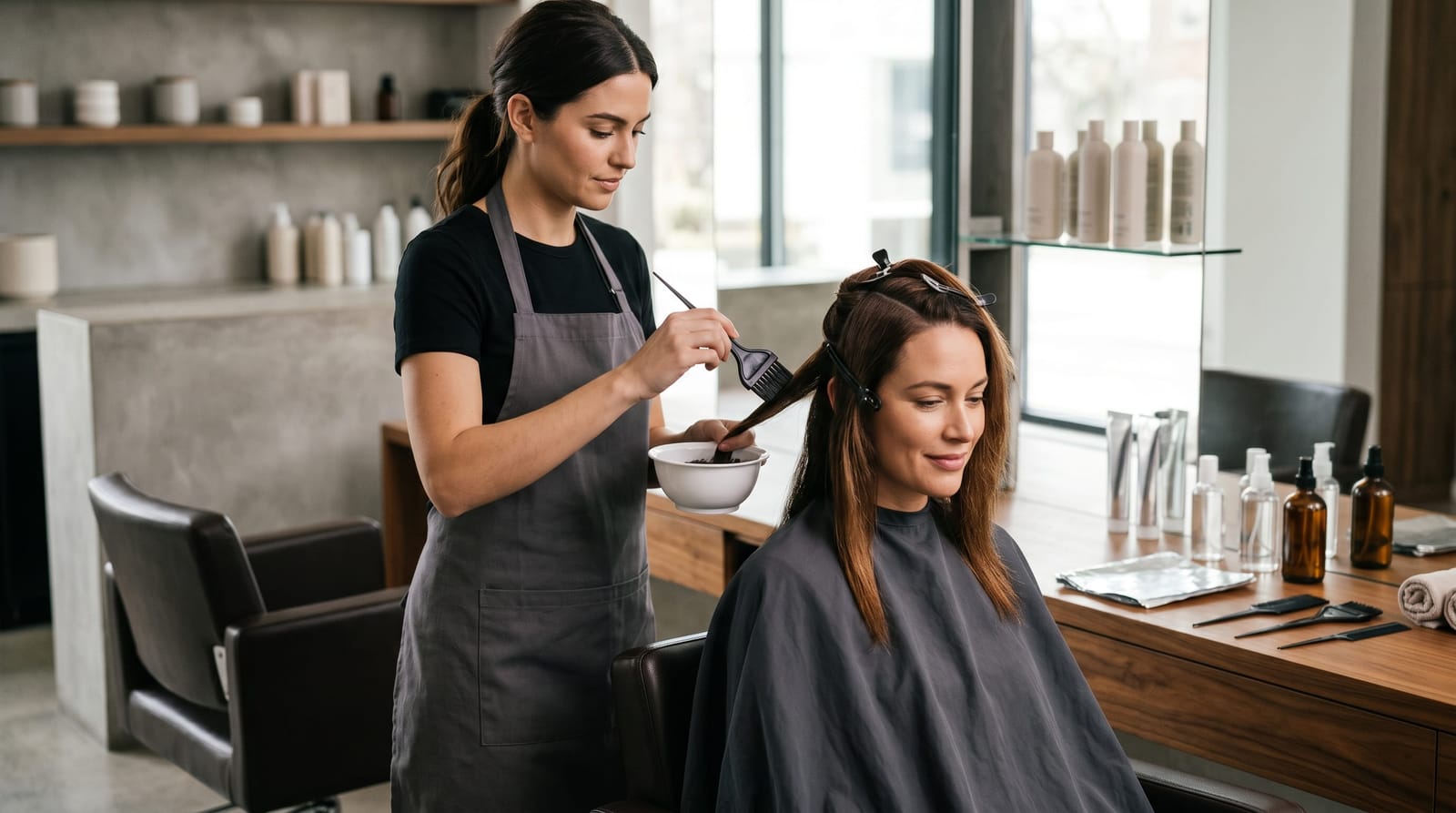
- Color first, then keratin: In most cases, color services should be performed before a keratin smoothing treatment. The keratin process seals the cuticle, which helps lock in color vibrancy and extends fade time. Many clients report that their color looks more dimensional and lasts 2-3 weeks longer after a keratin treatment is applied over freshly colored hair.
- Deep conditioning before color on compromised hair: If your hair is significantly damaged, applying color to already-stressed strands increases breakage risk. A deep conditioning or bond-building treatment 1-2 weeks before color service prepares the hair to accept dye more evenly and with less structural stress.
- Allow 72 hours between services: As a general rule, at least 72 hours should separate most chemical or intensive treatment services to allow the hair's pH and cuticle to stabilize.
- Glossing treatments as a bridge: Toning glosses and shine treatments can often be safely combined in the same appointment as a deep conditioning service, making them a popular option for clients who want both color refresh and moisture restoration in one visit.
Your stylist will map out the ideal sequence during your consultation, taking your color goals, treatment priorities, and appointment schedule into account simultaneously.
Building a Personalized Hair Treatment Plan
The most significant outcome of a professional consultation isn't just the service you book that day: it's the customized treatment roadmap you leave with. A well-constructed hair treatment plan accounts for where your hair is now, where you want it to be, and a realistic timeline for getting there.
Elements of an Effective Treatment Plan
- Starting assessment: A documented baseline of your hair's porosity, elasticity, damage level, and any chemical history on file.
- Short-term priority treatments: The immediate service or services needed to address the most pressing concerns, whether that's moisture restoration, frizz control, or strengthening.
- Maintenance schedule: Recommended frequency for follow-up treatments. Deep conditioning is typically recommended every 4-6 weeks for damaged hair; keratin treatments generally last 3-5 months depending on hair type and aftercare routine.
- At-home care protocol: Specific product recommendations that support your professional treatments between appointments, including sulfate-free shampoos, bond-building serums, and heat protectants tailored to your hair type.
- Progress check-ins: Scheduled reassessment points where your stylist evaluates whether the plan is delivering results and adjusts recommendations accordingly.
Clients who follow a structured treatment plan see measurably better results than those who book services reactively. In fact, stylists consistently report that clients on maintenance plans require fewer intensive repair treatments over time, because regular upkeep prevents the accumulation of damage that makes recovery so much harder.
Honest Expectations Are Part of the Process
An important part of any professional consultation is setting realistic expectations. Severely damaged hair does not recover in a single session: no treatment, regardless of how premium the formulation, can reverse years of damage in one appointment. A trustworthy stylist will be upfront about timelines, the limits of what treatments can achieve, and when a haircut to remove the most compromised lengths might actually be the fastest path to healthy-looking hair.
Conclusion
A professional hair treatment consultation is the most important appointment you'll make for your hair, because every effective treatment plan begins with understanding exactly what your hair needs. From analyzing porosity and elasticity to sequencing color services with keratin or conditioning treatments, the expertise behind a great consultation is what separates genuinely transformative results from disappointing ones. If you're ready to stop guessing and start seeing real improvement in your hair's health, texture, and manageability, book your hair treatment consultation in NJ at Meraki today. Our experienced stylists will assess your hair thoroughly, walk you through your options, and build a personalized plan that actually works for your hair, and your life.