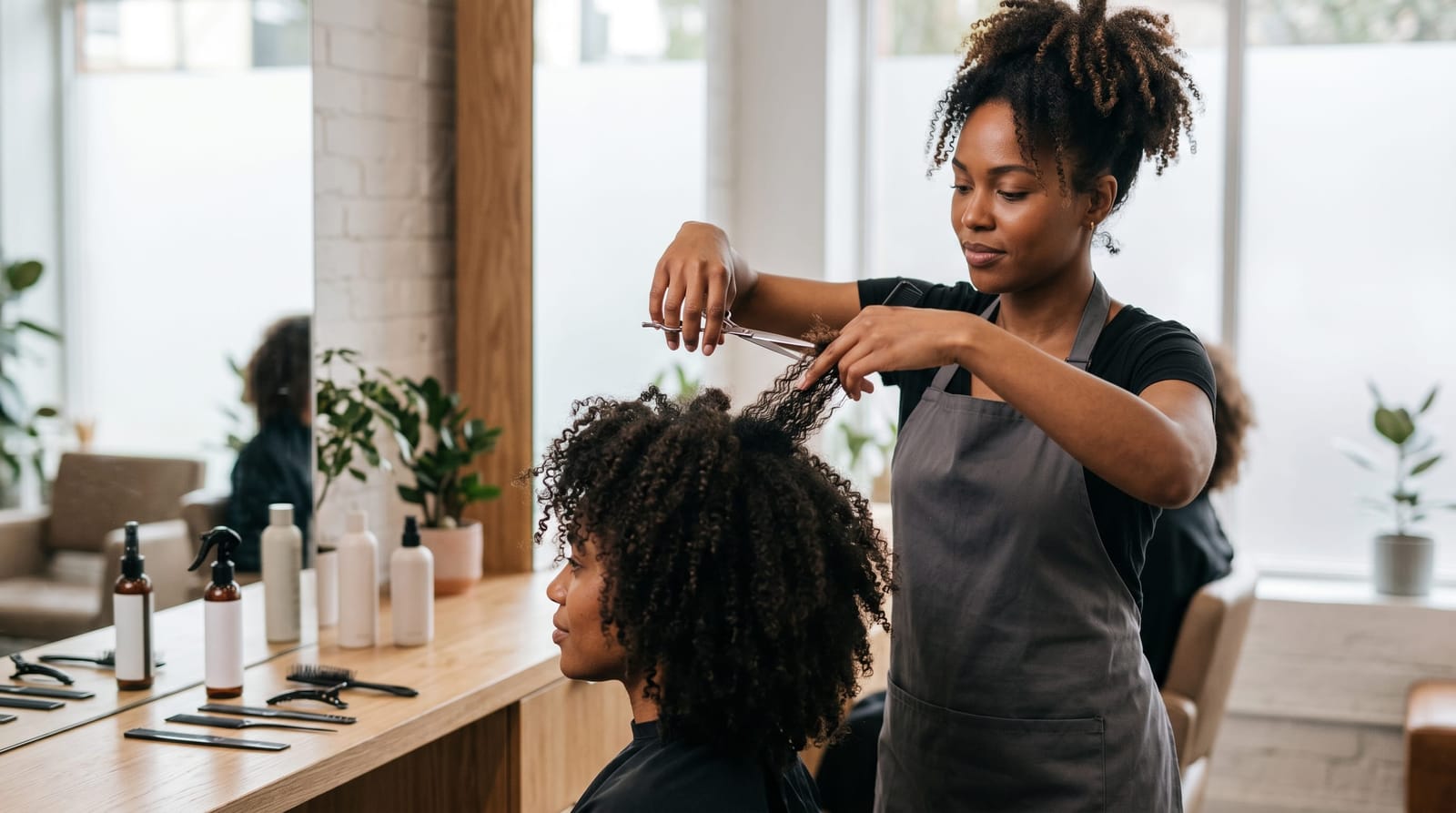
How Often Should You Get a Haircut?

One of the most common questions clients ask at our hair salon in Westfield, NJ is simple but surprisingly nuanced: how often should I actually be getting a haircut? Whether you're trying to maintain a precise short style or grow out long layers, your haircut frequency schedule matters more than most people realize. The right schedule keeps your cut looking intentional, your ends healthy, and your overall style on point. This guide breaks it all down by hair length, type, and lifestyle so you can stop guessing and start planning.
Why Your Haircut Frequency Schedule Actually Matters
A lot of people only book an appointment when their hair starts to bother them, when it's too long, too frizzy, or completely shapeless. But by that point, you've likely already lost some of the style integrity your stylist worked hard to create. Skipping timely trims doesn't just affect your look; it affects the health of your hair.
When hair isn't trimmed regularly, split ends travel up the hair shaft, causing breakage, frizz, and dullness that no amount of conditioner can fully fix. Regular trims remove that damage before it spreads. For styled haircuts, think precision bobs, tapers, or textured layers, the shape starts to blur after a few weeks, and growing it out unevenly can make the style look unintentional rather than effortlessly lived-in.
Following a consistent haircut frequency schedule also makes each salon visit faster and easier. Your stylist spends less time correcting damage and more time refining your look. Over time, clients who stick to a schedule tend to have healthier, more manageable hair, and they spend less time styling it at home.
Haircut Frequency by Hair Length
Short Hair: Every 4-6 Weeks
Short haircuts, pixie cuts, tapers, fades, close-cropped styles, require the most frequent maintenance on your haircut frequency schedule. Because there's so little hair to work with, even a quarter-inch of new growth can noticeably change the shape. For men with fades or taper cuts, a 3-4 week haircut frequency schedule is often necessary to maintain a clean, professional appearance. Women with short pixie or undercut styles typically fall in the 4-6 week range.
The upside? These visits tend to be quick. You're not dealing with much length, just precise reshaping. Many clients with short styles build their haircut frequency schedule around the calendar: every first or last week of the month, for example, making it easy to stay consistent.
Medium Hair: Every 6-8 Weeks
Medium-length styles, shoulder-length cuts, lobs, mid-length bobs, sit in a sweet spot on the haircut frequency schedule. There's enough length to handle a few weeks of growth without losing the shape entirely, but not so much that you can go indefinitely between trims. A 6-8 week haircut frequency schedule works well for most people in this category.
If your medium-length hair is color-treated, lean toward the 6-week end of the schedule. Chemical processes weaken the hair shaft, making split ends more likely. If your hair is naturally healthy and on the coarser side, you may be able to stretch to 8 weeks without noticeable damage.
Long Hair: Every 8-12 Weeks
Long hair doesn't need reshaping as frequently, but it absolutely still needs regular trims. A haircut frequency schedule of every 8-12 weeks prevents split ends from traveling up the shaft and causing the kind of breakage that can make long hair look thin and ragged at the ends. If you're actively trying to grow your hair longer, a light dusting trim every 8 weeks actually helps you retain length by stopping damage in its tracks.
Long hair that's heavily layered may need attention closer to the 8-week mark to keep the layers blending smoothly. Very straight, fine long hair tends to show split ends more obviously, so erring on the more frequent side of your haircut frequency schedule makes sense.
Factors That Affect Your Personal Haircut Frequency Schedule
No two heads of hair are the same, and your ideal haircut frequency schedule depends on more than just length. Here are the key factors to consider:
- Hair texture: Curly and coily hair textures are naturally drier, which can mean more susceptibility to breakage. However, because curly hair tends to shrink, growth isn't as visually noticeable, and some clients can stretch their haircut frequency schedule slightly longer.
- Color and chemical treatments: Bleached, permed, or relaxed hair is structurally more fragile. Stick to the shorter end of your recommended haircut frequency schedule to stay ahead of damage.
- Heat styling habits: If you use heat tools daily, you'll need trims more often. Heat causes moisture loss and breakage over time, which means more frequent visits on your haircut frequency schedule.
- Hair growth rate: The average person's hair grows about half an inch per month, but genetics, diet, hormones, and age can all affect this. If your hair grows faster than average, you'll need to revisit your haircut frequency schedule accordingly.
- Your style goals: Maintaining a precise cut demands more frequent visits than simply keeping hair healthy. When choosing a new style, it also helps to consider your haircut for face shape: the right shape can actually make your cut look fresh for longer between appointments.
Signs You've Waited Too Long: And How to Get Back on Schedule
Sometimes life gets in the way and your haircut frequency schedule slips. Here's how to tell if you've pushed it too far:
- Your ends look wispy, see-through, or uneven
- Your layers have grown out and the style looks shapeless
- You're experiencing more tangles and breakage than usual
- Your color looks faded or brassy partly because your ends are damaged
- You're spending significantly more time styling to make your hair look presentable
If you've fallen behind on your haircut frequency schedule, don't panic. A good stylist can assess the condition of your ends and recommend either a clean-up trim or a slightly more significant cut to remove damage and reset your shape. From there, committing to a regular haircut frequency schedule will get your hair back on track within a few visits.
A practical tip: book your next appointment before you leave the salon. This keeps your haircut frequency schedule from slipping and ensures you get your preferred time slot.
Frequently Asked Questions About Haircut Frequency
Does trimming your hair make it grow faster?
Trimming does not directly speed up hair growth, which happens at the scalp. However, regular trims remove split ends that cause breakage, which means your hair retains more length over time. Following a consistent haircut frequency schedule helps you appear to grow hair faster because you're not losing length to damage.
Can I follow the same haircut frequency schedule if I'm growing my hair out?
Yes, in fact, a regular haircut frequency schedule is especially important when growing out your hair. Light trims every 8-10 weeks remove split ends without significantly reducing length, keeping your hair healthy enough to grow. Skipping trims while growing out often backfires, leading to damage that forces a bigger cut later.
How does my haircut frequency schedule change with curly hair?
Curly hair benefits from trims every 8-12 weeks depending on the curl pattern, porosity, and styling habits. Tighter curl patterns can often go a bit longer between trims since shrinkage masks growth. If you use a lot of heat or chemical treatments on curly hair, move closer to an 8-week haircut frequency schedule to prevent excessive dryness and breakage.
Is it worth getting a haircut if I'm not cutting off much length?
Absolutely. Maintenance trims aren't about removing length: they're about removing damage and preserving the shape of your cut. Even removing just half an inch on a regular haircut frequency schedule makes a meaningful difference in the health and appearance of your hair over time.
The Bottom Line on Haircut Frequency
Your ideal haircut frequency schedule comes down to your hair length, texture, treatments, and style goals, but the general rule is this: short hair every 4-6 weeks, medium hair every 6-8 weeks, and long hair every 8-12 weeks. Staying consistent prevents damage, keeps your style looking sharp, and makes your overall hair health easier to maintain. Whether you're committed to a precise cut or simply keeping your hair in great condition, building a regular haircut frequency schedule is one of the easiest investments you can make in how you look and feel.