Is a Hair Glaze the Same as a Deep Conditioning Treatment?
No. A hair glaze and a deep conditioning treatment can both leave hair looking shinier, but their main jobs are different. A glaze focuses on your hair’s finish, adding shine and, when tinted, refreshing color tone. Deep conditioning focuses on softness, detangling and manageability.
That distinction matters when choosing a salon treatment. Color that looks too warm needs a different approach from hair that feels rough or tangles easily. If both concerns are present, combining services may make sense. Bond-building treatments belong to another category, with a focus on strengthening rather than simply adding softness or adjusting color.
Hair Glaze vs. Deep Conditioning: A Side-by-Side Comparison
| Treatment | Main purpose | When it may fit | What it does not replace |
|---|---|---|---|
| Hair glaze or gloss | Enhance shine and, with a tinted formula, refine color tone. | Your color looks faded, warmer than intended or less polished. | Conditioning for persistent roughness or tangling. |
| Deep conditioning | Improve softness, smoothness and ease of detangling. | You like your color, but your hair feels dry, rough or difficult to manage. | A color service to adjust unwanted tones. |
| Bond-building treatment | Help strengthen hair through a product-specific formula. | Strength is a concern, particularly with chemically processed hair. | Color correction, regular conditioning or trimming split ends. |
These categories can overlap. A gloss may contain conditioning ingredients, and a conditioning mask may include strengthening ingredients. The useful distinction is the treatment’s primary purpose, not simply whether the finished hair looks shiny.
A Hair Glaze Focuses on Color and Finish
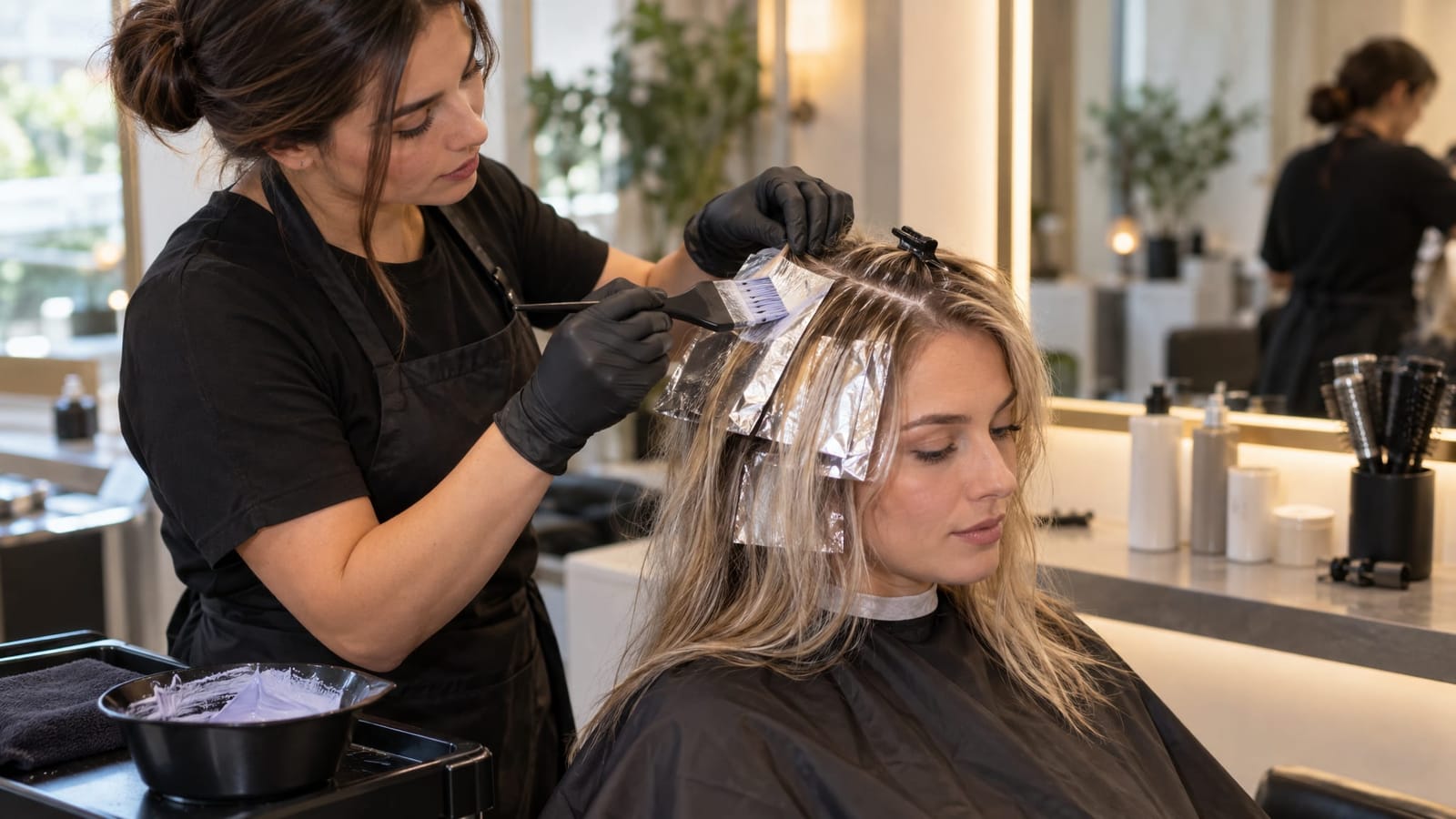
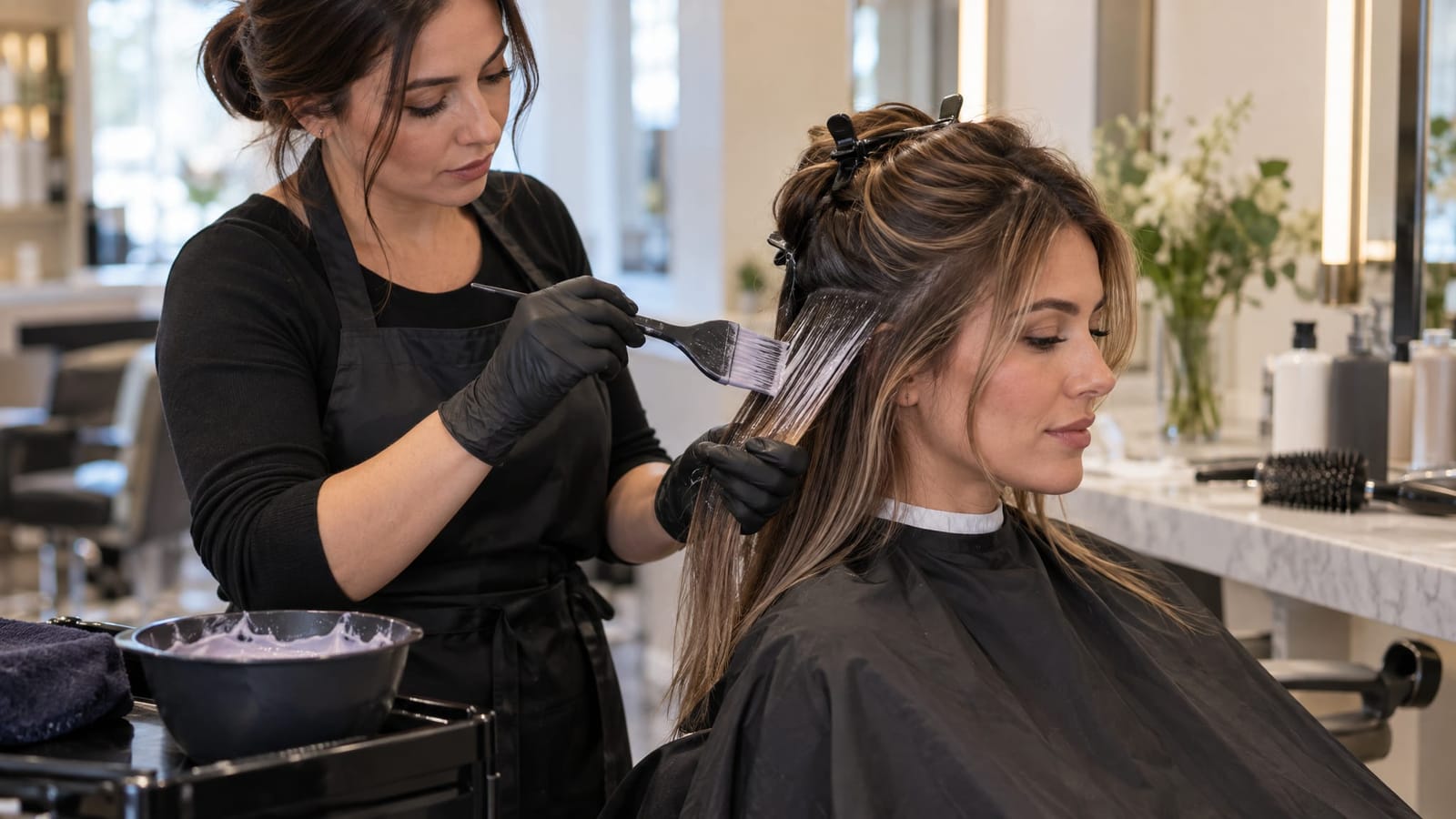
A glaze is generally a cosmetic finishing service. A clear formula emphasizes shine without intentionally adding a new shade. A tinted formula deposits color to refresh or adjust the existing tone.
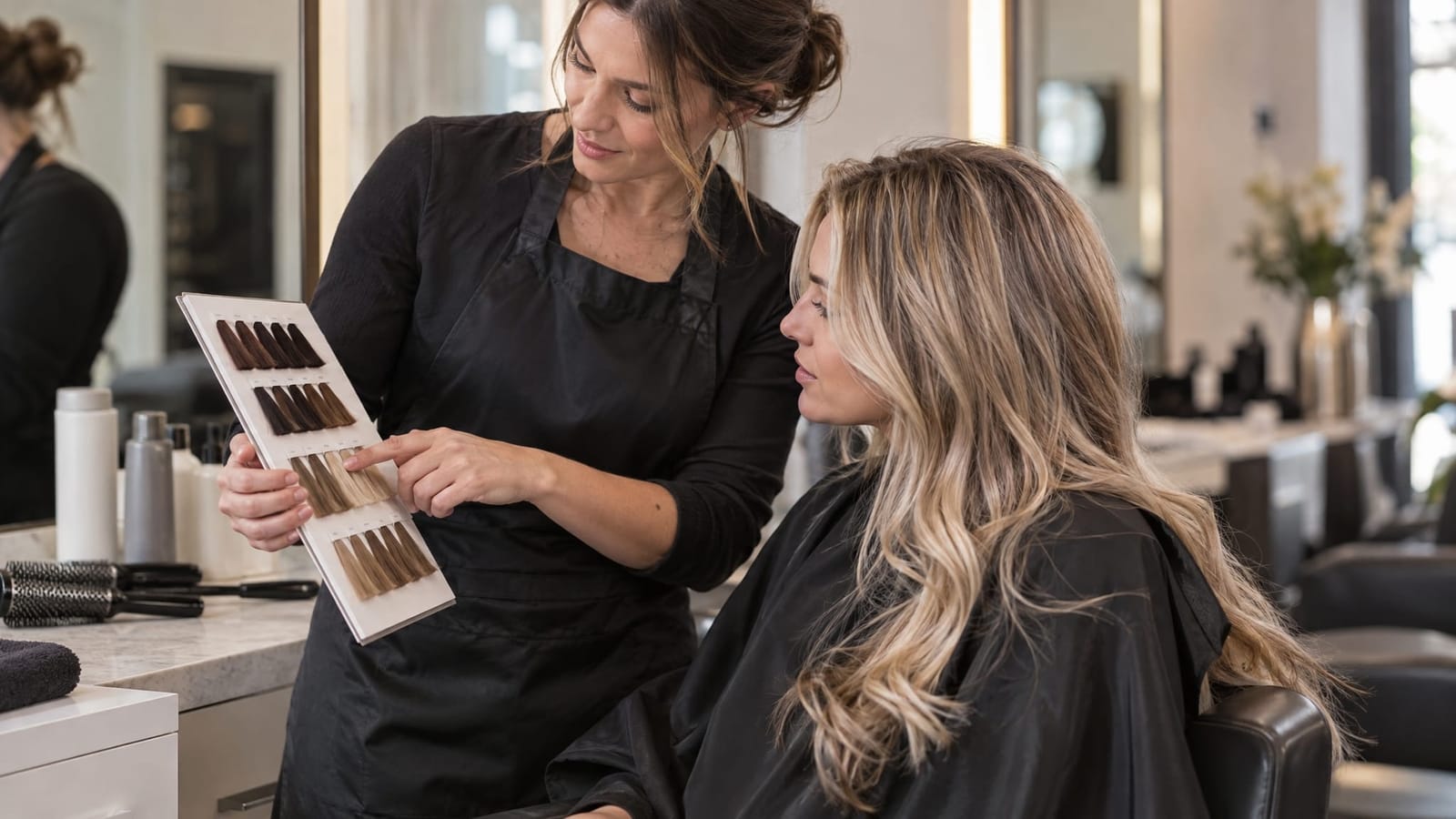
For example, blonde highlights that look more yellow than intended may benefit from a suitable toner or tinted gloss. Brunette lengths that have lost richness may benefit from a color refresh. Neither concern is solved by softness alone.
The terms “glaze,” “gloss” and “toner” are not used identically across every product line. Toner describes a color-adjusting purpose, while gloss and glaze often describe the service or finish. Rather than relying on the name, the useful questions are whether the formula adds pigment and what color change it is intended to create.
A glaze also is not a substitute for lightening. Refreshing the tone of existing highlights is different from making those highlights substantially lighter.
Deep Conditioning Focuses on Feel and Manageability
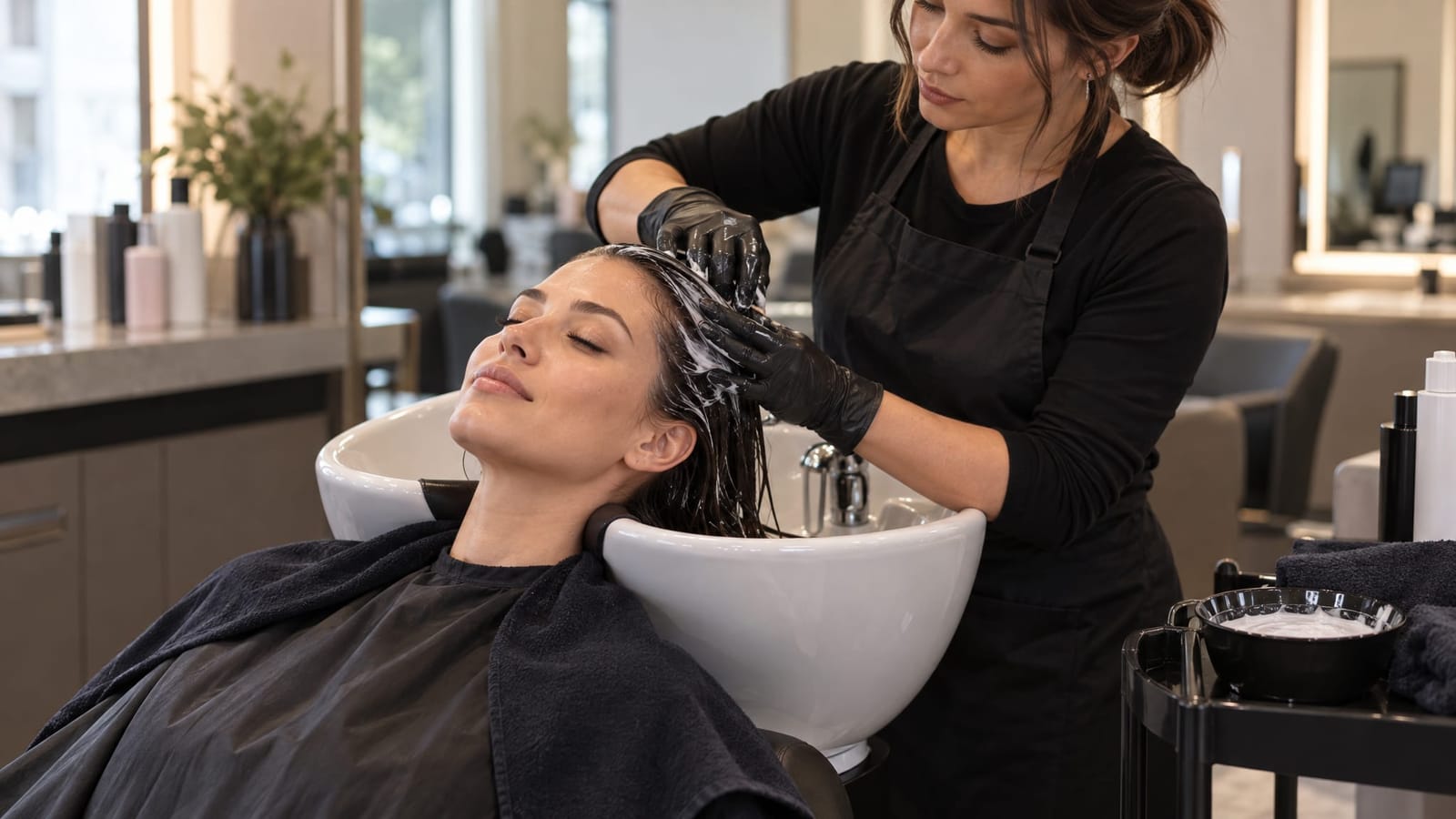
A salon deep conditioning treatment is chosen primarily to improve how the hair feels and behaves. Conditioning ingredients help smooth the hair’s surface, reduce friction between strands and make detangling easier. The result can include more shine, but that shine comes from a smoother finish rather than a change in color.
This is the more relevant category when your shade still looks right, but your lengths feel rough or your ends catch during combing. A conditioning treatment does not need to change your color to make styling feel easier.
Richer is not automatically better. Fine hair may feel weighed down by a heavy formula, while coarse or textured hair may suit a richer option. Product choice and placement matter: the lengths and ends may need more conditioning than the roots.
Deep conditioning also does not automatically mean permanent repair. It can improve softness and manageability without returning processed hair to its original condition.
Bond-Building Is Different From Deep Conditioning
Bond-building treatments are formulated to help strengthen hair, often as part of care for chemically processed lengths. That is a different goal from improving softness or correcting color tone.
The formulas and mechanisms vary, so the label does not promise an identical effect across products. Some products combine strengthening and conditioning functions, but a rich texture alone does not make a mask a bond-building treatment.
The practical distinction is that softness and strength are not interchangeable. Hair can feel smoother after conditioning while still needing a gentler styling routine. Likewise, a strengthening product may not provide all the detangling and softness someone wants from a conditioner.
Which Treatment Fits Your Main Concern?
Separate what you see from what you feel before comparing services:
- Your hair feels soft, but the color looks too warm: A tone-adjusting service is the more direct match. Extra conditioning will not neutralize unwanted yellow or orange tones.
- Your color looks beautiful, but the ends feel rough: Deep conditioning addresses the feel of the hair without requiring a shade change.
- Your highlights look faded and your lengths tangle: A color refresh and conditioning may address two separate needs within the same care plan.
- You are concerned about strength after repeated color changes: Discuss the hair’s processing history and current condition with your stylist rather than choosing a treatment based on shine alone.
At Meraki Salon & Spa in Mountainside, we offer glazing, toning, glossing and deep conditioning. Our services are personalized to your style and routine, so the choice can reflect both your color goals and how you want your hair to feel.
When combining services, product compatibility and application order matter. More treatments are not automatically better, especially if a heavy finish leaves your hair feeling flat.
Common Questions About Glazes and Conditioning
Can I use a conditioning mask between salon visits?
Yes. An at-home mask can support softness and manageability between appointments. Follow its directions rather than assuming a longer application gives better results. If your hair feels coated or loses movement, a lighter formula or less frequent use may fit better.
How often does either treatment need refreshing?
There is no single schedule for both. A glaze refresh depends on the formula, your washing routine and how the tone changes. Conditioning frequency depends more on how your hair feels and responds. Color fading and increased tangling are different reasons to reassess your routine.
Can either treatment replace a trim?
No. A glaze can improve appearance, and conditioning can temporarily smooth rough-feeling ends, but neither permanently rejoins split ends. A trim addresses the split portion itself rather than covering it with a smoother finish.
The Difference to Remember
Choose by the concern: glaze for color and shine, deep conditioning for softness and manageability, and product-specific strengthening care when strength is the focus. When appearance and feel both need attention, a tailored combination is more useful than expecting one treatment to do everything.