Low-Maintenance Hair Color: Lived-In Color Techniques for Busy Lifestyles
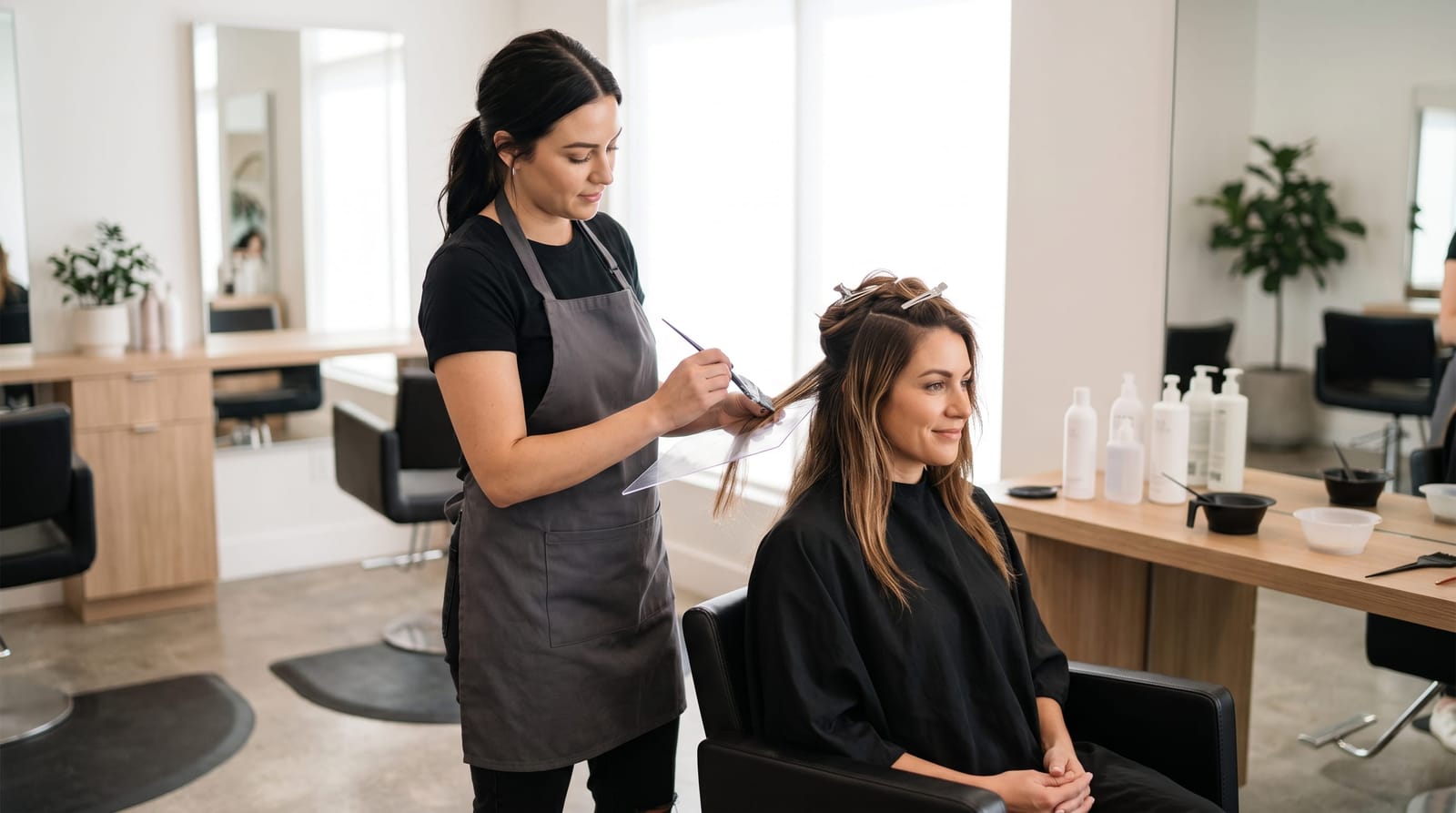
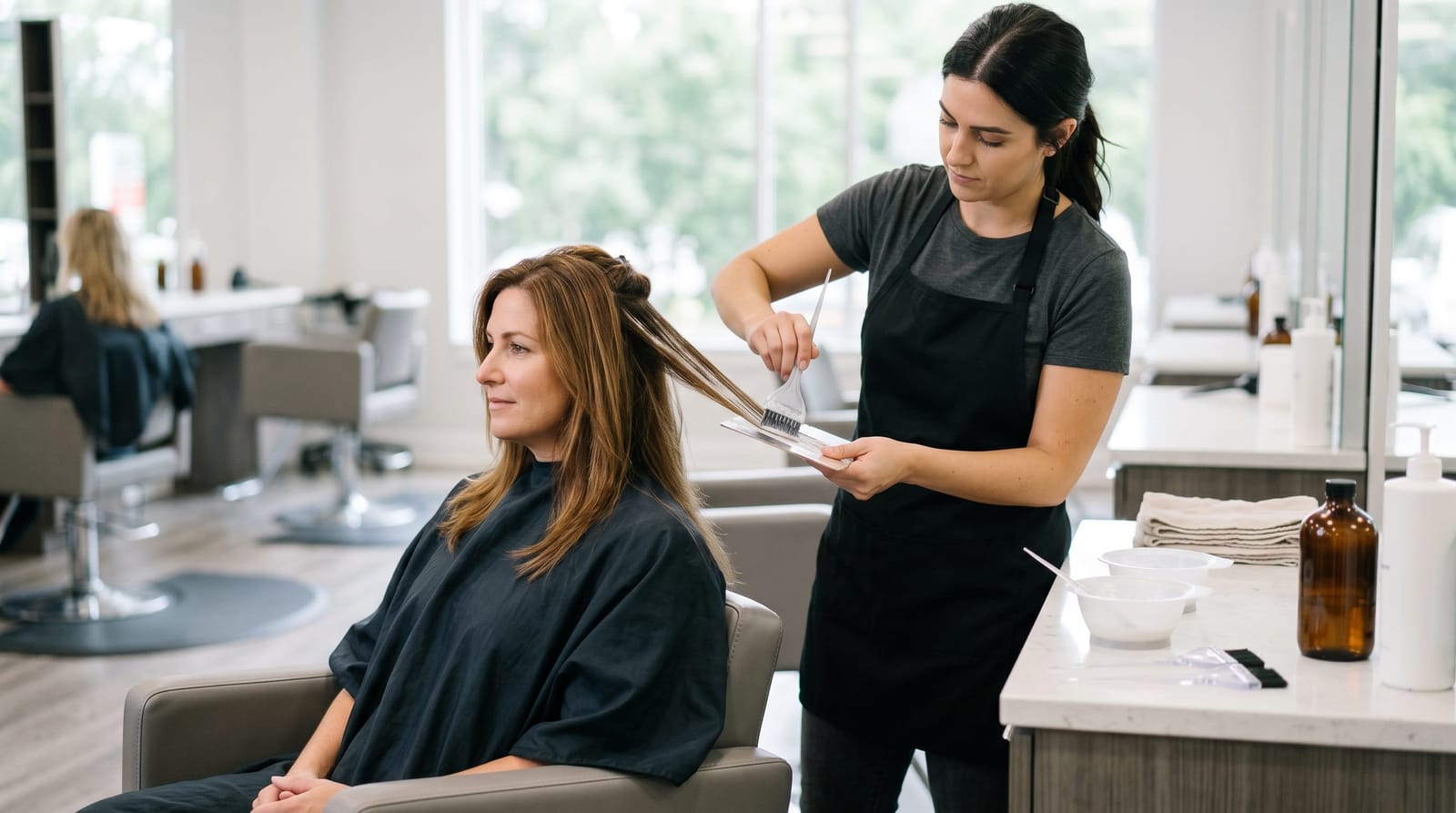
Low-maintenance hair color starts with a simple idea: keep the transition between your natural roots and colored lengths soft. Balayage, blended roots, and subtle highlights can create dimension without a sharp line as hair grows. The right choice depends on your starting color, how much brightness you want, and whether covering gray is part of your goal.
At Meraki Salon & Spa in Mountainside, New Jersey, we offer lived-in, low-maintenance color tailored to your style and routine. The aim is softer grow-out, not maintenance-free hair. Keeping a particular tone fresh and maintaining complete root coverage are separate considerations.
What Makes Hair Color “Lived-In”?
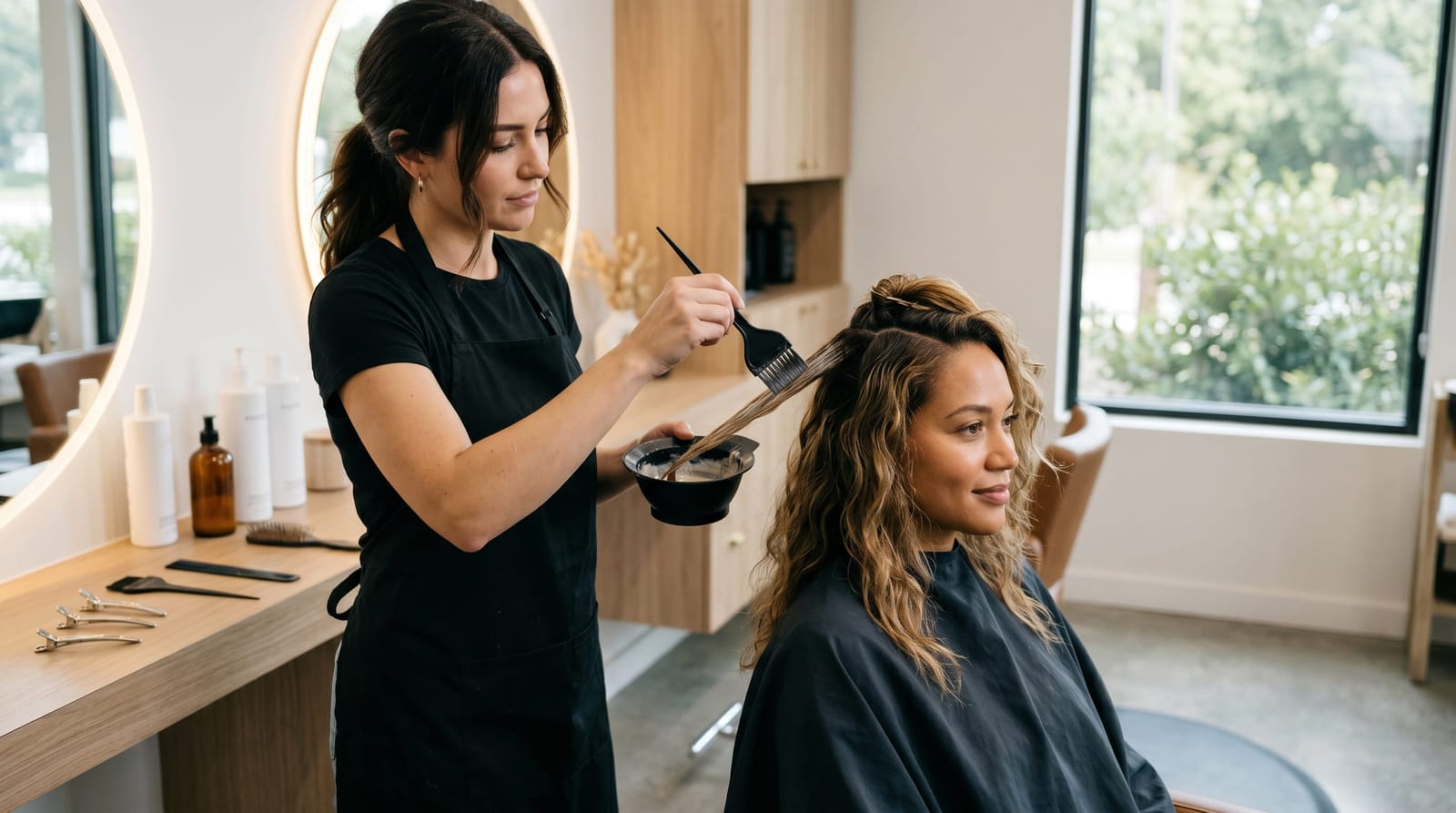
Lived-in color describes a blended result rather than one specific technique. It combines depth and lighter pieces so that new growth fits into the overall look. Your natural base often remains visible, with brightness placed where it adds shape and dimension.
Three choices make the biggest difference to upkeep:
- Root contrast: A root shade close to your natural color creates a subtler transition than one that is much lighter or darker.
- Highlight placement: Leaving depth near the scalp softens grow-out. Bright pieces placed directly at the root make new growth more noticeable.
- Coverage goals: Blending gray into a dimensional look is different from covering every gray hair. Full coverage brings a separate need for root retouching.
Neither balayage nor foils automatically determines how much upkeep a look needs. Placement, contrast, and your preferred finish matter more than the technique’s name.
Color Techniques That Support Softer Grow-Out
Balayage
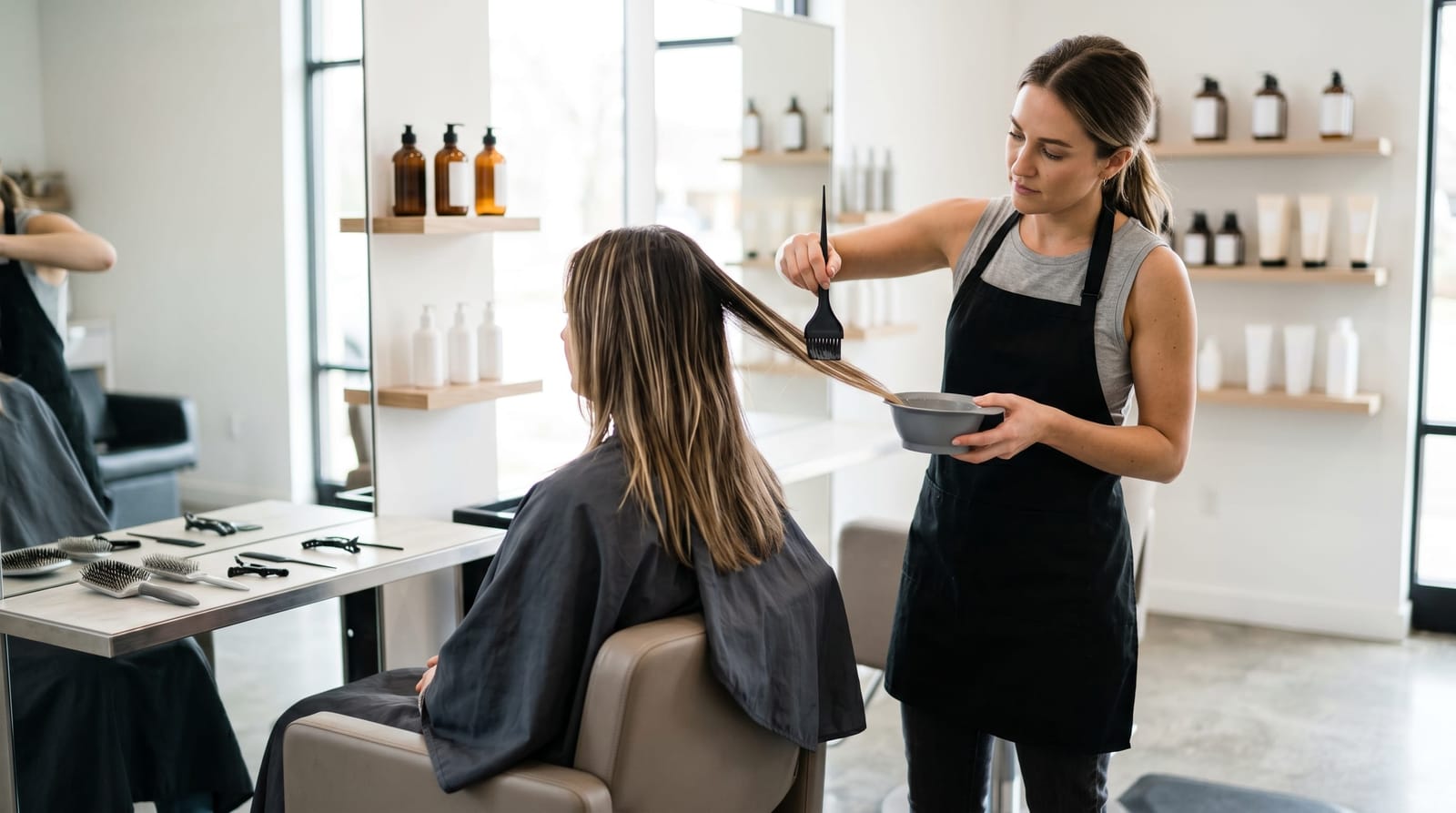
Balayage is a hand-painted highlighting technique. For a lived-in finish, lighter pieces can be concentrated through the mid-lengths and ends while more natural depth remains near the roots. This avoids the uniform regrowth line associated with an all-over color that contrasts strongly with your natural shade.
The tradeoff is brightness at the scalp. If you love a very light look from root to tip, leaving a deeper root will feel different. Our comparison of balayage and foil highlights explains the differences between the applications.
Shadow Roots
A shadow root uses color near the scalp to blend into lighter lengths. Choosing a root tone close to your natural shade helps make the transition less distinct as hair grows.
This approach suits someone who enjoys lighter lengths but is comfortable seeing depth at the root. It does not stop regrowth or replace gray coverage, and the blended tone itself can fade.
Glossing and Toning
A deposit-only gloss adds tone and shine without lightening your natural hair. It can enrich a brunette shade or adjust the tone of existing highlights. A toner focuses on refining color, such as softening unwanted warmth in lightened hair.
These services refresh the color you already have rather than create new highlights. That distinction matters: a gloss can help the lengths look more cohesive, but it will not move grown-out highlights closer to the scalp. Tone also fades separately from the way roots grow, so a tonal refresh and a highlighting appointment serve different purposes.
Dimensional Brunette Color
Brunettes do not need a dramatic change to add dimension. Chestnut, chocolate, or softly honey-toned pieces can complement a darker base. Keeping the difference between the base and highlights subtle makes the overall contrast gentler.
For a quieter finish, place lighter pieces through the lengths rather than creating a very bright band around the hairline. Our article on low-maintenance brunette hair color explores options for enhancing a dark base.
Transitioning From Existing Color
Moving toward a lived-in look depends on what is already on your hair. Grown-out highlights, all-over permanent color, and previously darkened lengths require different approaches. Your color history matters as much as your inspiration photo.
Softening the Root Transition
Root smudging blends color around the root area to soften the boundary between new growth and highlighted lengths. It is useful when the main concern is a visible transition rather than a lack of brightness. A softer blend can help extend time between appointments, depending on the finish you want to maintain.
A root smudge and a root touch-up have different goals. Smudging softens a boundary, while retouching colors the new growth to maintain coverage or a consistent base shade. Understanding root touch-ups and color retouching helps separate those needs.
Working Back Toward Your Natural Base
Keeping more of your natural root gives the color a starting point for future grow-out. Existing lightened hair, however, does not return to its original shade on its own. Adding deeper pieces or adjusting the tone can reduce contrast while the lighter lengths grow out.
A major shift from previous color may take more than one visit. Softening the transition is often a more practical first goal than matching an inspiration photo immediately.
Planning Salon Time Realistically
Low-maintenance color is about the work needed between major color appointments, not necessarily a shorter first visit. It helps to separate the initial change from ongoing upkeep:
- The first appointment: Hair length, density, previous color, and the amount of lightening all affect how long a balayage appointment takes. Correcting an existing color adds another layer to the plan.
- Later highlighting appointments: These address placement and brightness as the hair grows. They are different from refreshing tone alone.
- In-between maintenance: Glossing, toning, or root coverage can still be part of your routine. Your priorities determine how often you visit the salon.
There is no single appointment schedule that fits every lived-in look. Someone comfortable with a deeper root has a different maintenance threshold from someone who wants a bright hairline or complete gray coverage.
Caring for Color Between Appointments
A simple routine is easier to maintain than a shelf full of products. Focus on cleansing, conditioning, and styling habits that suit your hair.
- Wash for your hair and routine: There is no universal ideal number of washes per week. Choose shampoo and conditioner suited to color-treated hair, and avoid adding unnecessary washes solely to restyle it.
- Use toning products selectively: Purple shampoo addresses yellow tones in lightened hair; it is not a general color refresher for every shade. Color-depositing products change tone but do not lighten roots or replace highlights. Follow the product directions rather than using them at every wash by default.
- Keep heat styling thoughtful: Apply a heat protectant as directed and use the lowest setting that styles your hair effectively. Repeated passes with a hot tool add heat without always improving the finish.
- Limit prolonged sun exposure: Sunlight can fade color. A hat is a simple option during long outdoor days, including New Jersey beach trips and summer activities.
Match the Look to the Upkeep You Want
The most useful inspiration photo is one you like at the roots as well as through the ends. These examples show how to weigh the choices:
- You like your brunette base but want more movement: Subtle highlights through the lengths offer a smaller change than going much lighter overall. Explore dimensional, low-maintenance brunette options with that contrast in mind.
- You want lighter hair but are comfortable with a deeper root: Compare balayage and foil highlight placement. Either approach can be planned around a blended result.
- You want every gray root covered: Soft highlights can complement that look, but root retouching remains a separate part of maintenance.
What to Bring to the Color Conversation
Bring a few photos and identify what you like about each: the brightness around the face, the deeper roots, the warmth, or the subtle contrast. Include your previous salon and at-home color history, how you usually style your hair, and which matters most to you: fewer visits, brighter color, a specific tone, or root coverage.
If your goal involves a larger change, our guide to the hair color transformation process explains the planning involved. If you are exploring balayage for the first time, pay particular attention to highlight placement. The question is not just how light you want to go, but how you want the color to look as it grows.