The Ultimate Guide to Curly and Textured Hair Care: Cuts, Styling, and Salon Services in NJ
If you have curly, wavy, or textured hair, you already know that a trip to the wrong salon can feel like a gamble. You sit down, you explain what you want, and somehow you leave with a triangle-shaped blowout that has nothing to do with your actual hair. It happens more often than it should, and it happens because curly hair is genuinely different, not just in how it looks, but in how it grows, moves, and responds to cutting and styling techniques.
The good news? Things are changing. More clients in New Jersey are actively seeking out curl-specialized stylists, and more salons are investing in the training to serve them well. Whether your hair falls into loose, flowing waves or tight, densely coiled spirals, there is a world of technique, product knowledge, and styling expertise designed specifically for you, and finding the right curly hair salon in NJ can genuinely transform your relationship with your hair.
This guide covers everything you need to know: how to identify your curl pattern, what curl-specific cutting techniques actually involve, how to build a styling routine that works, what ingredients to look for in products, and how to find a stylist in New Jersey who truly understands textured hair. Think of it as your complete reference from first consultation to finishing curl.
---Why Curly and Textured Hair Requires a Specialized Approach
Curly hair is structurally different from straight hair, and that difference goes all the way down to the hair follicle. Straight hair grows from a round follicle; curly and coiled hair grows from an oval or asymmetrical follicle, which gives the strand its natural spiral shape. That spiral structure affects everything: how moisture travels along the strand, how the hair responds to humidity, how it behaves when cut wet versus dry, and how products absorb and hold.
According to research published in the International Journal of Trichology, curly hair has more points of vulnerability along the strand compared to straight hair, largely because the curl shape creates natural bending points where the cuticle is thinner. This is one reason curly hair tends to feel drier: natural oils from the scalp have a harder time traveling down a spiral strand than they do along a straight one.
From a salon perspective, these structural differences mean that traditional cutting and styling approaches simply do not translate. A standard wet cut on curly hair removes curl shrinkage from the equation entirely: what looks perfectly even when wet can spring up significantly shorter and uneven once dry. Many curl specialists estimate that curly hair can shrink anywhere from 30% to 75% of its actual length depending on the curl pattern, which is a significant variable to ignore when cutting.
Beyond cutting, product application methods, drying techniques, and even the tools used all need to be adapted for textured hair. This is why the rise of curl-specialized salons and stylists in New Jersey reflects a real shift in how the industry is thinking about inclusivity and expertise, and why clients with curly hair are increasingly unwilling to settle for stylists who treat their hair as an afterthought.
Understanding Your Curl Type: A Practical Reference
Knowing your curl type is useful not because it gives you a number to recite, but because it helps you communicate with your stylist and understand why certain products and techniques work better for your hair than others. The most widely used classification system organizes curly and textured hair into four broad categories, each with subcategories that reflect finer distinctions in curl diameter and density.
Type 2: Wavy Hair
Wavy hair forms an S-shape rather than a tight coil. It tends to be finer at the root and can range from soft, barely-there waves (2A) to more defined, medium-width waves (2B) and strong, frizz-prone waves that begin closer to the root (2C). Wavy hair often responds well to lightweight products that enhance wave definition without weighing the hair down, and it benefits from techniques like scrunching rather than raking product through the strands.
Type 3: Curly Hair
Type 3 curls form a defined spiral that ranges from loose and springy (3A) to tighter, more densely packed ringlets (3B) and corkscrew-shaped curls with more volume and body (3C). This range of curl patterns often requires more moisture than wavy hair and can vary significantly from person to person even within the same subcategory. Shrinkage becomes more pronounced in this range, making dry cutting especially valuable.
Type 4: Coily and Tightly Textured Hair
Type 4 hair encompasses coily, kinky, and tightly textured patterns. Type 4A has a defined coil pattern with visible S-curves; 4B has a more Z-shaped pattern with less visible curl definition; 4C is the most tightly coiled, with significant shrinkage and a delicate structure that requires careful moisture management. Type 4 hair is also the most commonly misunderstood and underserved in traditional salon settings, which is why finding a specialist who genuinely knows this hair type is so important.
It is worth noting that most people have more than one curl type on their head. Your roots may be tighter than your ends, or one section of your hair may wave while another coils. A skilled curl stylist will assess all of these variations before touching a pair of shears.
Curl-Specific Cutting Techniques: What Actually Happens in the Chair
If you have ever left a salon feeling like your stylist just worked around your curls rather than with them, you have likely experienced a standard haircut applied to curly hair, and it shows. Curl-specialized cutting techniques are built around the way curly hair actually behaves, and the difference in results is significant.
Dry Cutting
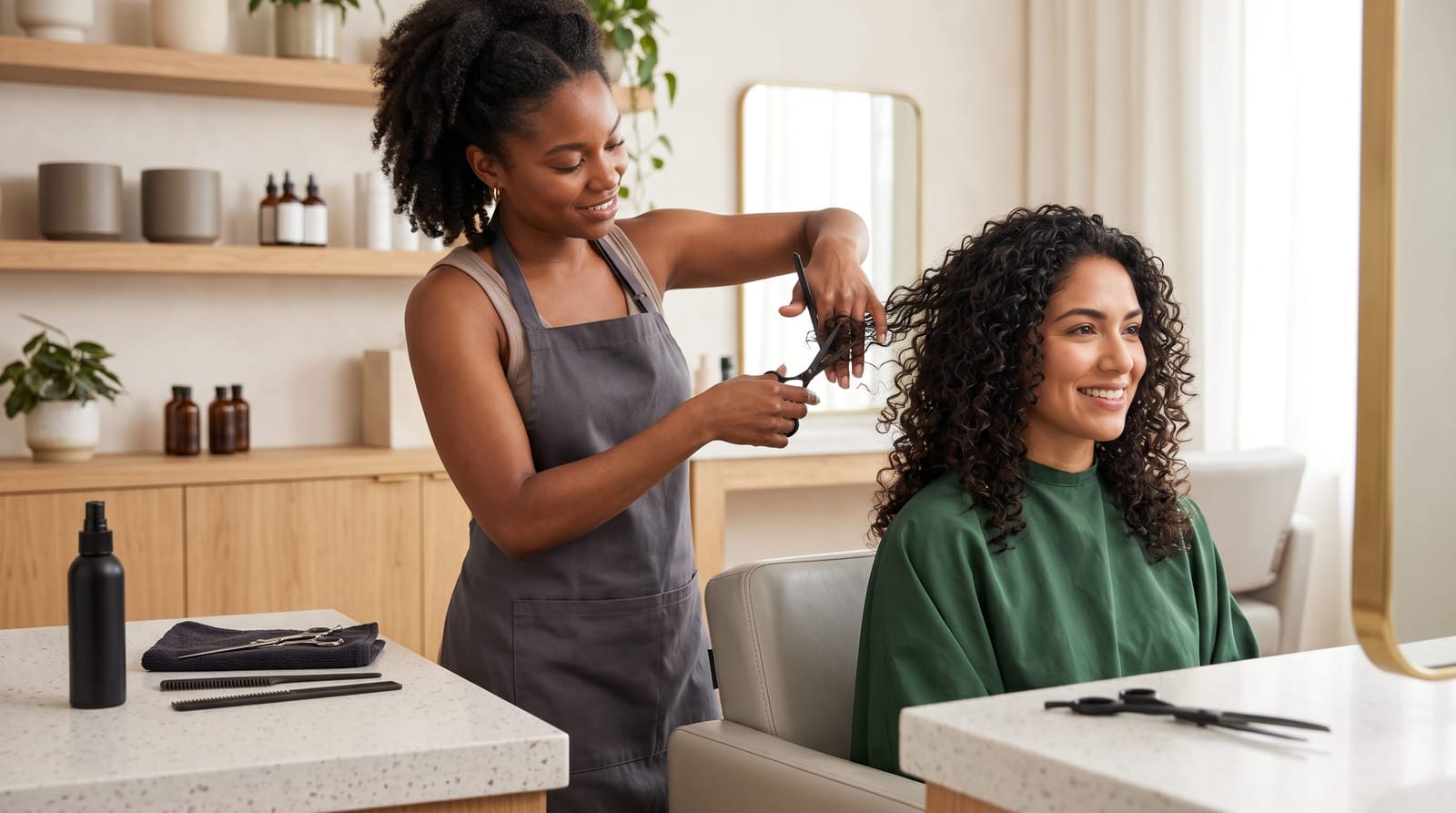
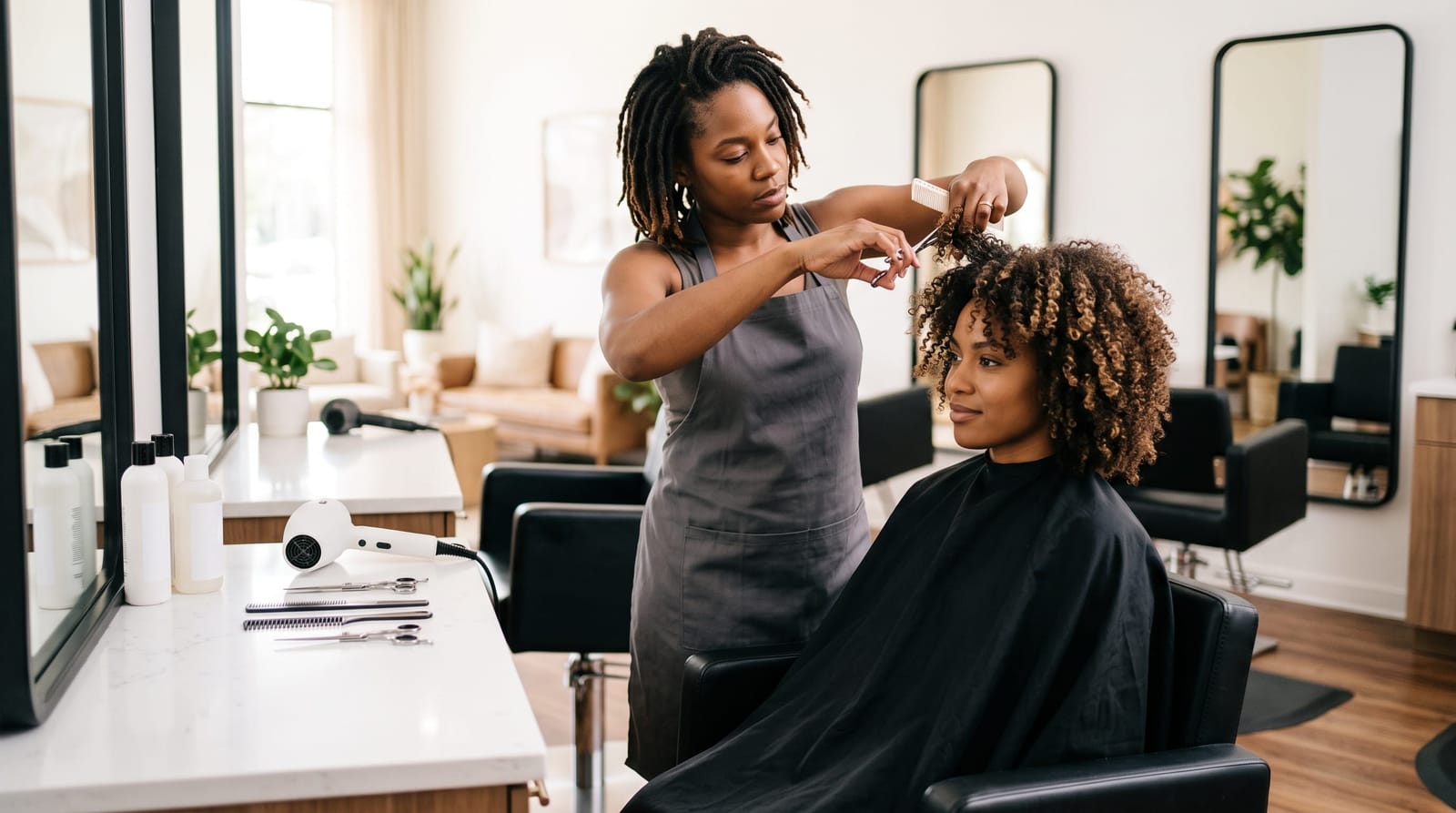
Dry cutting is one of the most important shifts in curl-specialized work. Rather than cutting hair when it is wet and stretched out, a stylist cuts the hair in its natural, dry state: meaning every curl is sitting where it will actually sit in real life. This allows the stylist to see exactly where the hair falls, how the curl pattern moves, and where weight or length needs to be removed to create balance. The result is a cut that looks and behaves the way it was intended to, without the guesswork of accounting for how much each section will spring up after drying.
The DevaCut Approach
DevaCut is a trademarked technique developed by Devachan Salon that prioritizes cutting curls individually in their natural dry state, curl by curl. This approach has gained significant popularity and helped shift how the broader industry thinks about curly hair cuts. Many curl-specialized stylists have been trained in this or similar methods, and the philosophy, honoring the curl's natural shape and direction rather than forcing it into a uniform line, has become something of a standard in quality curl cutting. Some stylists blend this approach with other techniques based on their client's specific curl pattern and goals.
Ouidad Carving and Slicing
Another well-regarded technique is the Ouidad carving and slicing method, which is designed to remove bulk from within the curl while preserving its shape and length. This is particularly useful for clients with dense, high-volume curls who want definition and shape without losing too much length. Antonio's Salon + Spa in Livingston, New Jersey, is one of the few salons in the state certified in this specific approach.
Understanding these techniques helps you walk into a consultation knowing what questions to ask, and helps you recognize a stylist who is genuinely fluent in curl work versus one who is simply willing to try.
Building a Curly Hair Styling Routine That Actually Works
One of the most common frustrations among curly-haired clients is inconsistency: great curl days followed by inexplicably frizzy ones, with no clear understanding of what changed. Building a reliable routine is less about finding the one perfect product and more about understanding the principles that keep curls defined, hydrated, and healthy.
The Cleansing Step
Traditional shampoos contain sulfates that can strip curly hair of its natural moisture, leaving it dry and prone to frizz. Many curl specialists recommend co-washing (washing with conditioner only) or using a sulfate-free, gentle cleanser on a less frequent schedule, though the right frequency depends entirely on your scalp type, activity level, and the products you use. If you use heavy stylers or work out frequently, your scalp may need more frequent cleansing than someone with a drier scalp who uses lighter products.
Conditioning and Deep Conditioning
Moisture is the foundation of curl health. A good rinse-out conditioner used after every wash is non-negotiable for most curl types. Deep conditioning, which involves applying a more intensive treatment and allowing it to penetrate the hair shaft for an extended period, is an additional layer of care that curly hair typically needs on a regular basis. For more on how often to incorporate this step and why it matters, the section on deep conditioning frequency explores this in detail.
Styling Application Techniques
How you apply product matters as much as which products you use. Common curl-friendly techniques include:
- Praying hands: Smoothing product down the length of the hair without disturbing the curl pattern
- Scrunching: Working product upward into the curl to encourage definition and spring
- Raking: Running fingers through the hair to distribute product evenly, typically used with leave-in conditioners rather than hold products
- Squish to condish: A technique where conditioner is applied and then water is scrunched into the hair to encourage curl clumping and softness
For a deeper look at building an at-home styling routine and getting the most out of your natural texture, the guide on curly hair styling tips breaks this down step by step.
Drying Methods
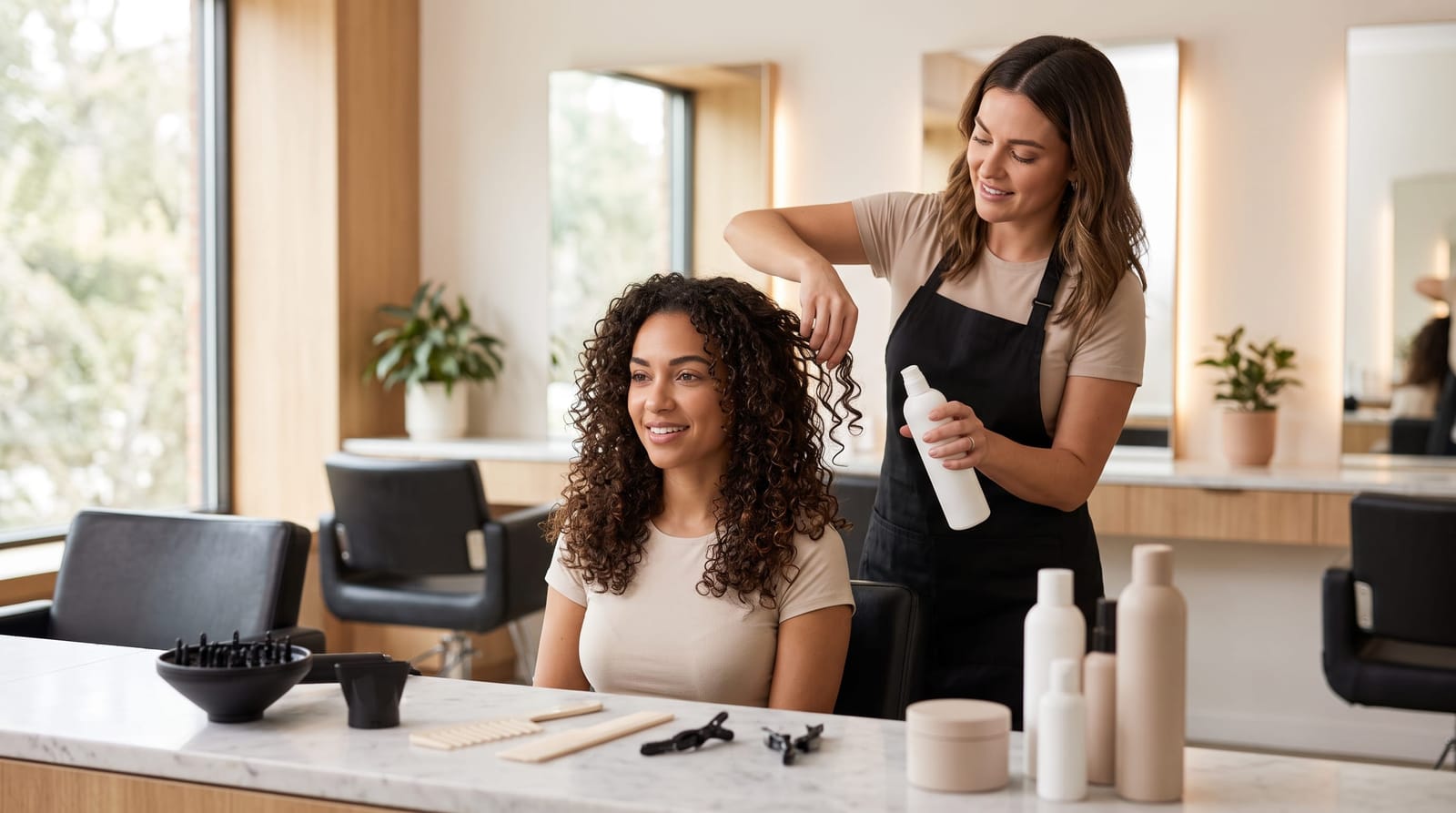
Air drying is the gentlest option for curly hair, but it is not always practical. If you use heat, a diffuser attachment on a low-heat, low-speed setting is far preferable to directing concentrated airflow at your curls. Microfiber towels or an old t-shirt are commonly recommended over regular terrycloth towels, which can disrupt the cuticle and cause frizz.
Curl-Friendly Products: What to Look For and Why
Walking into a beauty supply store or browsing product recommendations online can feel overwhelming when you have curly or textured hair. Every brand seems to promise definition, frizz control, and moisture, but not every formula is suitable for every curl type. Understanding a few key ingredient categories helps you make smarter choices.
Humectants
Humectants draw moisture from the environment into the hair shaft. Common examples include glycerin, aloe vera, and honey. These ingredients are highly beneficial in moderate humidity environments but can cause excess frizz in very high or very low humidity conditions, so context matters when evaluating whether a product is working for you.
Emollients and Oils
Emollients seal moisture into the hair and add softness. Look for ingredients like jojoba oil, sweet almond oil, shea butter, and avocado oil. For finer curl types, lighter oils work better than heavy butters, which can weigh the curl down. For tighter, coarser textures, richer emollients tend to perform better.
Proteins
Protein treatments help strengthen the hair structure and can improve curl definition, but too much protein can make curly hair feel stiff and brittle. The balance between moisture and protein is a conversation worth having with your stylist, especially if your hair is chemically treated or has been through a lot of heat styling.
Ingredients to Avoid
Many curl specialists recommend avoiding silicones (often listed as ingredients ending in "-cone" or "-xane") in daily styling products, as they can build up on the hair and block moisture from penetrating the strand over time. Similarly, drying alcohols, different from the fatty alcohols that are actually beneficial, can strip moisture and disrupt curl pattern.
What to Expect at a Curly Hair Consultation in NJ
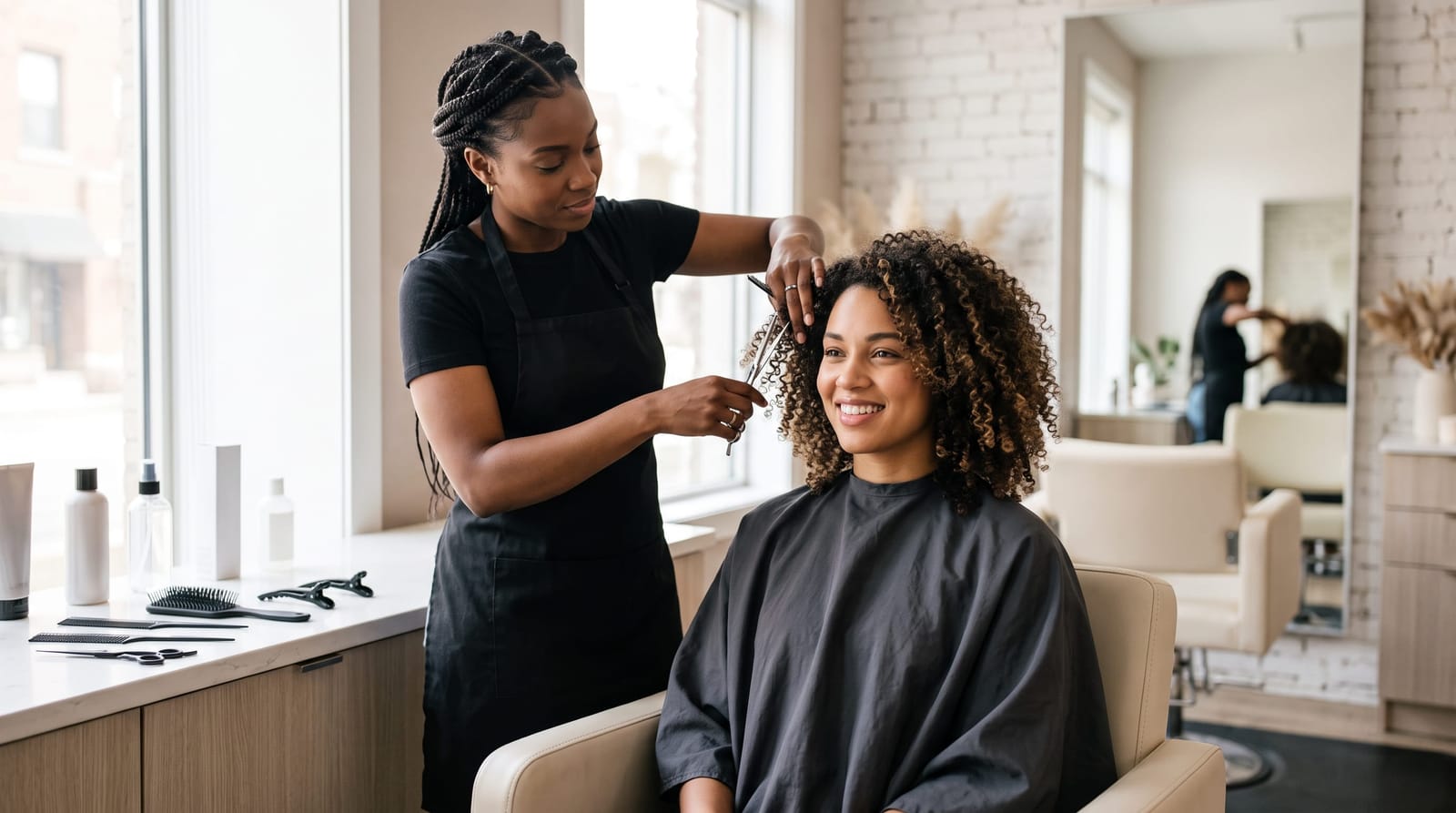
A great curly hair consultation is not just about showing photos and picking a length. It is a conversation, and a knowledgeable stylist will ask questions and assess your hair before making any recommendations. Knowing what to expect (and what to ask) helps you get more out of the appointment and increases the likelihood that you leave happy.
What a Curl Specialist Will Assess
- Your curl pattern across different sections of your head
- Your hair's porosity: how well it absorbs and retains moisture
- Your hair's density and thickness at the strand level
- Your current routine, including what products you use and how often you wash
- Your styling goals and how much time you want to spend on maintenance
- Any chemical treatments, color, or heat styling history
Questions to Ask Your Stylist
Walking in with questions is a sign of an engaged client, and a good stylist will welcome them. Consider asking:
- Do you cut curly hair wet or dry, and why?
- Are you familiar with DevaCut, Ouidad, or other curl-specific techniques?
- What do you recommend for my specific curl pattern and porosity?
- How should I prepare my hair before this appointment?
- What can I expect in terms of shrinkage from this cut?
- What products do you suggest I use at home to maintain this style?
Most curl specialists will also ask you to come in with your hair in its natural state, washed and worn the way you normally wear it, so they can see exactly what they are working with before any water or product changes the equation.
Finding a Curly Hair Salon in NJ: What Makes a Specialist Worth the Drive
New Jersey has a growing number of salons and stylists who specialize in curly and textured hair, and the range of expertise and focus areas reflects just how diverse the curly hair community is. Some salons focus specifically on the DevaCut method; others specialize in natural and coily textures; others take a broader approach to all wave and curl patterns. Knowing what you are looking for makes the search easier.
Among the salons that have earned recognition in the NJ curl community are Melo Curl Revival Studio, which focuses exclusively on curly and natural hair, and Milk Honey Soul in Springfield, which emphasizes inclusive cut and color services for all textures. Iconicurl has also built a following among clients seeking curl-focused expertise. On the technique-certification side, Antonio's Salon + Spa in Livingston is one of the few salons in New Jersey with formal Ouidad certification: a meaningful credential for clients with dense, high-volume curls.
When evaluating any curly hair salon NJ options, look for stylists who can speak knowledgeably about curl types, cutting techniques, and product ingredients, not just stylists who say they "work well with curly hair." Portfolios of actual curly hair work, before-and-after photos that show the hair in its natural state, and client reviews that mention specific curl types are all good signals.
At Meraki Salon, our stylists bring a genuine passion for textured hair work. We approach every curly hair client with the same attention to detail we bring to every service: taking time to understand your hair's unique behavior before making recommendations or picking up shears.
Layering, Shaping, and the Role of the Right Cut
One of the most transformative things a good curly hair cut can do is remove weight strategically so that curls spring up rather than pulling down. For many clients with longer curly hair, the weight of the length actually suppresses the curl pattern at the root, leaving the hair looking flat on top and shapeless rather than voluminous and defined.
Layering for curly hair is not the same as layering for straight hair. When done well, layers in curly hair are designed around the curl's movement: removing bulk from areas that need to be lighter while preserving length where it enhances the overall shape. Poorly executed layers, on the other hand, can create pyramid-like shapes or cause sections of curl to separate from the rest of the style.
Shaping also plays a role in framing the face and balancing proportions: a skilled curl specialist will consider your face shape, your natural growth patterns, and how your curls interact with each other when creating a shape that works for your specific hair. For a more detailed look at how layering and shaping decisions are made and why they matter so much in curl work, explore our article on products for layered hair.
It is also worth noting that your hair's condition plays a role in how a cut will perform. Damaged, over-processed, or chronically dry hair does not respond to layering the same way healthy hair does, which is why addressing the health of the hair and the cut itself are often part of the same conversation with a curl specialist. If you are unsure whether your hair's condition might be affecting how it looks and behaves, our post on signs damaged hair needs treatment is a helpful starting point.
Deep Dive Topics in This Cluster
This guide is designed as your comprehensive starting point for understanding curly and textured hair care, but each of the topics below goes deeper into specific areas. Whether you are looking to refine your at-home routine, understand what makes curl cutting different, or figure out why your curls are not performing the way you want them to, these resources offer focused, practical guidance.
-
Curly and Textured Haircuts: What Makes a Curl Specialist Different?
A closer look at the training, techniques, and philosophy that separate a curl-specialized stylist from a generalist. Learn what credentials and questions to look for when choosing a curly hair salon NJ that is genuinely equipped to serve your hair. -
Signs Your Hair Is Damaged and Needs Professional Treatment
Not sure if your curls are underperforming because of a bad cut, a product issue, or something deeper? This post covers the signs damaged hair needs treatment and how a professional assessment can help you reset and rebuild. -
Deep Conditioning for Curly Hair: Why It's Essential and How Often to Do It
Moisture is the foundation of curl health, and deep conditioning is one of the most important tools in your routine. This post explores deep conditioning frequency, how to choose the right treatment for your curl type, and what to expect from consistent use. -
Curly Hair Styling Tips: How to Enhance and Define Your Natural Curls
From wash day routines to diffusing technique, this post covers the most effective curly hair styling tips for getting consistent, defined results at home: regardless of your curl pattern. -
Layering and Shaping for Curly Hair: How the Right Cut Changes Everything
Dive into the specific techniques stylists use to shape curly hair and why layering decisions can make or break a curl cut. This post also covers the best products for layered hair that help maintain shape and definition between appointments.
Conclusion: Your Curls Deserve the Right Expertise
Curly and textured hair is not difficult to manage: it just requires the right knowledge, the right techniques, and the right people in your corner. Whether you are navigating your curl type for the first time, looking for a stylist in New Jersey who actually understands how to cut coily hair, or simply trying to build a routine that gives you consistent results at home, the information in this guide is a foundation to build on.
The most important takeaway is this: your hair type is not a problem to be managed. It is a starting point for a personalized approach that, when done well, leaves you walking out of the salon feeling genuinely confident in your curls.
At Meraki Salon, we believe every client deserves a stylist who listens, assesses, and creates with intention, especially clients whose hair has not always been understood or celebrated in traditional salon settings. If you are ready to experience what a curl-focused consultation can do for your hair, we would love to welcome you.
Book your curly hair consultation at Meraki Salon today and let us help you fall in love with your curls all over again.