What Face Shape Gets the Most Benefit from Layered Haircuts?
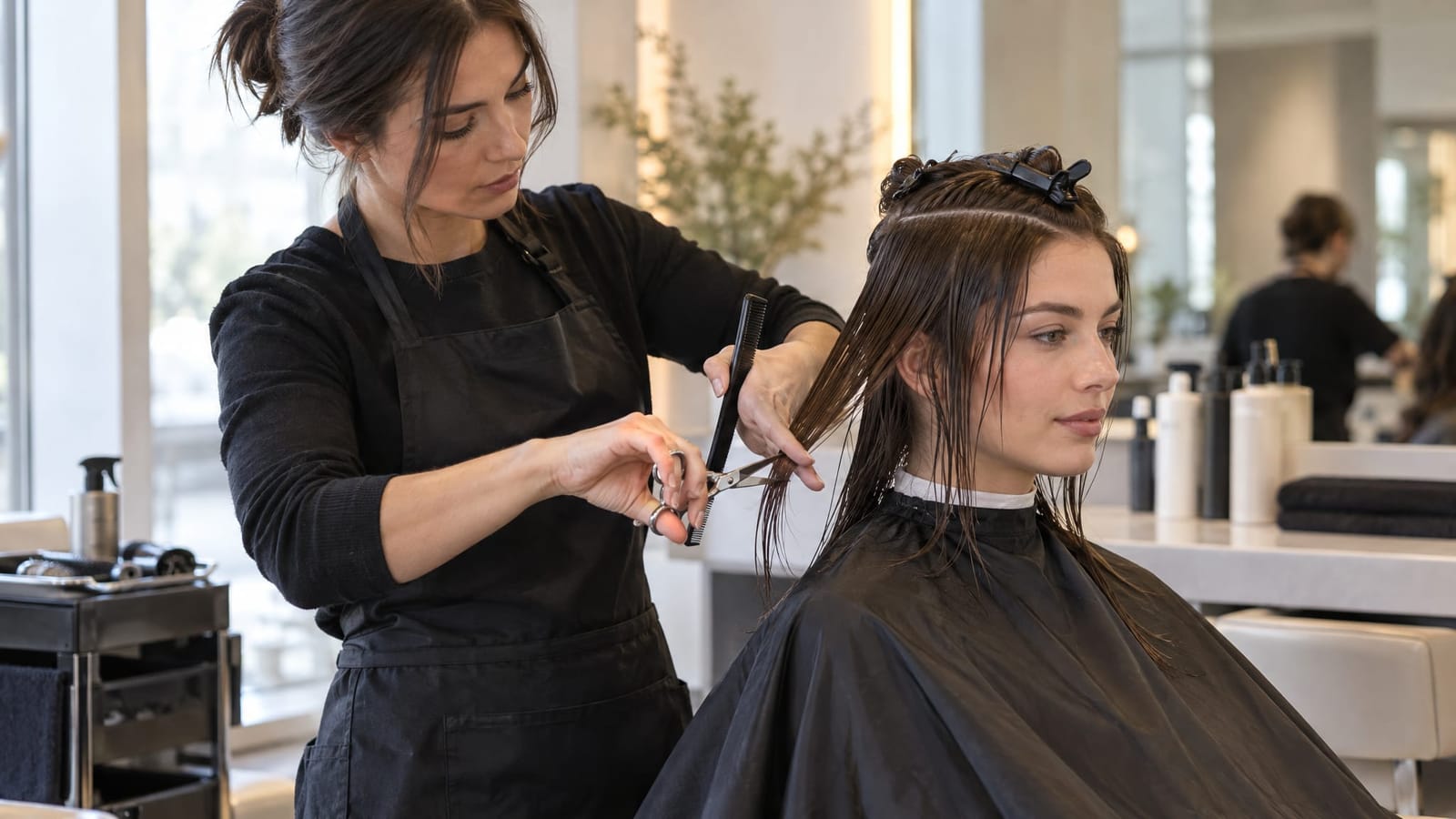
No single face shape benefits most from layered haircuts. Round, oval, square, and heart-shaped faces can all suit layers. The difference is where the shorter pieces fall, how much fullness the cut leaves around the face, and whether you prefer a soft outline or a more defined shape.
When choosing a haircut for your face shape, think of layers as a way to direct attention, not correct your features. Face shape offers a starting point, but your texture, hair density, and everyday styling habits help determine which placement will work comfortably for you.
How Layer Placement Changes the Look of a Haircut
Face-framing layers are the shorter sections around the front of your haircut. Layers throughout the rest of the hair change how its lengths sit together, affecting movement and the distribution of weight. You can have a noticeable face frame without adding many layers through the back.
The shortest front piece creates an important visual stopping point. Cheekbone-length pieces draw attention higher on the face, while chin-length pieces bring focus toward the jaw. Longer pieces around the collarbone create a lower, more flowing frame. Texture and styling influence the final effect, especially when the ends bend outward or curl upward.
Layer Placement for Different Face Shapes
Round Faces: Choose Where You Want Fullness
A round face generally has similar width and length, with a softly curved outline. If you prefer a longer-looking frame, front layers that begin below the chin are an option. They leave longer lines beside the cheeks while introducing movement farther down.
For medium to long hair, a below-chin face frame paired with longer layers through the ends gives shape without requiring short pieces around the cheeks. Styling those front sections downward rather than outward keeps the outline closer to the face.
Shorter layers are not off-limits. Cheekbone-length pieces can emphasize your cheeks beautifully. The decision is whether you want fullness there or prefer to concentrate movement below it.
Oval Faces: Let Your Favorite Feature Guide Placement
An oval face is generally longer than it is wide, with a gently rounded jaw. Several layer placements can work, so the more useful question is what you want the haircut to emphasize.
Cheekbone-grazing layers bring attention to the upper face. Chin-length framing places more focus around the mouth and jaw. Longer layers offer a quieter change, particularly when keeping the overall length is your priority.
If you prefer not to emphasize length, a shoulder-length cut with movement at the sides offers a different effect from very long hair styled flat against the face. There is no need to add extra layers simply because your face shape allows flexibility.
Square Faces: Choose Between Softness and Definition
A square face typically has a more angular jaw, with the forehead and jaw appearing similar in width. Softly blended front layers can create a curved outline alongside those angles.
For a softer frame, consider longer front pieces that pass the jaw rather than forming a strong horizontal line directly beside it. Gentle bends through those pieces add movement without requiring a heavily layered haircut.
If you love your jawline, a more defined shape near the jaw can highlight it instead. Neither approach is more flattering by default. The distinction is whether you want the haircut to echo your angles or contrast with them.
Heart-Shaped Faces: Consider Movement Near the Jaw and Collarbone
A heart-shaped face is generally wider through the forehead or cheekbones and narrower toward the chin. Layers that create movement around the jaw, neck, or collarbone can bring visual fullness lower in the haircut.
A collarbone-length cut with softly layered ends is one option. For longer hair, keeping the upper sections relatively long and introducing more movement below the chin creates a flowing frame.
Discuss how much fullness you want to retain through the ends. Extensive layering can make the lower outline lighter, which may work against a preference for a fuller shape near the shoulders.
Texture and Density Matter as Much as Face Shape
The same layer placement behaves differently in straight, wavy, and curly hair. It also looks different in dense hair than in hair with fewer strands.
- Fine strands or lower density: A restrained face frame and fewer layers through the back help retain a substantial-looking outline. More layers do not automatically mean more volume.
- Dense hair: Layers can redistribute weight and introduce movement. Removing too much weight near the ends can leave an uneven-looking balance between the upper and lower sections.
- Wavy or curly hair: Discuss where the front pieces will rest when dry. Curl and wave patterns affect their resting length and the width they create.
What to Discuss During Your Layering Consultation
At Meraki Salon & Spa in Mountainside, we offer layering and shaping customized to your features, style, and lifestyle. When discussing your cut with our stylists, describing the effect you want is more useful than relying on a face-shape label alone.
Helpful details include:
- Your shortest comfortable front length: Mention whether those pieces need to tuck behind your ears or reach your ponytail.
- Where you want movement: Around your cheeks, below your jaw, or mainly through the ends.
- Your usual styling routine: Air-drying, wearing natural curls, or using a round brush creates different expectations for the finished shape.
- What you like in a reference photo: Separate the cut from the styling. A swept-back face frame may depend partly on how it was blow-dried.
Frequently Asked Questions
What if my face looks like more than one shape?
You do not need an exact category. Focus on individual features and preferences, such as highlighting your cheekbones or keeping movement below your chin. Many faces combine characteristics from several shapes.
Do I need bangs with a layered haircut?
No. Layers can frame your face while leaving the forehead open. Bangs are a separate choice that changes the upper outline of the cut and adds its own styling considerations.
Does my hair part affect face-framing layers?
Yes. A center part distributes the front sections differently from a side part, which places more hair on one side. Mention your usual part and whether you switch it frequently so the intended framing accounts for how you wear your hair.
The Best Layers Support Your Preferred Shape
The most useful layered haircut is not assigned by a face-shape chart. It places movement where you want it, preserves the fullness you value, and works with the way you actually wear your hair.