Professional Hair Treatments: Keratin Smoothing and Deep Conditioning
You wake up with 45 minutes before work. You shower, get dressed, and then face the mirror. Your hair has other plans. Frizz, puffiness, tangles, and a stubborn wave pattern that refuses to cooperate. Sound familiar? For millions of people dealing with damaged, frizzy, or chemically processed hair, the daily styling routine is less a ritual and more a battle.
Professional hair treatments exist to end that battle for good. Not with temporary fixes or drugstore masks, but with salon-grade solutions that restructure, nourish, and protect hair at the strand level. At Meraki Salon And Spa, located at 887 Mountain Avenue in Mountainside, NJ, clients have been receiving expert keratin smoothing and deep conditioning services since 2005. The results speak for themselves: smoother texture, reduced frizz, stronger strands, and styling routines cut down from 45 minutes to under 10.
This guide covers everything you need to know about professional hair treatments. You will learn how keratin smoothing works, what deep conditioning actually does to your hair's internal structure, how to choose the right treatment for your specific hair type, and how to maintain results long-term. Whether you have heard about keratin treatment Mountainside NJ options and want more details, or you are simply tired of bad hair days, this is your starting point.
Let's get into it.
---What Is a Professional Hair Treatment and Why Does It Matter?
Not all hair care is created equal. The products on your bathroom shelf clean, condition, and style. They work on the surface of the hair. Professional treatments work differently. They penetrate the hair's cortex, the inner core, to deliver structural improvements that no at-home product can replicate.
Hair is made of a protein called keratin. Healthy hair contains roughly 95% keratin by composition. Heat styling, chemical processes like coloring and bleaching, UV exposure, humidity, and even aggressive brushing all break down the hair's natural keratin reserves. As keratin degrades, the hair's outer cuticle layer lifts and becomes rough. That rough cuticle is what causes frizz, tangles, and dullness.
The Scale of the Problem
According to the American Academy of Dermatology, approximately 65% of women report some form of hair damage related to heat styling. Studies published in the International Journal of Trichology found that repeated chemical processing reduces hair's tensile strength by up to 30%. These are not small numbers. Hair damage is a widespread issue affecting texture, appearance, and the health of the scalp and strand over time.
Professional treatments address this damage directly. Rather than coating the hair temporarily, they rebuild, reinforce, and protect the strand from the inside out. The two most sought-after professional treatments are keratin smoothing services and deep conditioning therapies, and each serves a specific purpose depending on your hair's needs.
Why Choose a Salon Over At-Home Products?
At-home keratin kits and deep conditioning masks exist. They work to a limited degree. But professional formulas contain higher concentrations of active ingredients. They are applied under controlled heat and timing. Salon stylists assess your hair's porosity, damage level, and natural texture before selecting the right product. That personalized approach is what separates a $15 drugstore mask from a professional treatment that lasts four to six months.
---Keratin Smoothing Treatments: How They Work and What to Expect
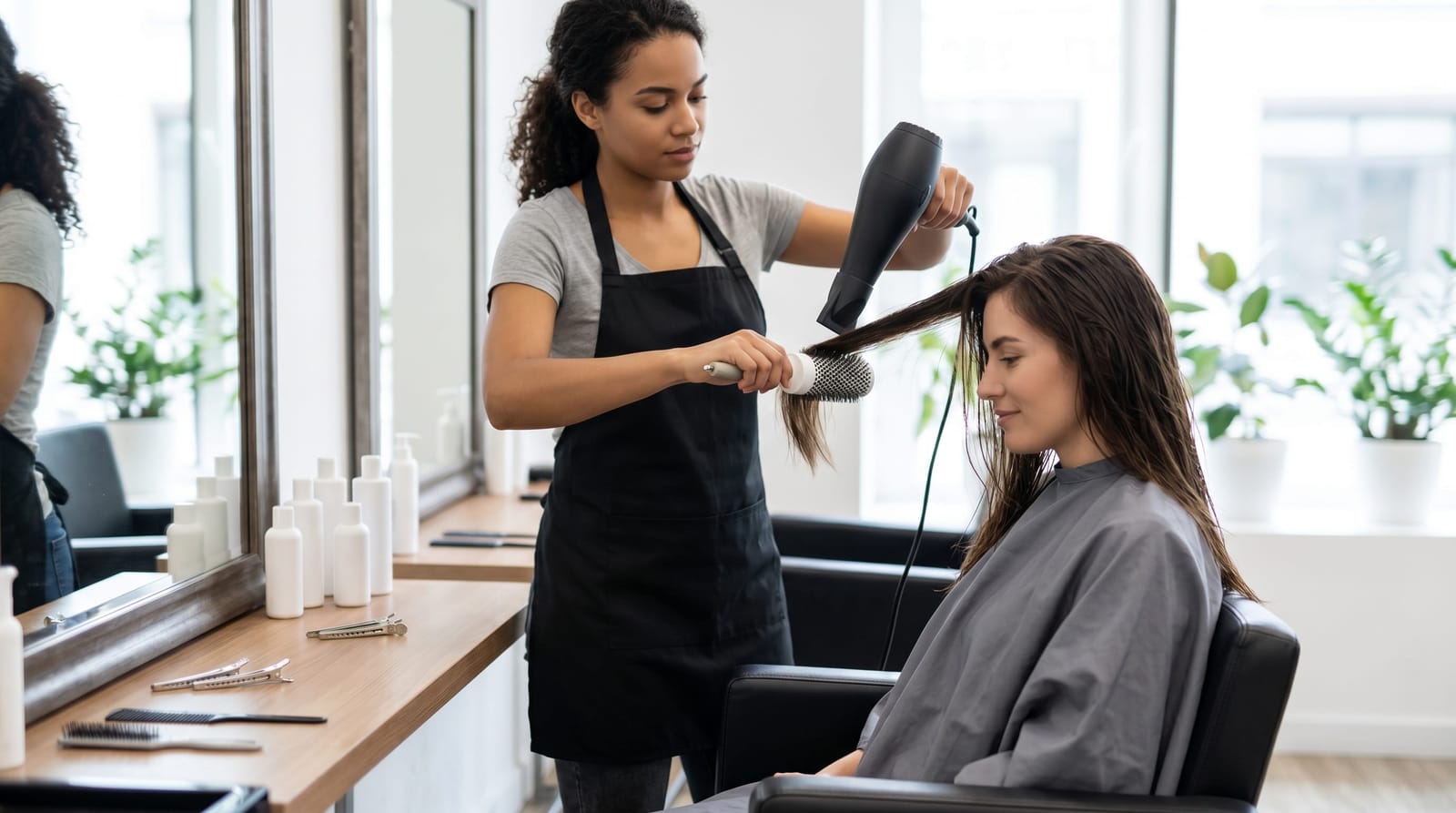
Keratin smoothing is one of the most popular professional hair services in the country, and for good reason. When done correctly, a single treatment can reduce blow-dry time by up to 60%, eliminate frizz for three to five months, and leave hair noticeably smoother, shinier, and more manageable.
Here is how the process works from start to finish.
Step 1: Hair Assessment and Cleansing
Before any product is applied, your stylist evaluates your hair. They look at porosity (how easily your hair absorbs moisture), existing chemical treatments, strand thickness, and current damage level. This step is critical. A fine, virgin hair reacts differently to keratin than thick, heavily colored hair. Getting this assessment right determines both the product selected and the processing time used.
The hair is then washed with a clarifying shampoo. This removes buildup, excess oils, and any residue that would prevent the keratin solution from bonding evenly to the strand.
Step 2: Product Application
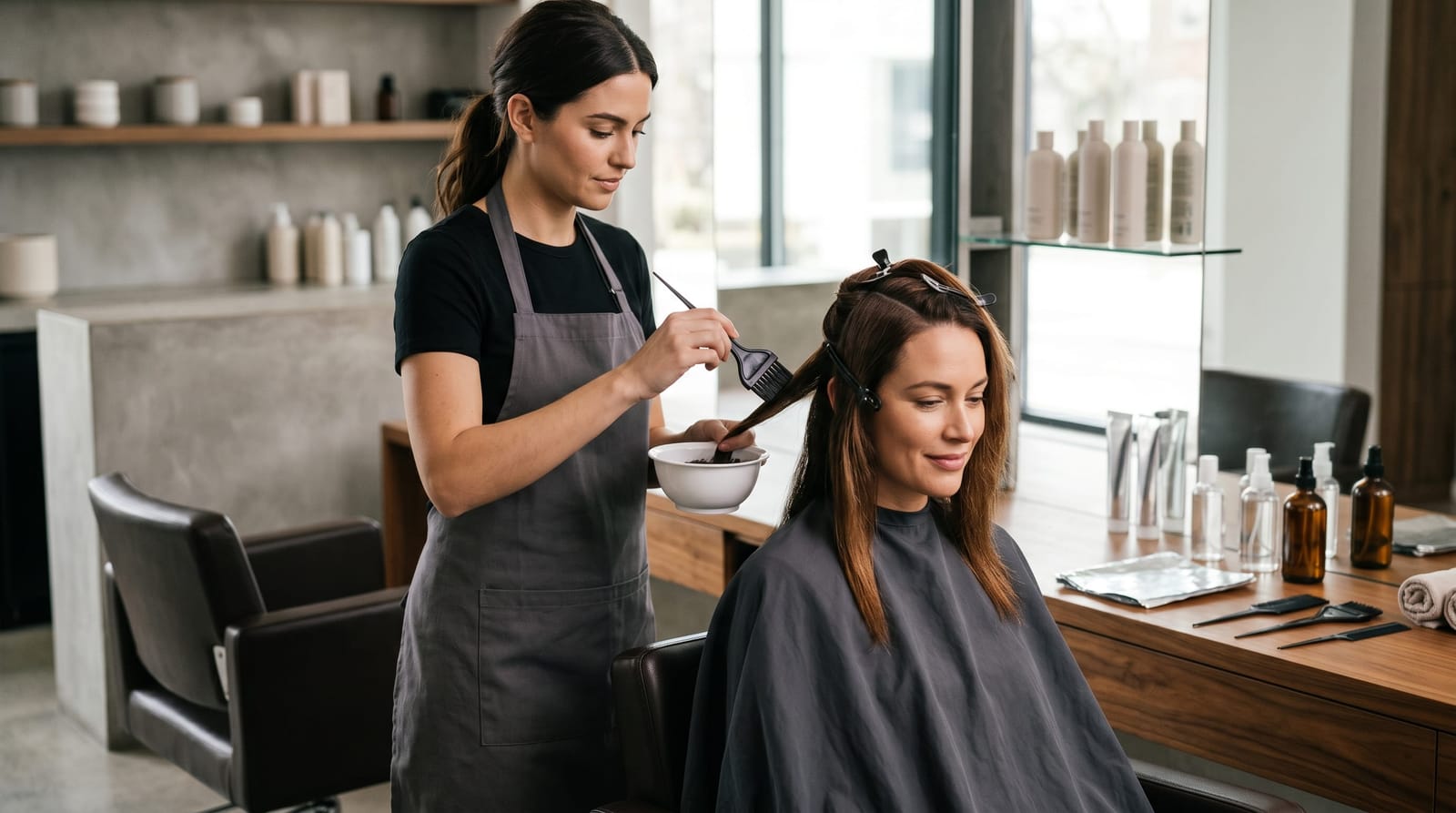
The keratin solution is applied section by section throughout the hair. Most professional formulas contain a blend of hydrolyzed keratin proteins, amino acids, and bonding agents. These ingredients fill in gaps within the hair's cortex and smooth the lifted cuticle. The hair is then combed through to distribute the product evenly and left to absorb for 20 to 45 minutes depending on the formula and hair type.
Step 3: Heat Sealing
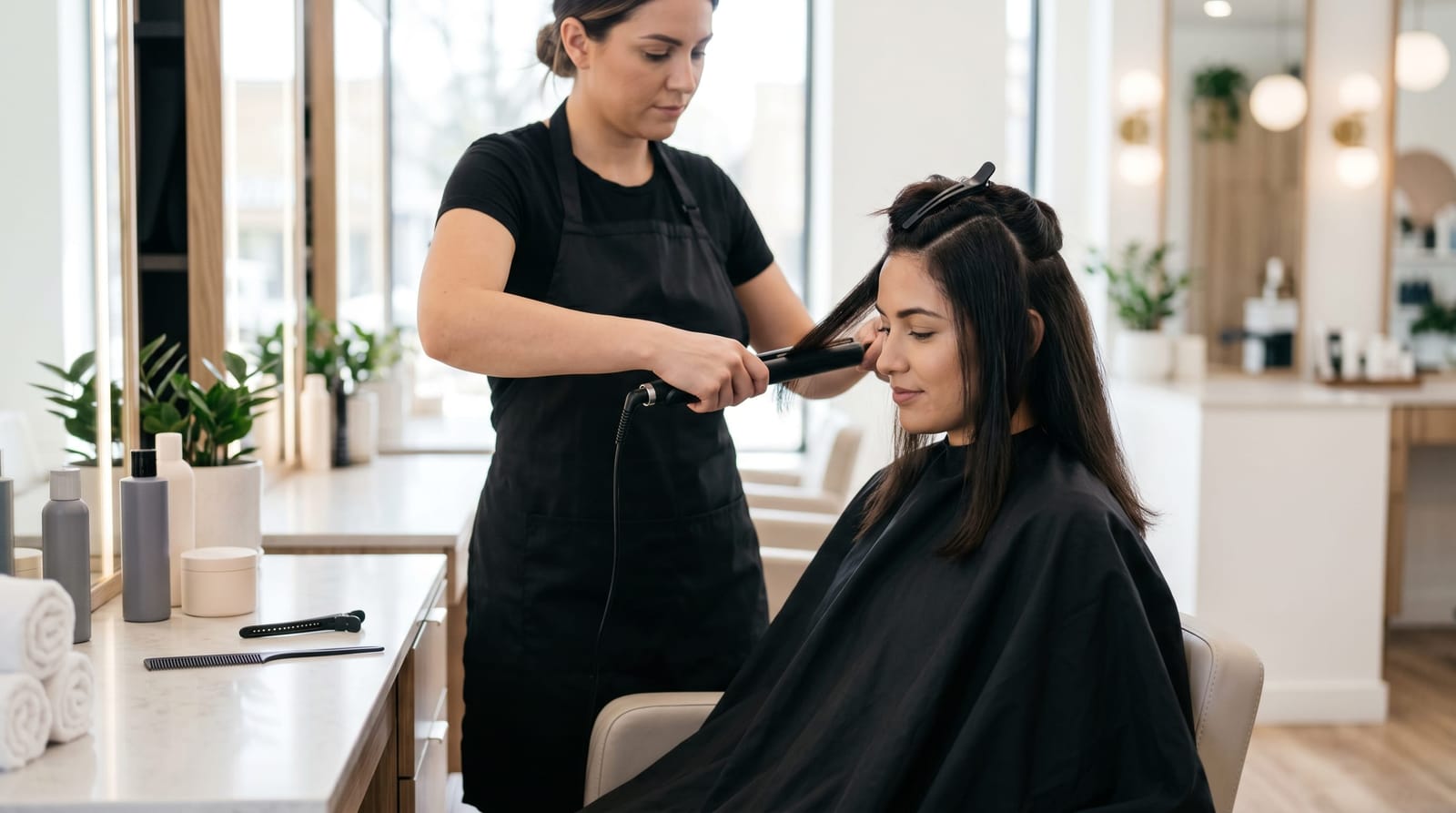
This is the most important step. A flat iron heated to between 380°F and 450°F is used to seal the keratin proteins into the strand. The heat causes a structural bond that locks the product in place. This is why professional keratin treatments last significantly longer than at-home alternatives: the heat-sealing process creates a durable bond that normal washing and daily styling cannot easily break down.
What Results Can You Expect?
Most clients notice results immediately. Hair feels smoother and looks shinier before they leave the salon. Over the first 72 hours, the treatment continues to set. Most professional keratin treatments last between 10 and 16 weeks, depending on hair type, maintenance routine, and the specific formula used. Clients with very coarse or curly hair may see straightening effects that last even longer.
For a detailed breakdown of the keratin smoothing process, results by hair type, and what to do during the post-treatment window, explore our guide on keratin smoothing treatment NJ: a complete resource dedicated to this service.
---Deep Conditioning Treatments: Rebuilding Hair Health from the Inside Out
If keratin smoothing is about transforming the look and manageability of your hair, deep conditioning is about restoring its structural health. These two treatments are complementary. Many clients at Meraki Salon And Spa receive both: using deep conditioning to strengthen and hydrate the hair, and keratin to smooth and protect it.
What Deep Conditioning Actually Does
Standard conditioner sits on the hair's surface for two to three minutes and rinses away. It adds a small amount of slip and shine but does not penetrate the cortex. Deep conditioning formulas are different. They contain higher molecular-weight proteins, hydrating agents like panthenol, and ceramides that can absorb into the hair shaft given adequate time and heat.
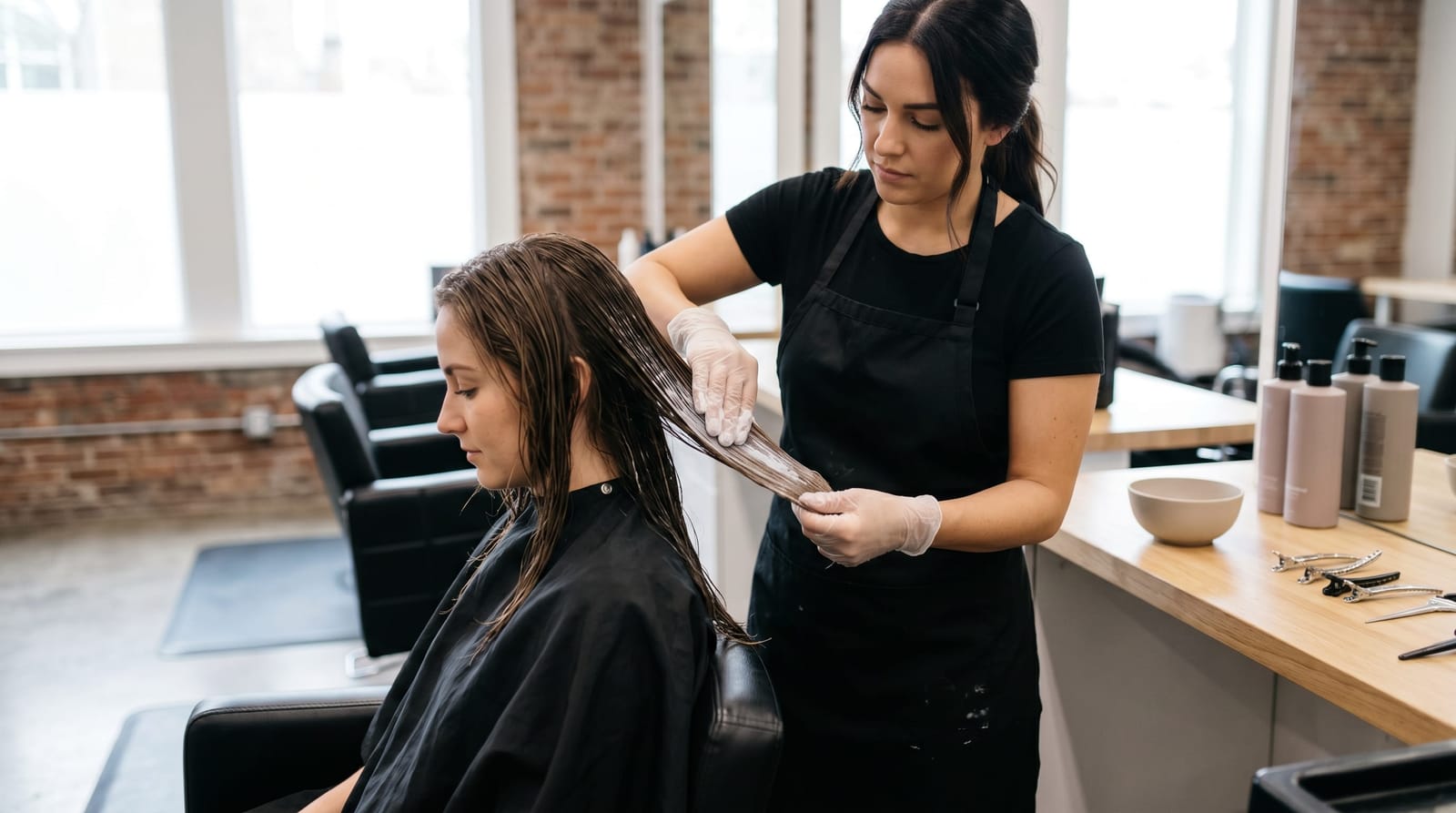
A professional deep conditioning treatment typically involves applying a rich formula to clean, towel-dried hair, then using a heat cap or steamer to open the cuticle and allow deep absorption. Processing time ranges from 20 to 45 minutes. The result is measurably improved elasticity, reduced breakage, and restored softness.
Who Needs Deep Conditioning?
Deep conditioning benefits almost everyone, but it is especially important for specific hair types and situations:
- Color-treated hair: Chemical coloring raises the cuticle and strips moisture. Regular deep conditioning restores hydration and protects color vibrancy.
- Heat-damaged hair: Repeated flat ironing and blow-drying dehydrates the strand and makes it brittle. Deep conditioning rebuilds moisture reserves.
- Naturally curly or coily hair: Curly hair is structurally drier than straight hair because scalp oils have a harder time traveling down the curl pattern. Deep conditioning is essential for maintaining elasticity and preventing breakage.
- Transitioning hair: Clients transitioning from relaxed to natural hair often deal with two different textures simultaneously. Deep conditioning strengthens the weakest points where old and new growth meet.
- Post-keratin maintenance: After a keratin smoothing treatment, deep conditioning treatments extend the life of the service and keep the hair in optimal condition.
Research published in the Journal of Cosmetic Science found that regular protein conditioning treatments reduced hair breakage by up to 40% over an eight-week period. That kind of measurable improvement is only achievable with consistent, professional-grade care.
Learn more about what deep conditioning can do for your specific hair concerns in our comprehensive guide on deep conditioning treatment salon services.
---Choosing the Right Treatment for Your Hair Type
One of the most common mistakes clients make is choosing the right treatment based on what they have seen advertised rather than what their hair actually needs. Selecting the wrong service can yield disappointing results, or in some cases, cause additional damage.
Here is a practical breakdown of which treatments work best for different hair profiles.
Fine or Fragile Hair
Fine hair has a smaller diameter strand and can be easily weighed down or over-processed. For fine hair, lighter keratin formulas are ideal. Heavy treatments designed for coarse hair can make fine hair look limp and greasy. Deep conditioning for fine hair should focus on protein-moisture balance: too much protein without adequate moisture causes brittleness.
Thick or Coarse Hair
Thick, coarse hair is often more resistant to treatment absorption. It requires stronger keratin formulas, longer processing times, and higher flat iron temperatures during sealing. The good news is that thick hair typically holds keratin treatments for longer: sometimes five to six months with proper aftercare. Deep conditioning for coarse hair should prioritize heavy moisturizing agents over lightweight proteins.
Curly and Coily Hair
Clients with Type 3 and Type 4 curl patterns have unique treatment needs. Keratin smoothing can soften the curl without fully straightening it, depending on the formula and application technique. Some clients want full straightening; others want frizz reduction while keeping their curl pattern. Communicating this clearly during your consultation is essential. Deep conditioning is non-negotiable for curly and coily hair types due to their structural moisture deficit.
Color-Treated and Chemically Processed Hair
Timing matters here. Keratin treatments should typically be applied either before coloring or at least two weeks after. Applying keratin immediately after color can cause color to fade prematurely, as the treatment seals the cuticle and alters how the hair holds pigment. Your stylist should coordinate a treatment schedule that protects both your color and your keratin results.
Damaged or Over-Processed Hair
Hair that has been severely damaged through bleaching, relaxers, or excessive heat styling needs a different approach. A deep conditioning or bond-building treatment should often come before keratin. Applyin